Air Intake
Carbon Canister
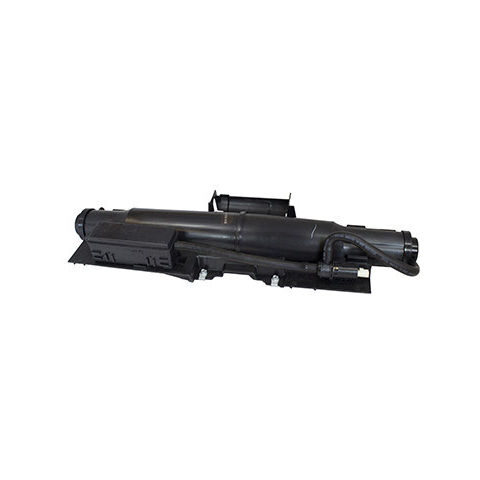
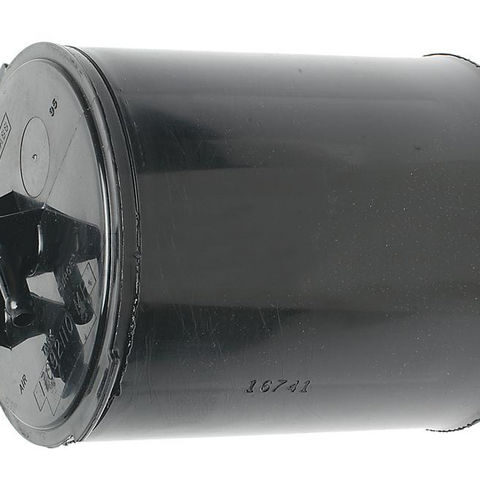
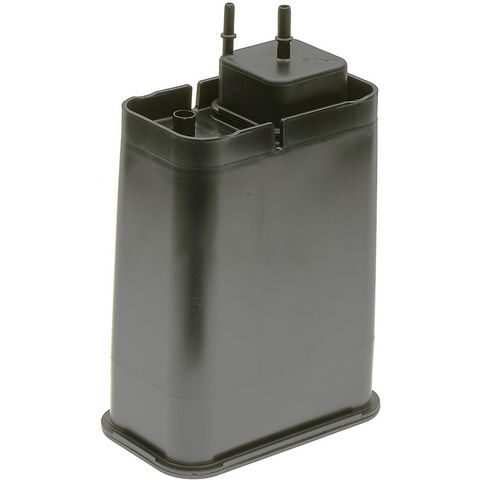
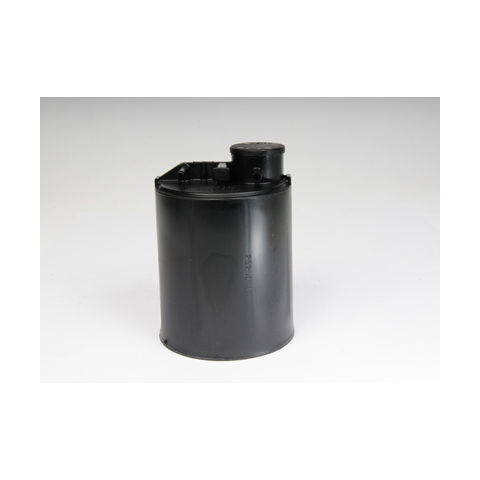
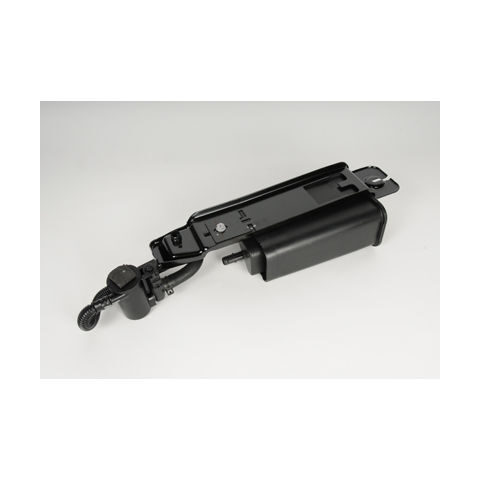
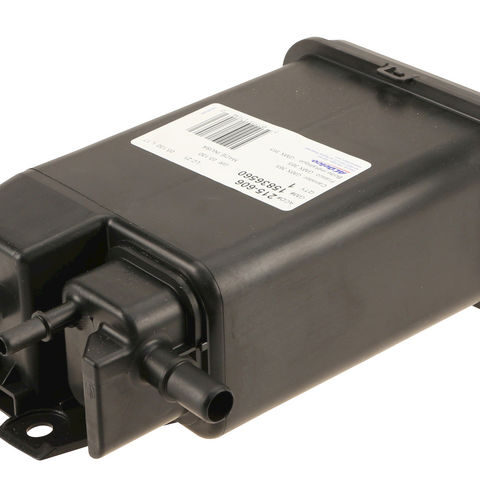
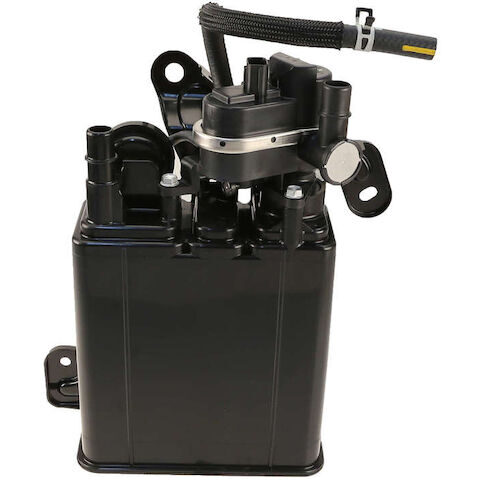
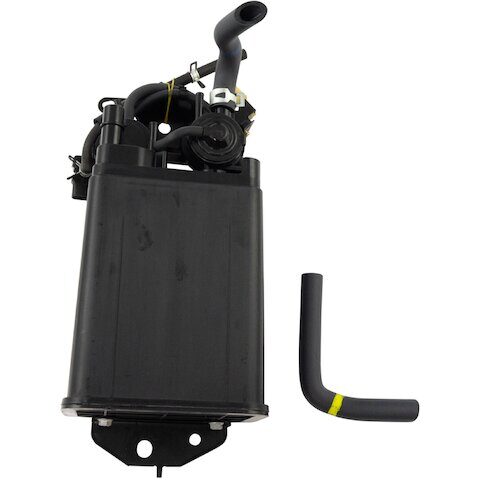
A carbon canister is the charcoal-filled container in the EVAP system that stores fuel vapor from the tank until the engine can burn it. We carry 35 carbon canisters from $62 to $426 for 1975-2020 vehicles, including AC Delco, Standard Motor Products and Dorman units for the Chevrolet Impala, Camaro, Tahoe and Toyota Camry.
Shop carbon canister by vehicle
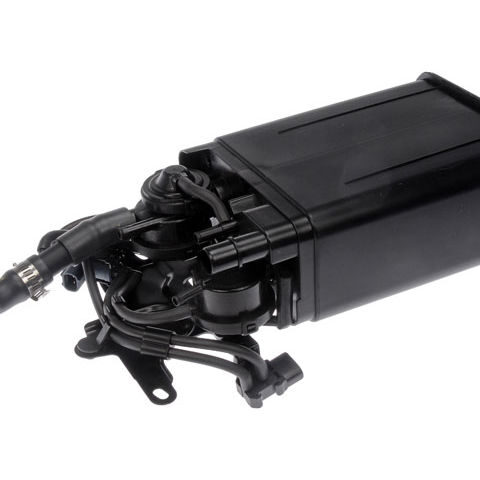
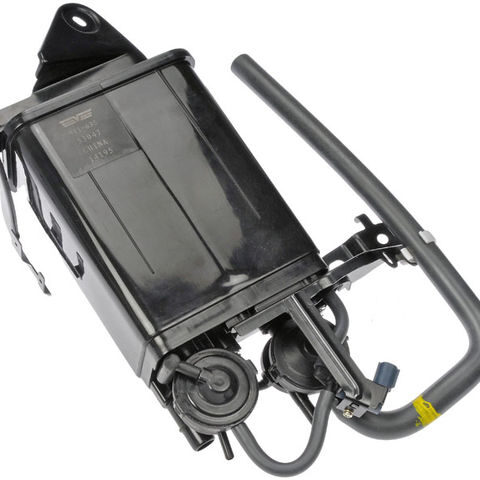
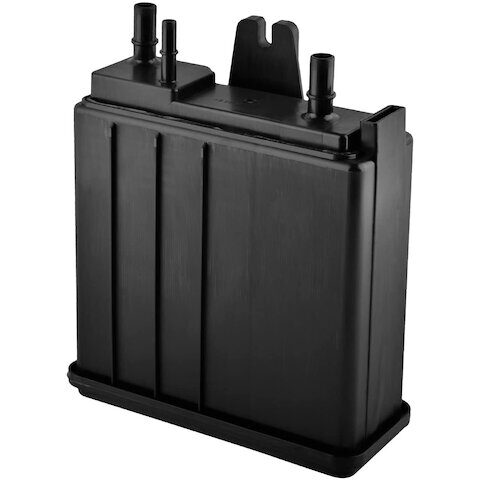
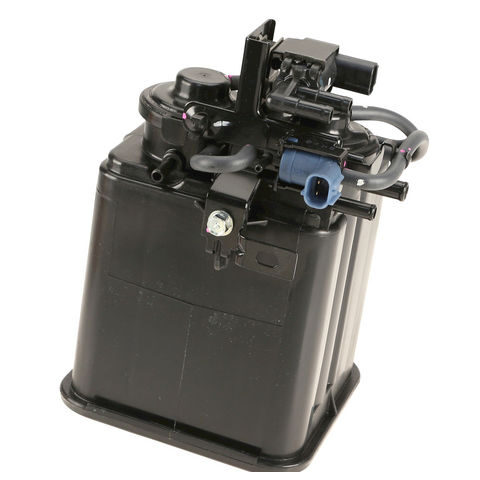
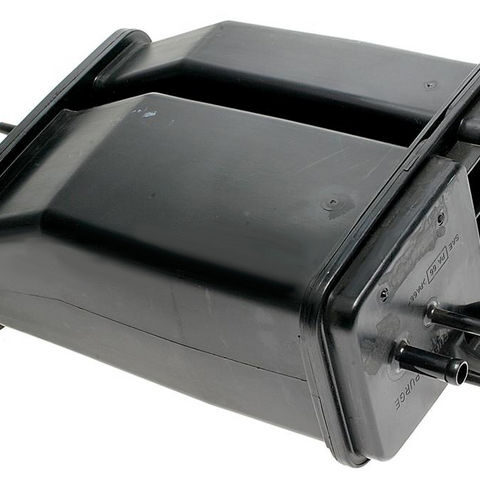
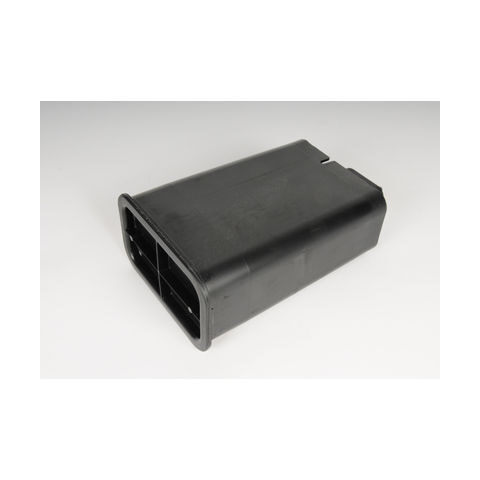
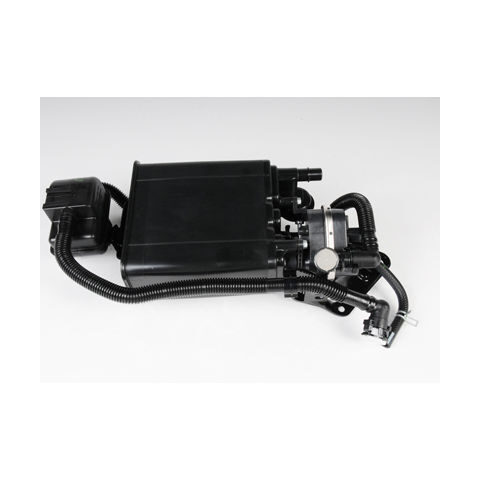
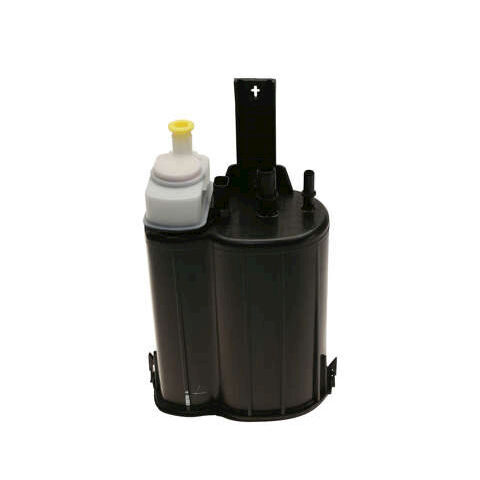
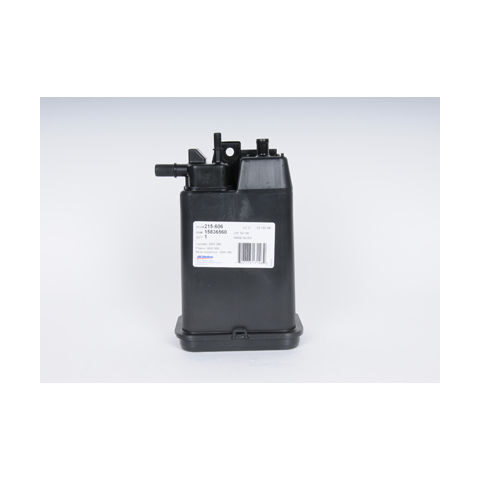
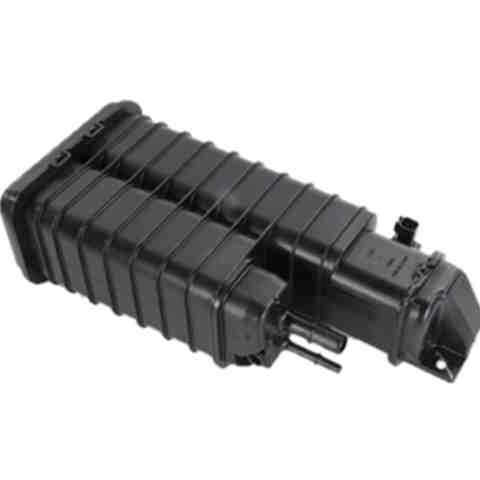
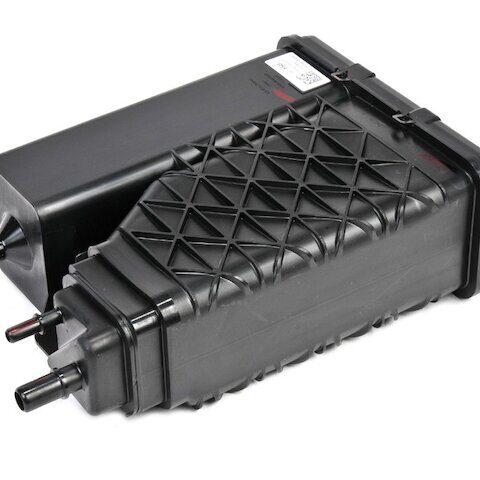
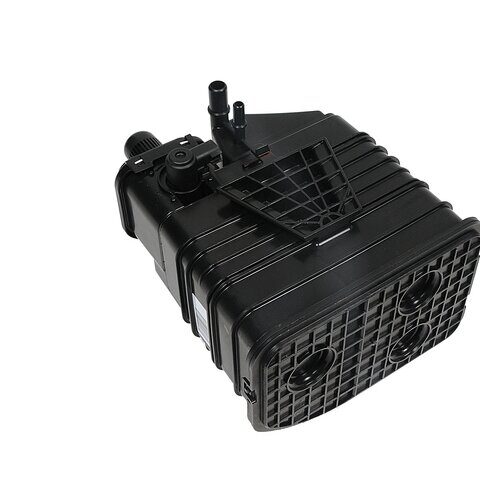
What the canister does
Gasoline gives off vapor as it sits in the tank. Instead of venting it to the air, the system routes it into the canister, where activated charcoal holds it. When the engine is running, the purge valve opens and the engine draws the stored vapor in and burns it. A vent valve lets fresh air in during purging. The canister works with these valves, the gas cap and the lines between them, so one bad part can set codes that point at the whole system.
Signs of a failing canister
The most common sign is a check engine light with an EVAP code. Others include a fuel smell near the rear of the vehicle, or a pump nozzle that keeps clicking off while you fill the tank, which can happen when the canister or vent path is blocked. A cracked canister or one saturated with liquid fuel, often from topping off after the pump stops, may need replacement. Test the purge and vent valves and the gas cap too, because they cause many of the same codes.
Choosing the correct unit
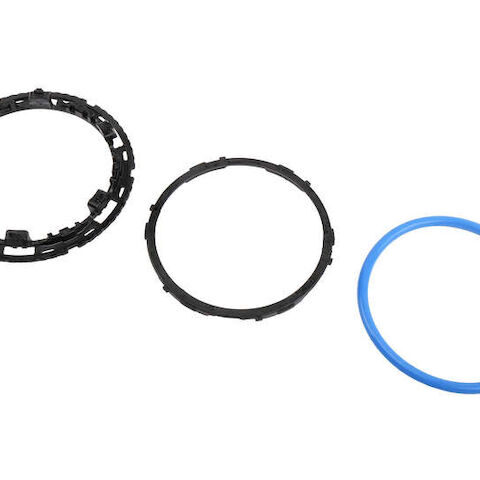
Canisters vary in size, shape and port layout. Lengths in this category run from 7 in to more than 19 in, so a unit that fits one engine may not fit another on the same model. Select your year, make and model, then check the fitment notes for engine and fuel tank size. Compare the part number on your old canister with the listing. Mounting hardware is not included with the units that list it, so plan to reuse your brackets and clamps.
Carbon Canister questions
Can a bad charcoal canister cause trouble filling the gas tank?
Yes. If the canister is clogged or the vent side is blocked, air cannot escape as fuel goes in, so the pump nozzle keeps shutting off. A stuck vent valve can cause the same symptom, so check it before replacing the canister.
Does topping off the tank damage the carbon canister?
It can. Adding fuel after the pump clicks off can push liquid gasoline into the canister, which the charcoal is not designed to hold. Over time this can saturate the charcoal and lead to EVAP codes or a fuel smell.
Do I need to clear codes after replacing the canister?
Clear the codes with a scan tool or let the system run its own self-tests over several drive cycles. EVAP monitors can take a few days of normal driving to complete, so the readiness status may show incomplete for a while.