Department
Climate Control
Climate control parts keep your cabin warm in winter and cool in summer. This department lists 766 heating and AC parts from $3 to $1217 for vehicles built from 1963-2023. Pick your year, make and model to see the compressors, blower motors, heater cores and control parts that fit.
Part types
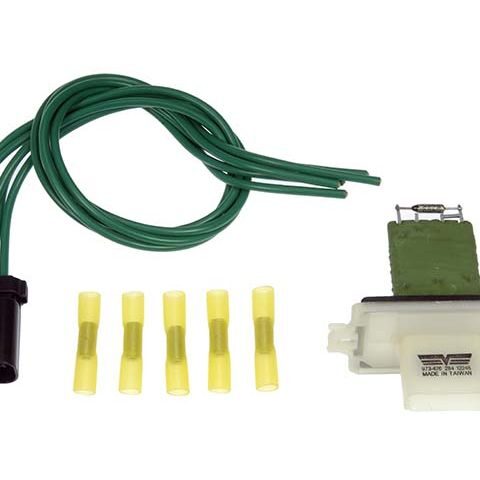
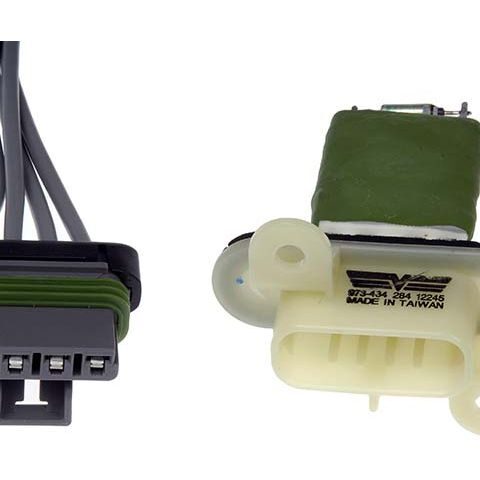
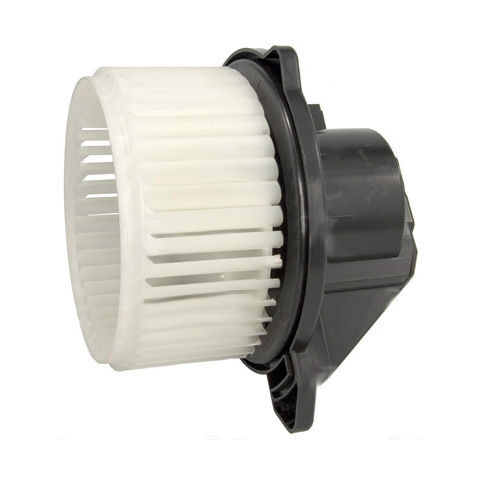
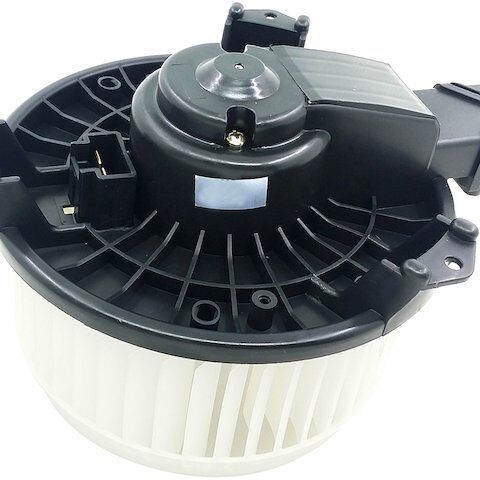
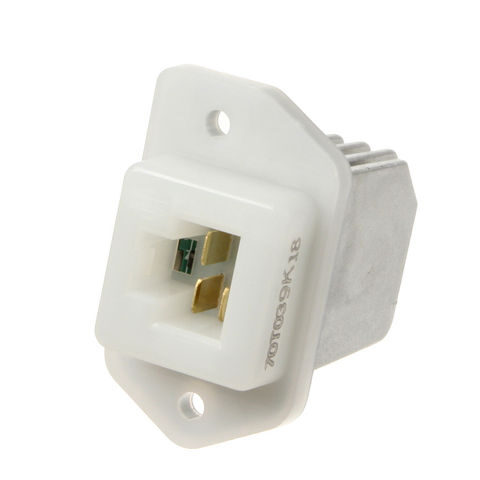
Standard Motor Products Blower Motor Resistor RU-440 for Ford F150
Fits 2005–2008 models
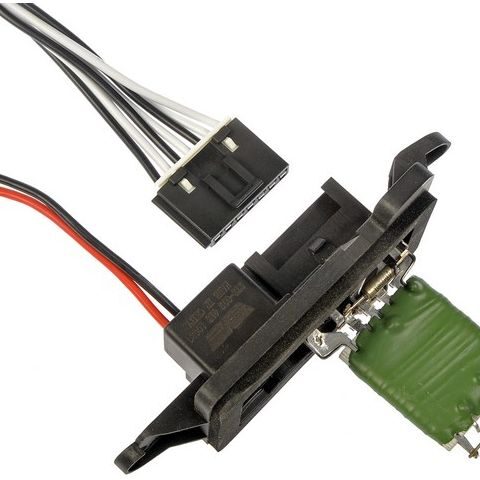
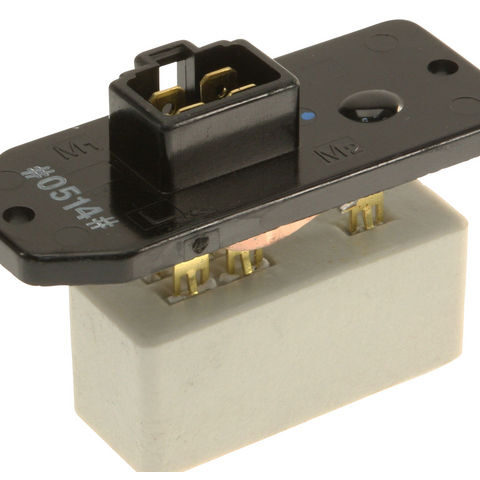
Dorman Front HVAC Blower Motor Resistor Kit 973-405 for Chevrolet Silverado 1500
Fits 2003–2006 models
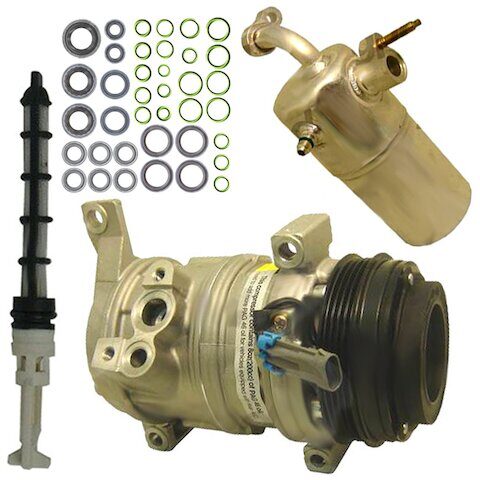
Dorman Front HVAC Blower Motor Resistor Kit 973-405 for Chevrolet Tahoe
Fits 2003–2005 models
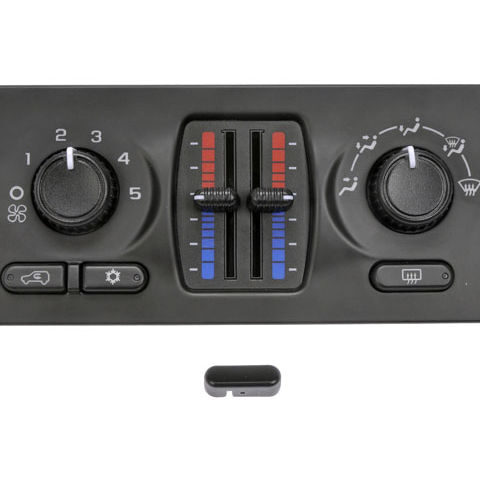
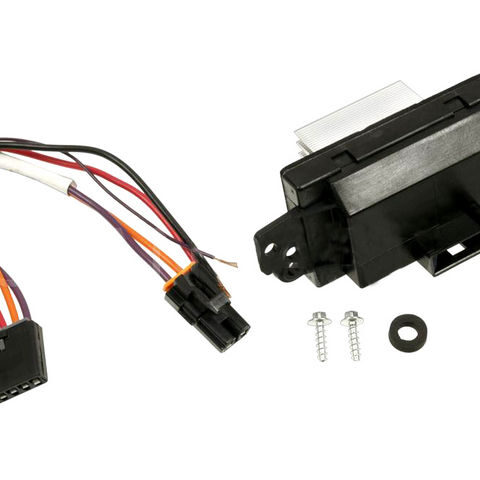
Standard Motor Products Front Blower Motor Resistor RU-631 for Chevrolet Silverado 1500
Fits 2007 models
Standard Motor Products Front Blower Motor Resistor RU-631 for Chevrolet Tahoe
Fits 2003–2006 models
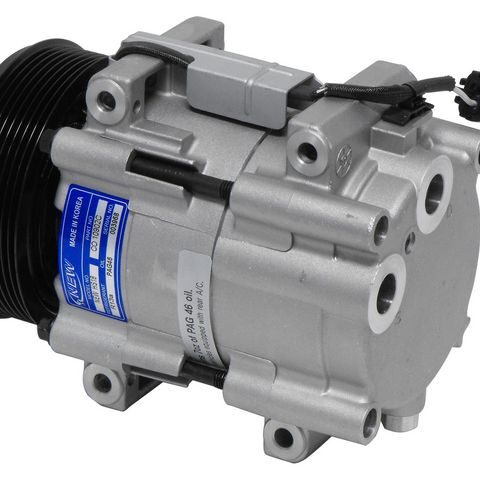
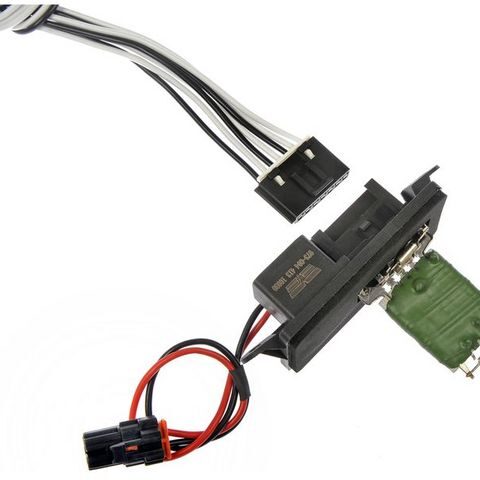
Dorman Front HVAC Blower Motor Resistor Kit 973-409 for Chevrolet Silverado 1500
Fits 2006 models
Heating and AC parts covered
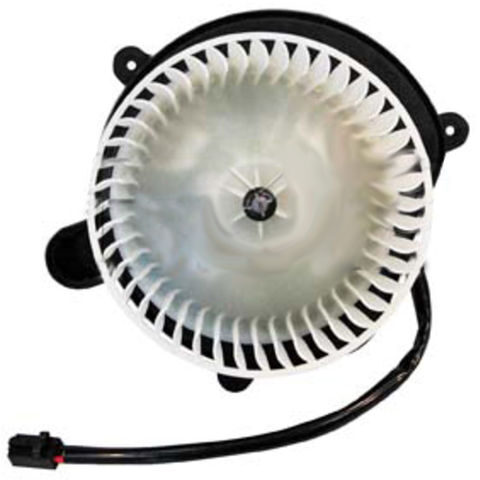
AC compressors and blower motor resistors are the two largest groups, with 145 listings each, followed by 119 blower motors. The AC side also includes receiver driers, expansion valves, evaporators, condensers and AC hoses. For heating there are heater cores, heater hoses and heater valves, plus HVAC control modules and heater control panels. Brands include AC Delco, GPD, UAC, Motorcraft, Four Seasons and Dorman. Chevrolet and Ford lead the coverage, with trucks and SUVs such as the Silverado 1500, F150, Expedition and Explorer well represented.
Common symptoms and causes
If the blower works only on the highest setting, a failed blower motor resistor is a common cause. A blower that squeals, rattles or does not run at all may need a new motor. AC that blows warm can come from low refrigerant due to a leak, a failed compressor or clutch, or a blocked condenser. A sweet smell in the cabin, a damp passenger floor or a fogged windshield can point to a leaking heater core. No heat with a normal engine temperature can mean a stuck heater valve or a blocked core.
AC repair advice
AC systems are sealed and hold refrigerant under pressure. Federal rules prohibit venting refrigerant, so have the system recovered with proper equipment before you open it. When you replace a compressor, the usual practice is to replace the receiver drier or accumulator and the expansion valve or orifice tube at the same time, and to flush the lines. Check which refrigerant your vehicle uses on the label under the hood, and use the oil type and amount the compressor instructions call for.
Climate Control questions
Why does my blower only work on high?
On many vehicles, the high setting bypasses the blower motor resistor while the lower speeds run through it. When the resistor fails, only high still works. A new resistor usually fixes it, but check the connector for heat damage, since a burnt plug should be replaced too.
Should I replace the receiver drier with a new AC compressor?
Yes, it is standard practice. The drier absorbs moisture and traps debris, and once the system has been opened it may be saturated. Many compressor instructions call for a new drier or accumulator, so read the listing and the included paperwork before you install.
How do I know if my heater core is leaking?
Common signs are a sweet coolant smell in the cabin, a greasy film on the inside of the windshield, wet carpet on the passenger side and coolant loss with no visible leak under the hood. A cooling system pressure test can confirm it before you start the job.