Body Electrical
Battery Cable
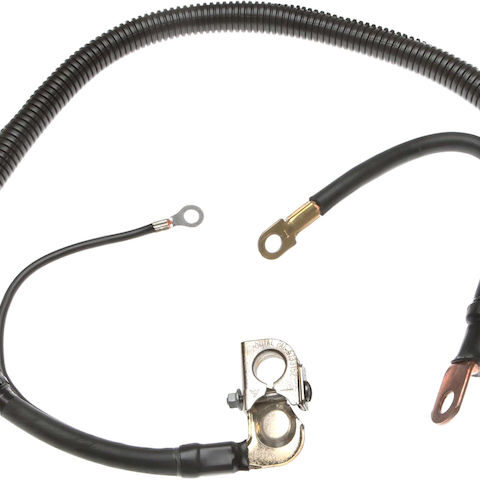
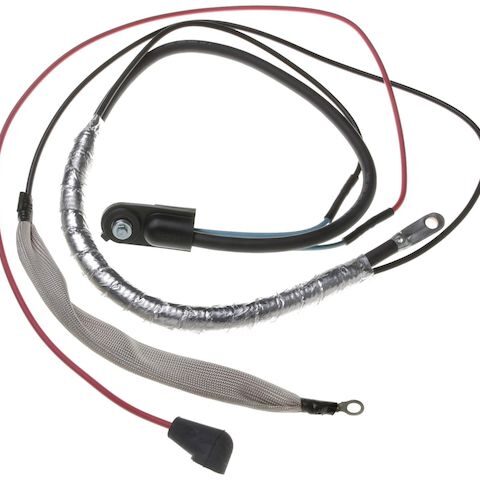
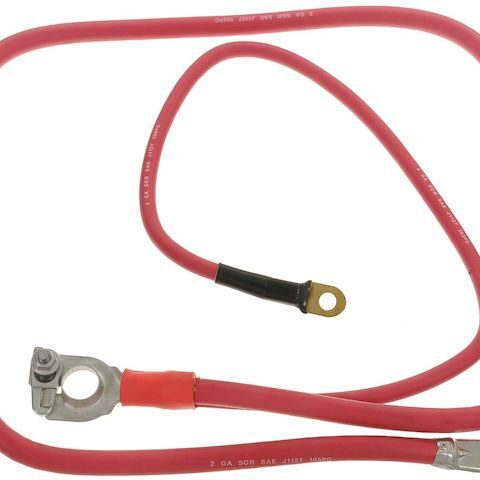
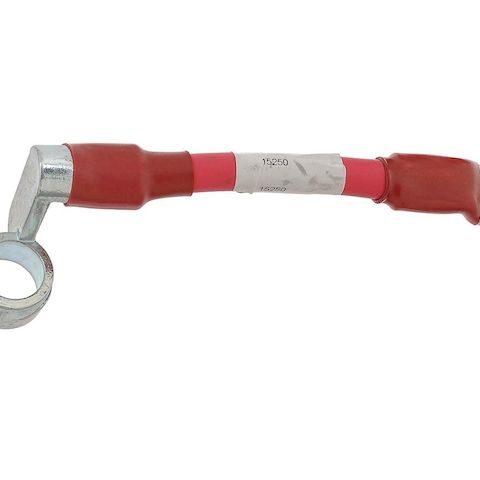
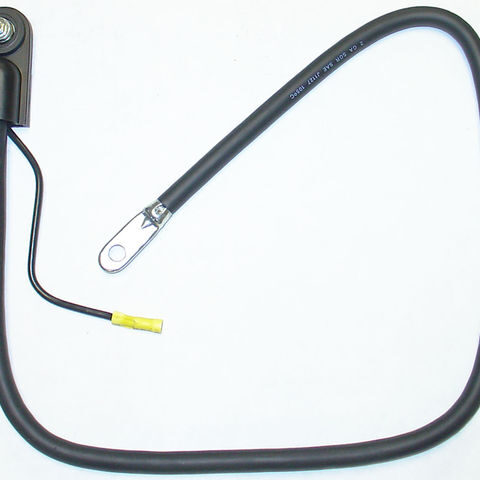
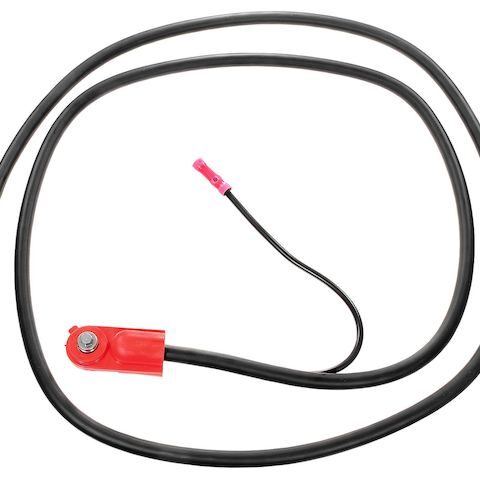
Battery cables carry current from the battery to the starter, the electrical system and the ground. We list 104 battery cables from $9 to $350 for 1963-2019 vehicles. Standard Motor Products and AC Delco make most of them, with strong coverage for Chevrolet and Ford models such as the F150, Impala, Tahoe and Silverado 1500.
Shop battery cable by vehicle
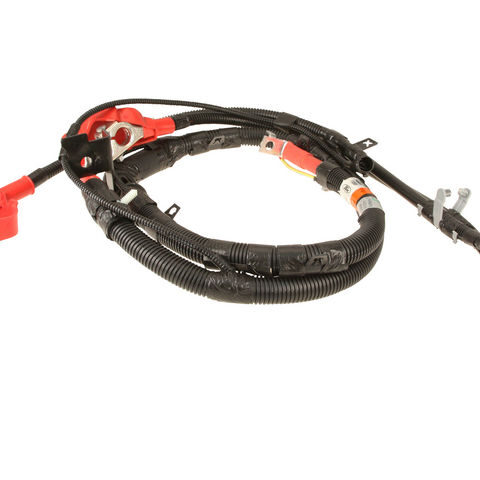
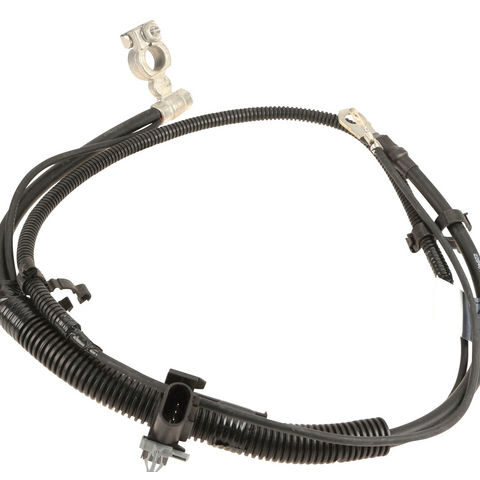
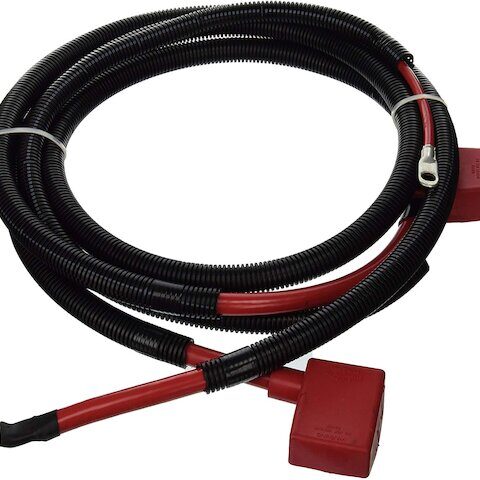
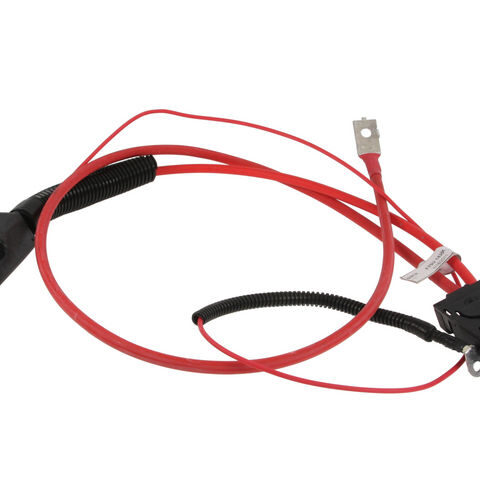
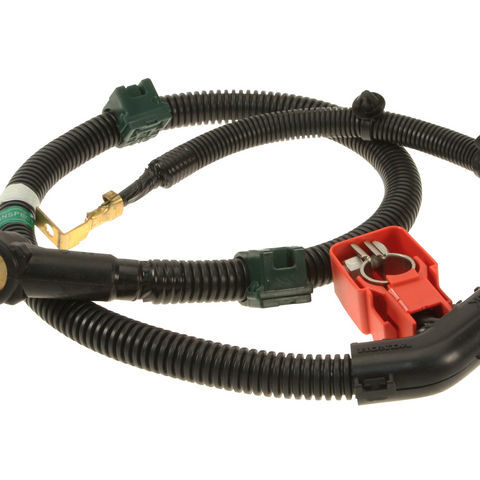
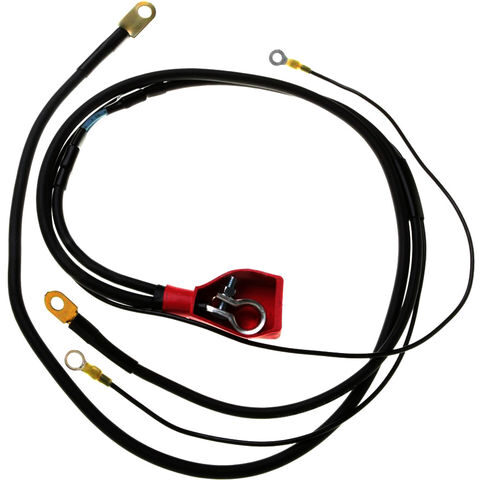
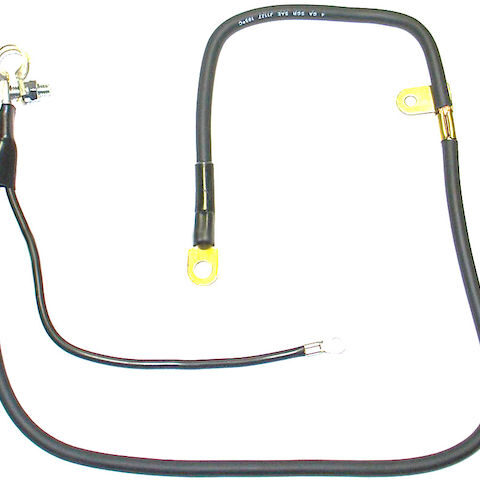
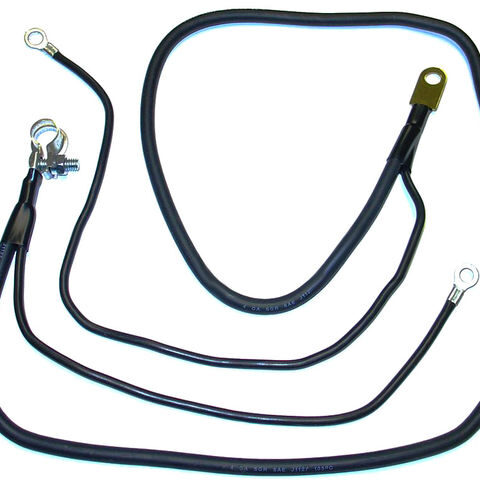
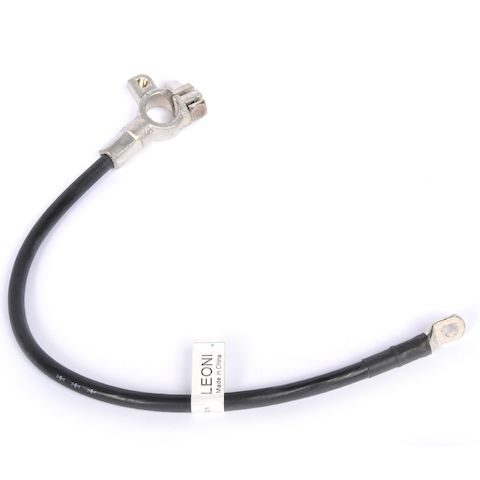
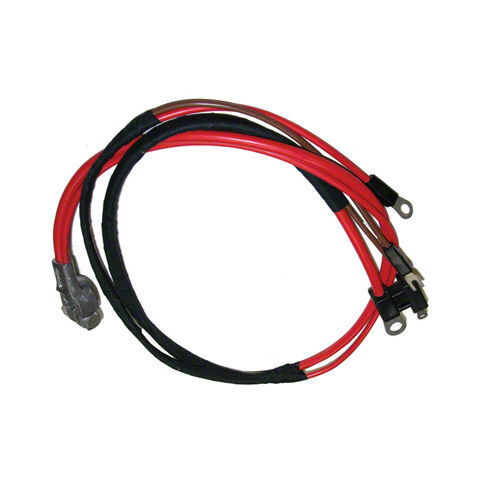
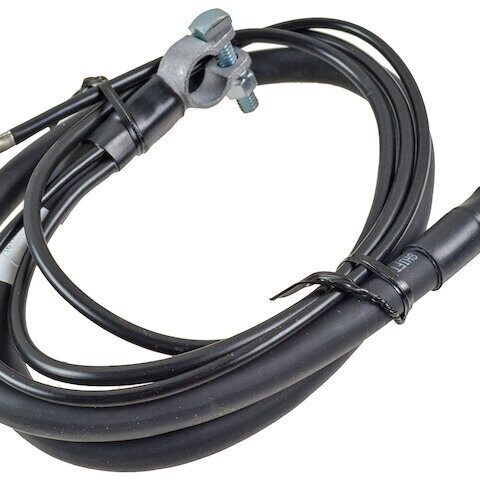
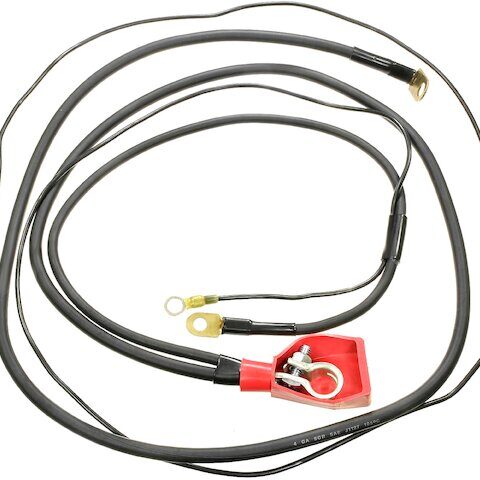
Signs a cable is failing
Battery cables can corrode inside the insulation where you cannot see it. Heat and vibration also crack terminals and loosen crimps.
Watch for slow or no cranking with a good battery, clicking when you turn the key, flickering lights, and terminals that get hot after starting. Green or white corrosion at the ends, swollen insulation or a cable that feels stiff are visible signs. A voltage drop test across each cable while cranking is the best way to find a bad one.
Positive, negative and routing
Positive cables run from the battery to the starter, and often feed the fuse box too. Negative cables connect the battery to the engine block or body. Our listings name positive, negative and left positions.
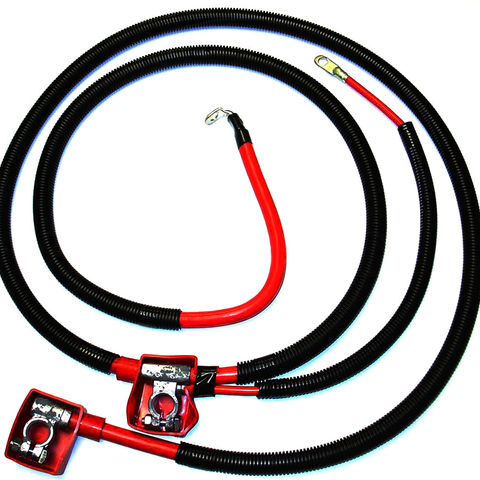
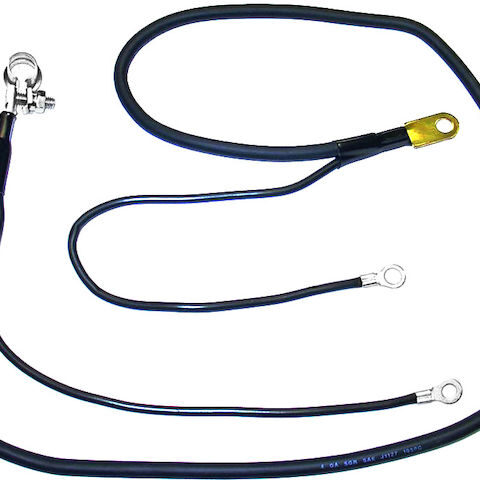
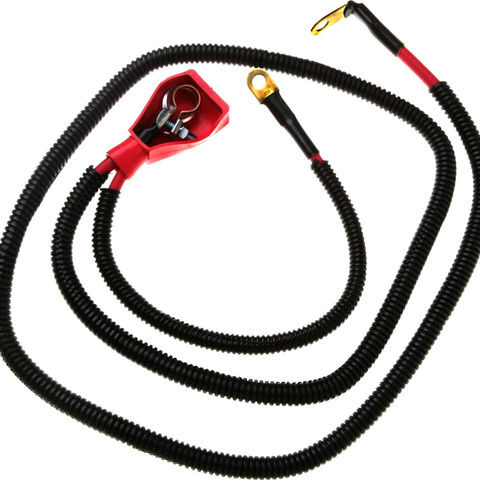
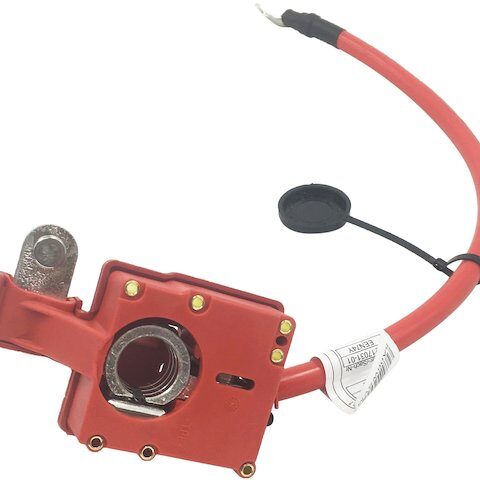
Match the length, terminal type and any branch leads. Some cables are a simple single run, while others have extra leads for the alternator or fuse box. Compare your old cable before ordering.
Install tips
Always disconnect the negative cable first and reconnect it last. This prevents sparks if your wrench touches the body while on the positive terminal.
Read the fitment table for engine and battery location. Clean the battery posts and the ground point to bare metal, then coat the terminals with a light protective spray or grease. Route the cable away from hot exhaust parts and secure it in the factory clips.
Battery Cable questions
Can a bad battery cable cause a no start?
Yes. A corroded or loose cable can stop the starter from getting enough current, causing a click or no crank even with a charged battery.
Should I replace both battery cables at once?
If both are the same age and show corrosion, replacing both is sensible. If only one fails a voltage drop test, replacing that one is fine.
Which battery terminal do I disconnect first?
Disconnect the negative terminal first and reconnect it last. This lowers the chance of a short while you work.