Body Mechanical & Trim
Bumper Absorber
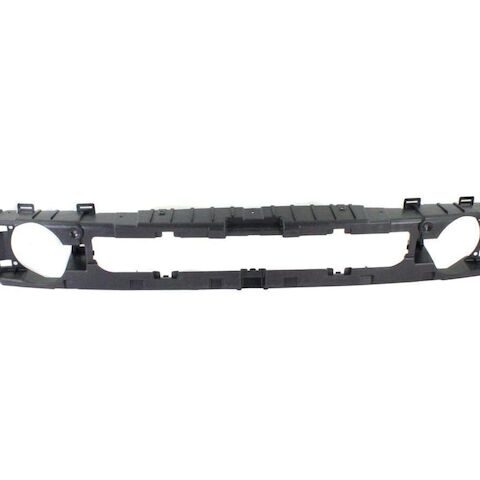
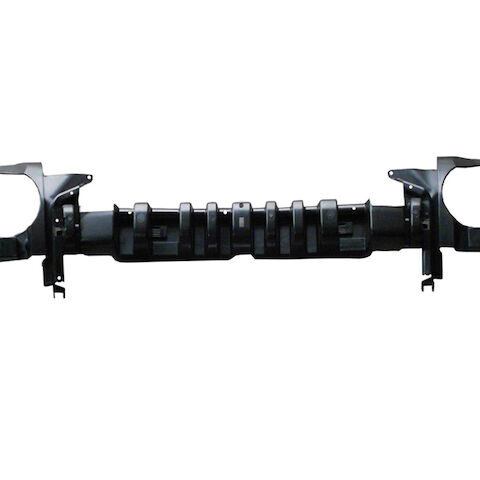
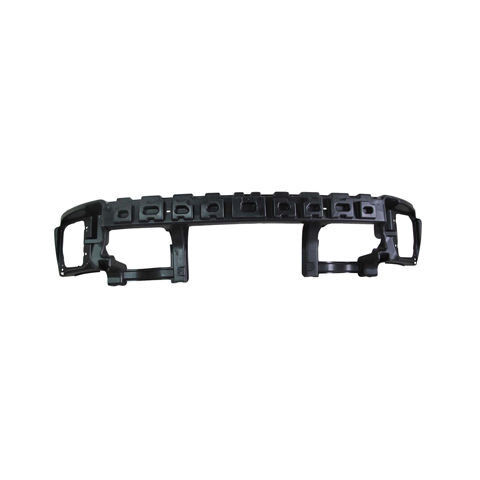
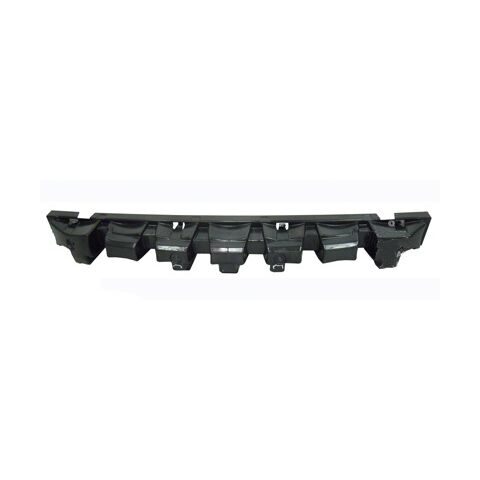
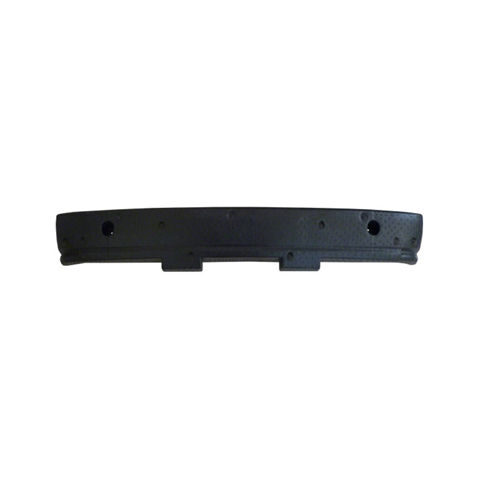
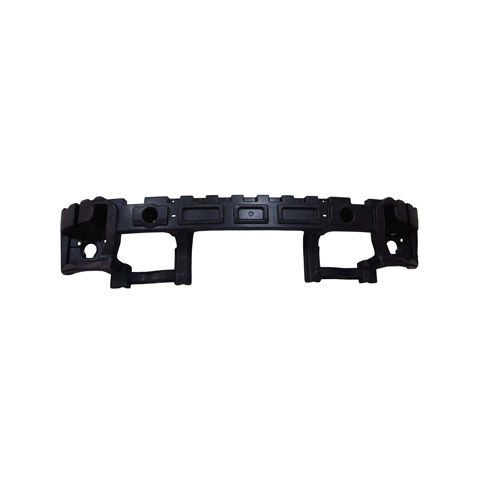
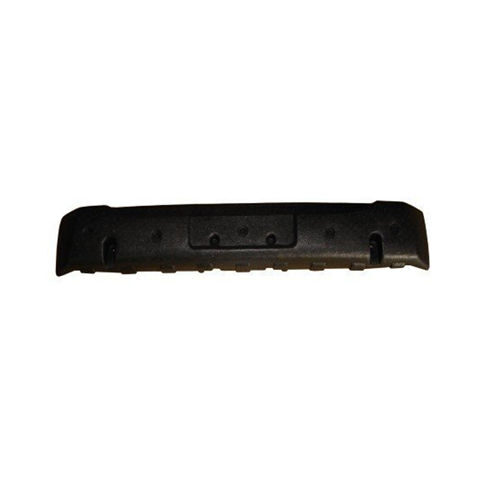
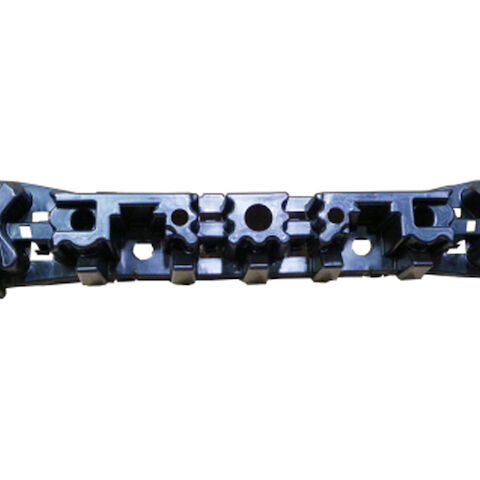
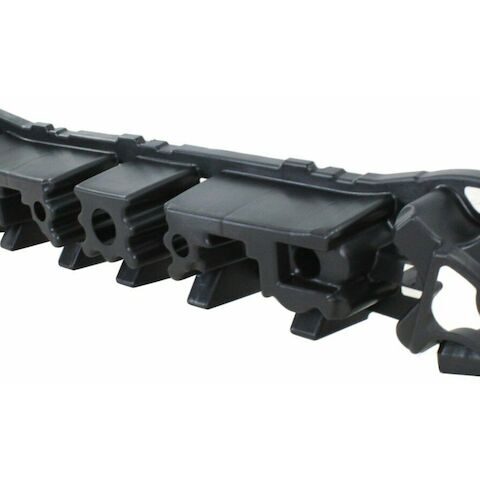
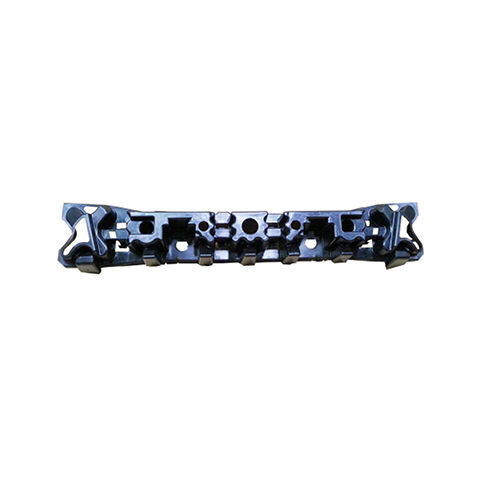
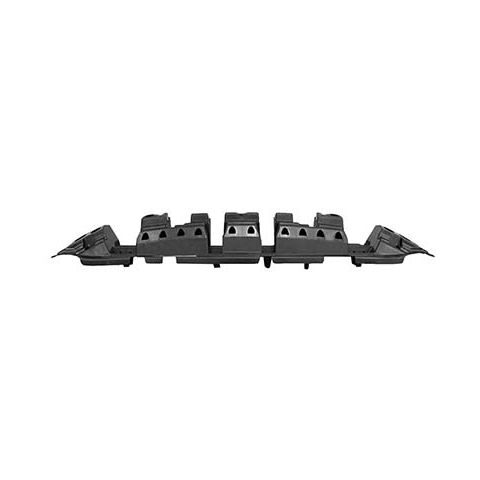
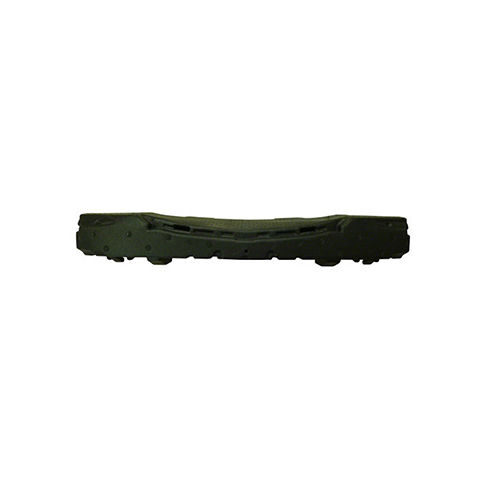
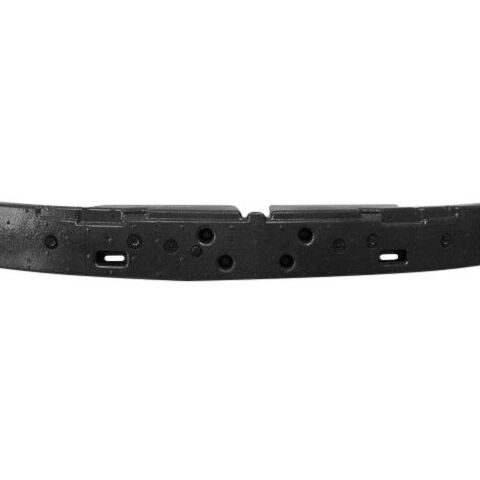
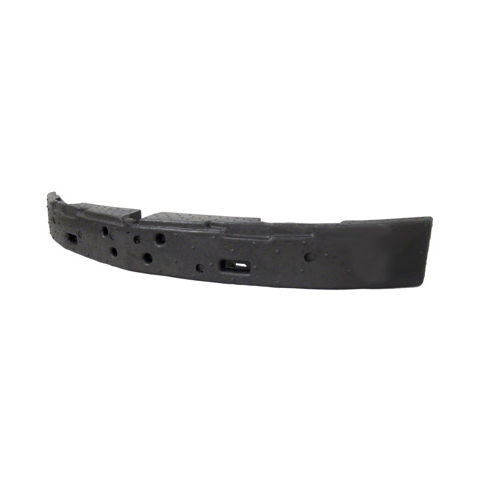
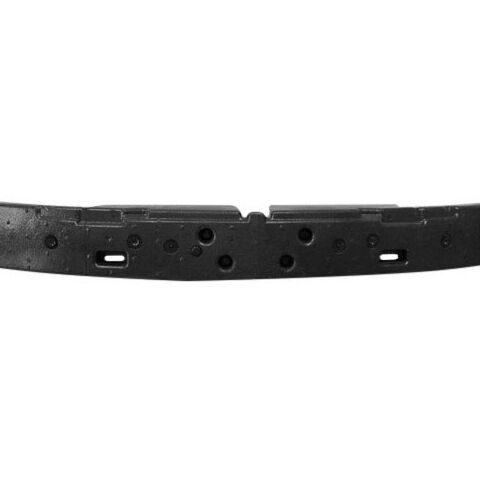
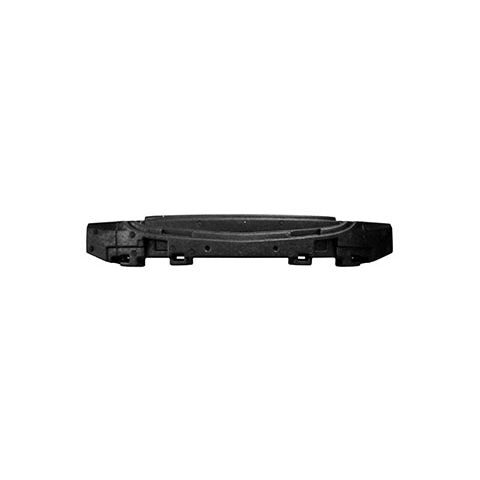
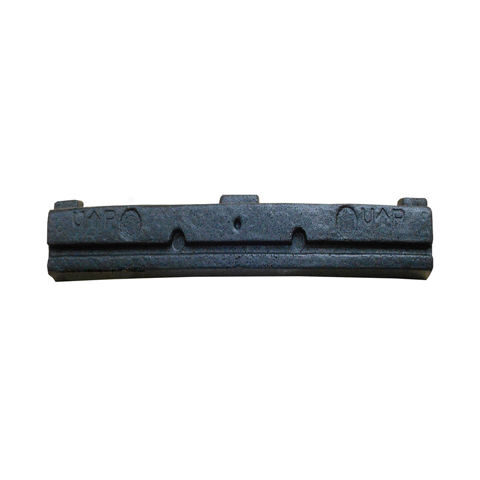
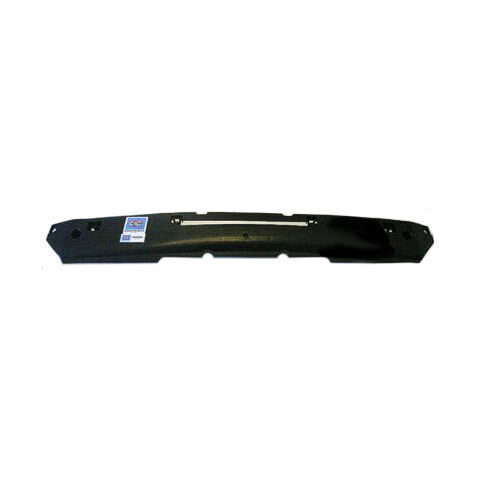
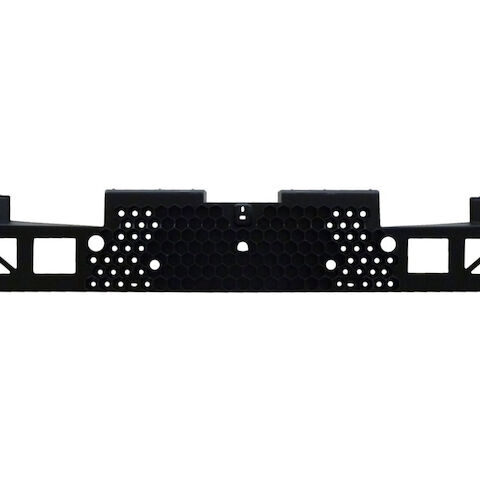
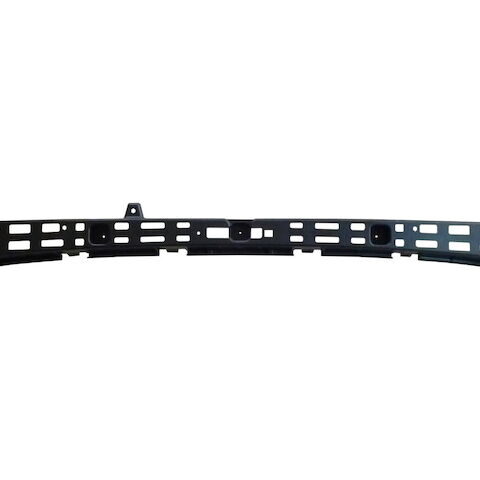
A bumper absorber is the foam or plastic energy absorber that sits between the bumper cover and the reinforcement bar. We list 32 bumper absorbers from $24 to $224 for 1998-2019 vehicles. Action Crash makes nearly all of them, with the most options for the Honda Accord, Ford Focus and Buick LaCrosse.
Shop bumper absorber by vehicle
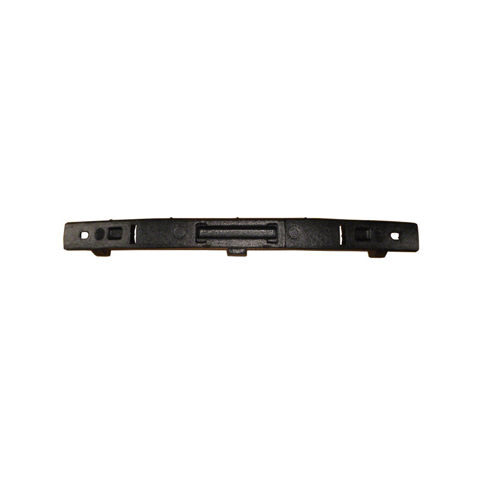
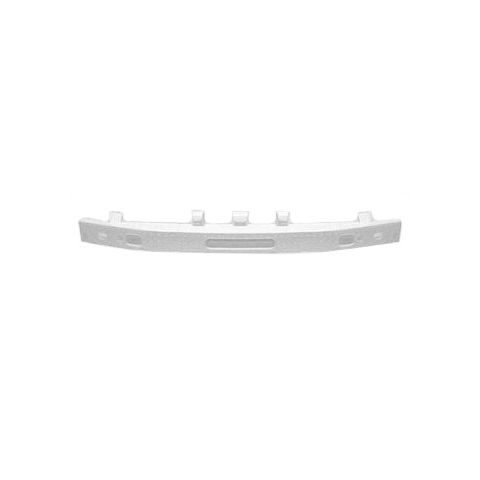
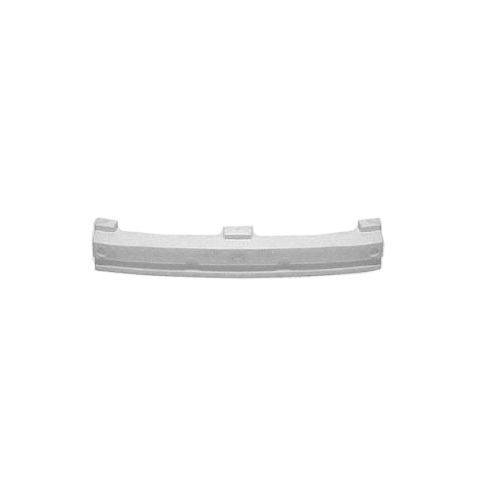
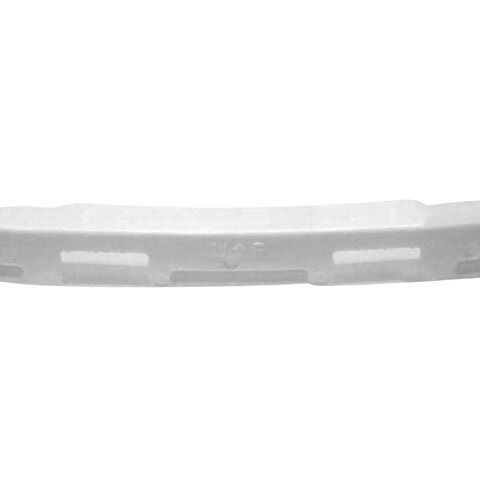
What the absorber does
In a low speed impact, the absorber crushes to soak up energy before it reaches the reinforcement bar and the body. It also supports the bumper cover so it keeps its shape.
Foam absorbers can crack, compress permanently or break apart after even a minor hit. Many collision repairs call for replacing the absorber, since a damaged one will not absorb energy the same way in a second impact. Check it any time you remove the bumper cover after a collision.
Front, rear and lower
Absorbers are listed by position: front, rear and front lower. A vehicle may use a different absorber depending on trim, bumper style or sensor options such as parking sensors.
Compare the shape, length and mounting tabs with your damaged part. Check that the new absorber clears any wiring, sensors or tow hook openings in your bumper.
Fitment and install
Use the vehicle selector and read the fitment table for body style and trim. Sedans and coupes, or base and sport trims, can use different bumpers.
The bumper cover usually has to come off to replace the absorber. Inspect the reinforcement bar and brackets while it is apart, since they often take damage in the same impact. Some absorbers clip on and others are held by push pins.
Bumper Absorber questions
Do I need to replace the bumper absorber after a minor accident?
If it is cracked, crushed or broken, yes. A damaged absorber will not protect the body the same way in another impact.
Is a bumper absorber the same as a bumper reinforcement?
No. The absorber is foam or plastic and sits in front of the reinforcement. The reinforcement is the metal bar bolted to the frame.
Can I reuse my old bumper absorber?
Only if it shows no cracks, dents or compression. Many repair guides call for replacing it after an impact.