Brake
Brake Booster
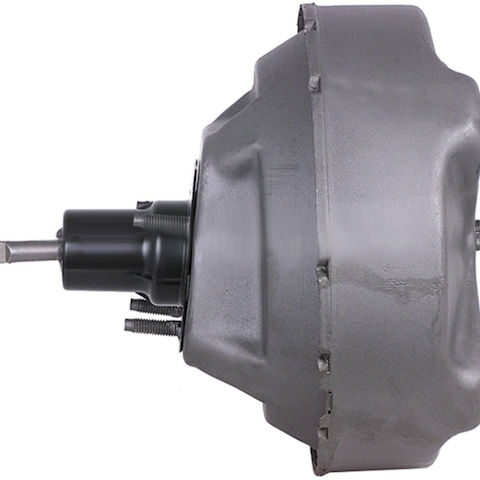
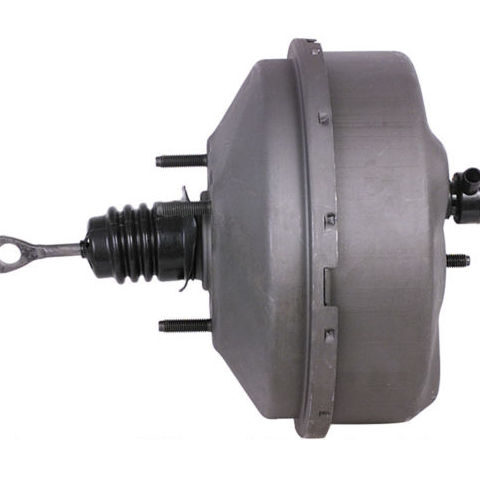
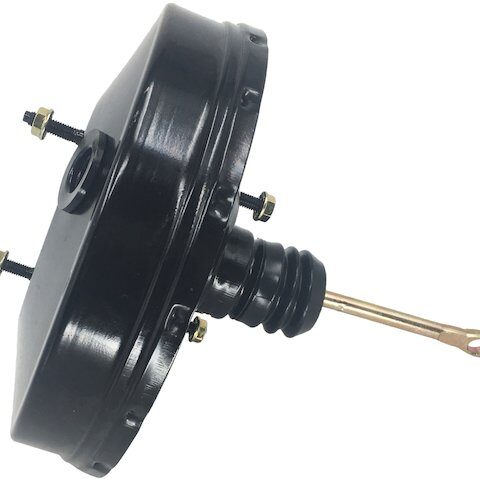
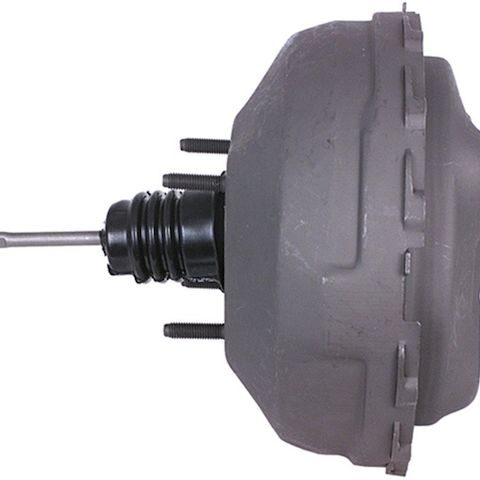
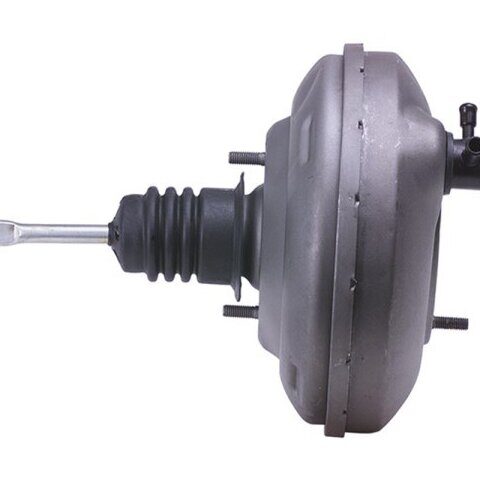
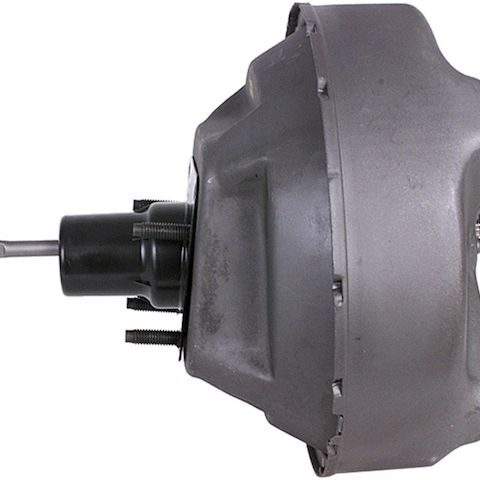
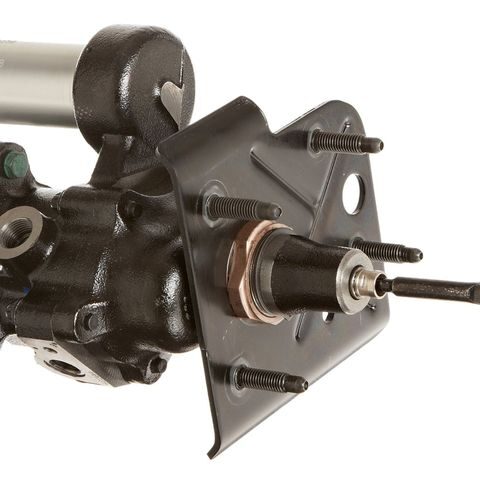
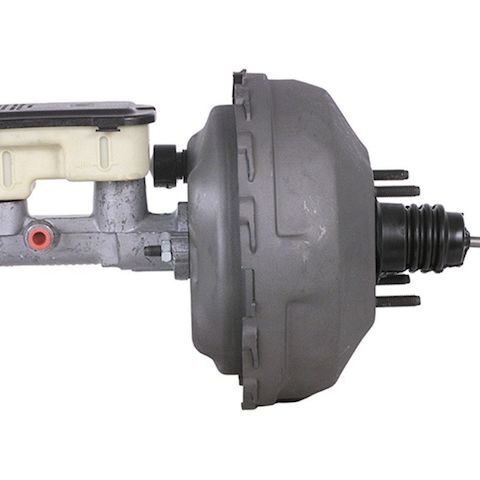
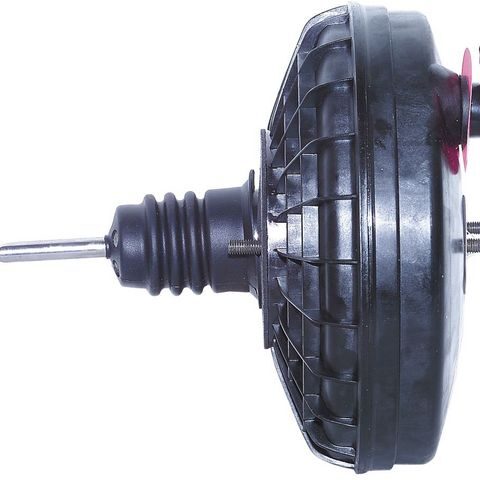
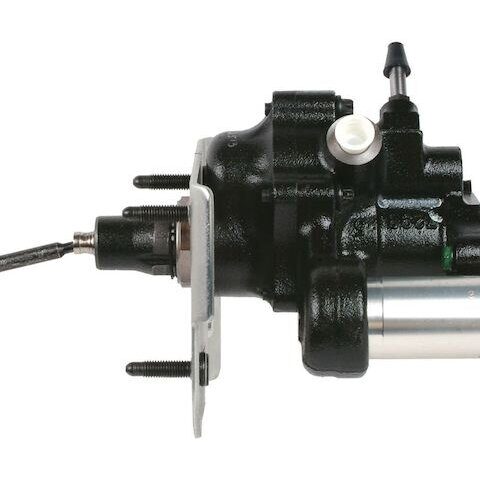
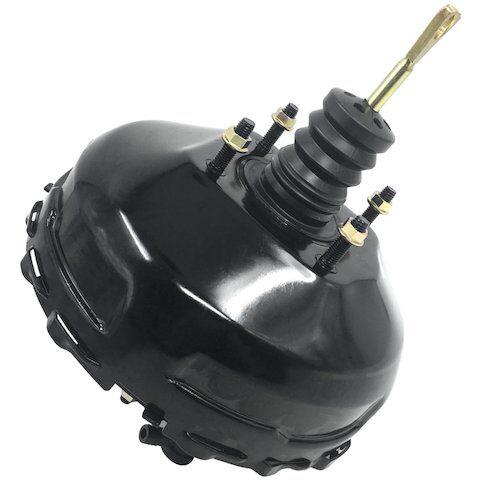
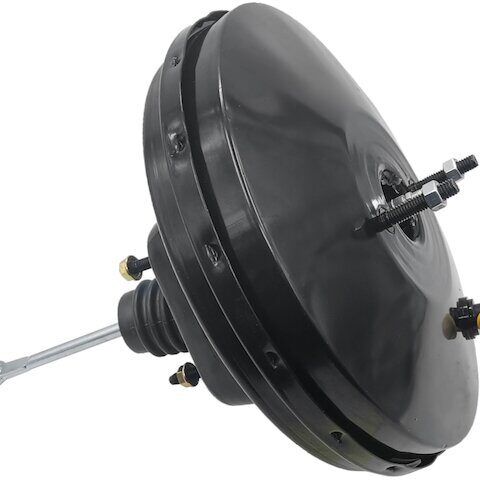
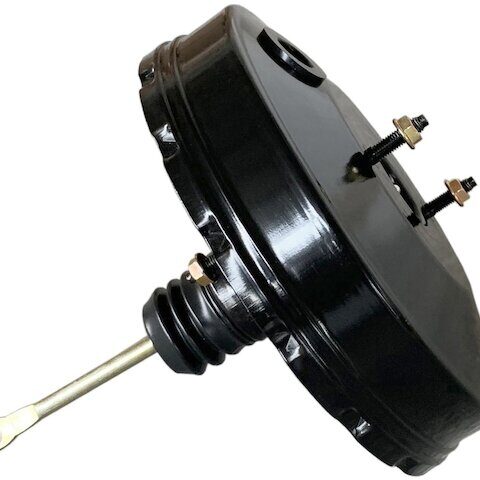
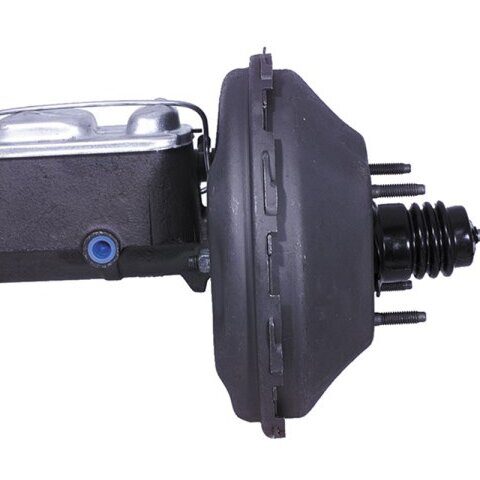
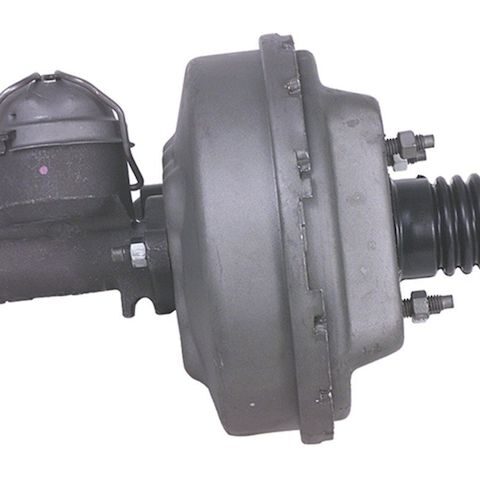
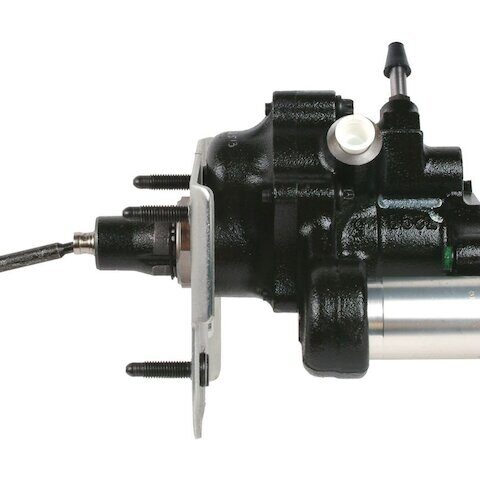
A brake booster multiplies the force from your foot so the brakes need less pedal effort. We carry 68 brake boosters from $59 to $575 for 1962-2021 vehicles, in vacuum and hydraulic designs. A1 Cardone makes about half, and Chevrolet leads the list with the Impala, Silverado 2500 HD, Equinox and S10, plus the Ford F150.
Shop brake booster by vehicle
Signs of a bad booster
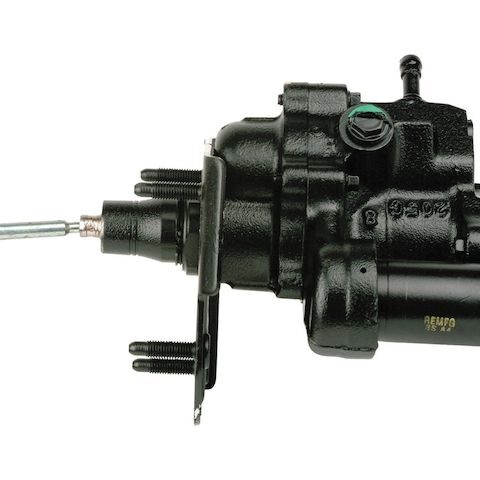
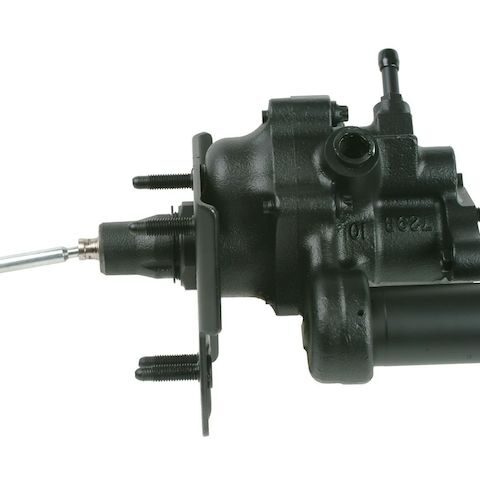
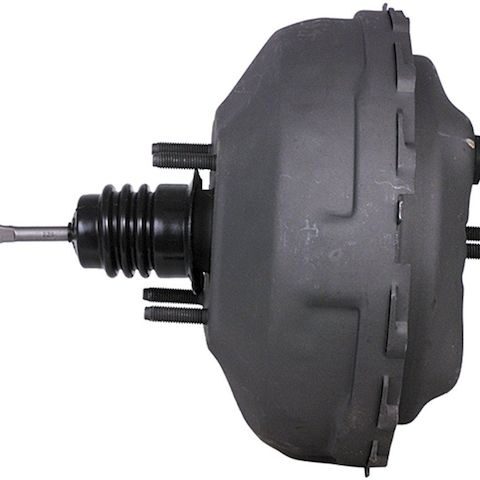
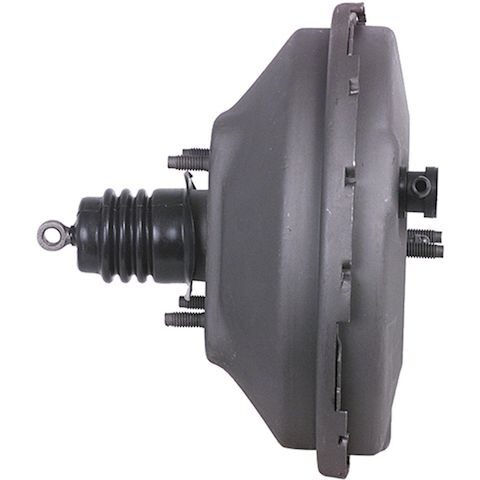
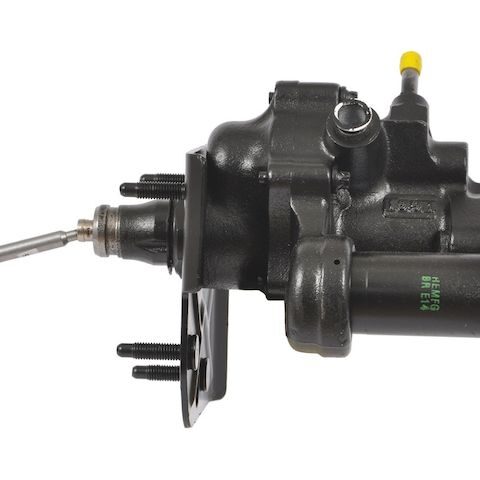
A vacuum booster uses engine vacuum on a diaphragm to help push the master cylinder. A hydraulic booster, common on diesel trucks and some heavy vehicles, uses pressure from the power steering pump instead.
A failing vacuum booster often causes a hard pedal, a hissing sound when you press the brake, and sometimes a rough idle from the vacuum leak. A failing hydraulic booster may cause a hard pedal, fluid leaks, or a pedal that feels jerky. Always check the vacuum hose and check valve first.
Choosing the right booster
Listings note the booster type, vacuum or hydraulic, and the diaphragm style, single or dual. Dual diaphragm boosters are used where more assist is needed in a small space.
Some boosters include the master cylinder, which saves time and reduces the risk of mixing old and new parts. Others are the booster alone, sometimes with a master cylinder neck seal or O-ring kit. A1 Cardone units are remanufactured. AC Delco, SKP, Prior and Centric are also listed.
Install and safety
Use the vehicle selector and read the fitment table for engine, brake system and ABS option. Diesel and gas versions of the same truck often use different boosters.
Check pushrod length per the instructions, since an incorrect setting can make the brakes drag or the pedal travel too far. If you remove the master cylinder lines, bleed the brakes afterward. Test the pedal at low speed in a safe area before normal driving.
Brake Booster questions
How do I test a vacuum brake booster?
With the engine off, pump the pedal several times. Hold it down and start the engine. The pedal should drop slightly. If it does not, the booster or vacuum supply may be faulty.
Can a bad brake booster cause a hissing noise?
Yes. A torn diaphragm or leaking seal lets air in, which often makes a hiss under the dash when you press the brake.
Do I need to bleed the brakes after replacing the booster?
If you open the brake lines or remove the master cylinder, yes. If the master cylinder stays connected and is only moved forward, bleeding may not be needed.