Brake
Master Cylinder
The brake master cylinder turns the push of your brake pedal into hydraulic pressure that reaches every caliper and wheel cylinder. Our 30 master cylinders range from $32 to $1322 and come from AC Delco, Centric, Dorman, A1 Cardone and Raybestos, with fitments from 1949 through 2015.
Shop master cylinder by vehicle
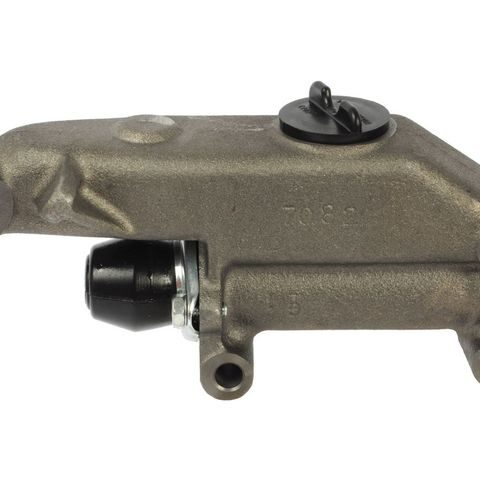
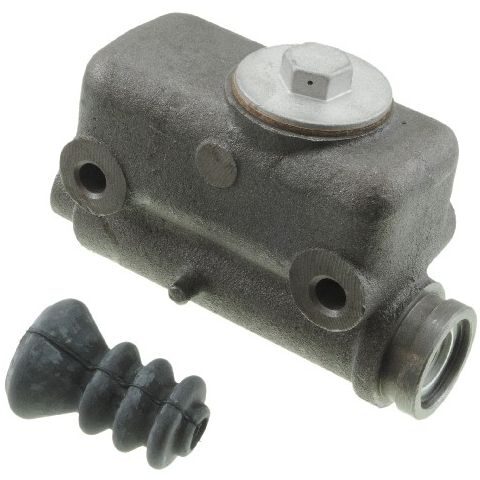
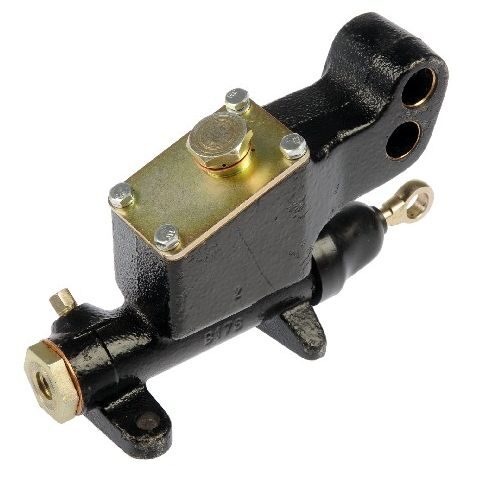
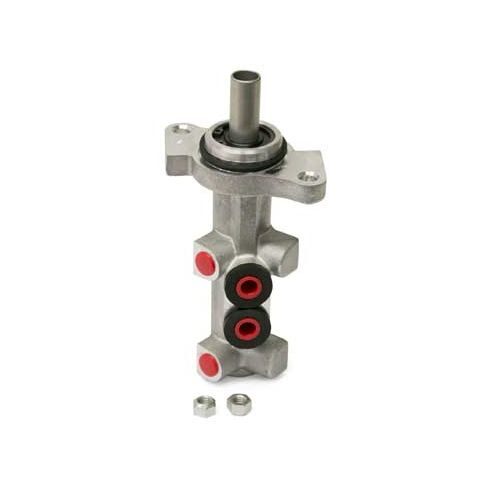
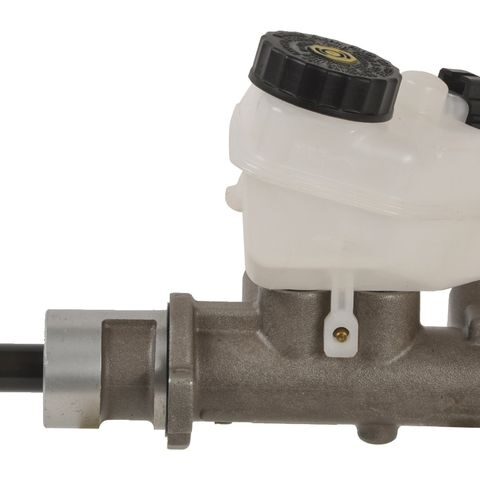
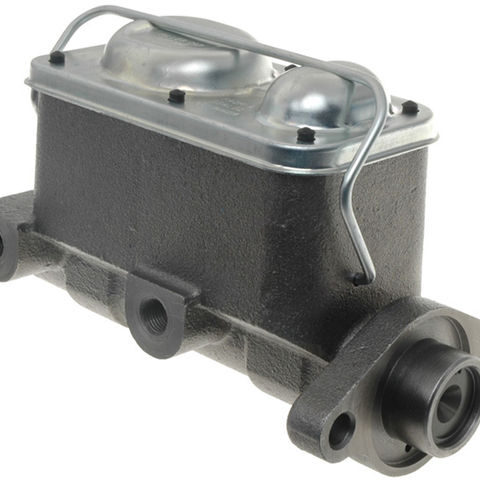
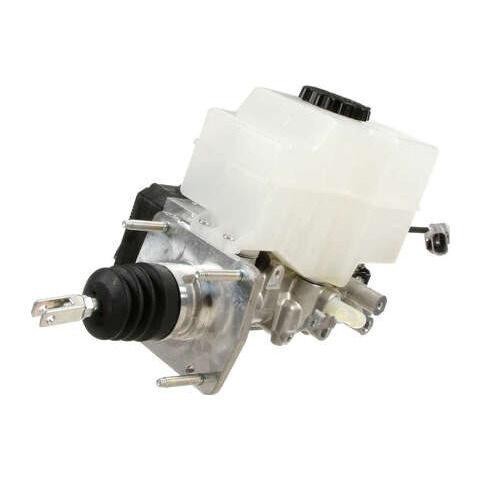
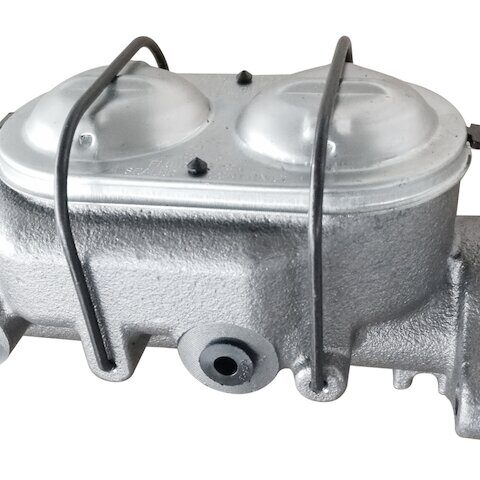
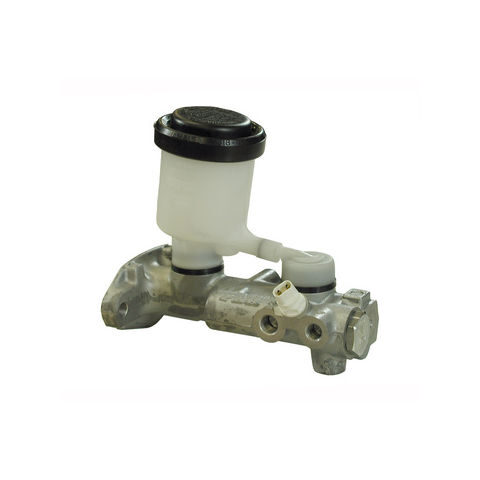
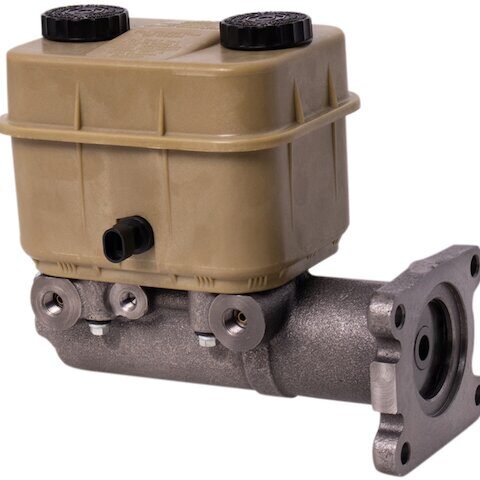
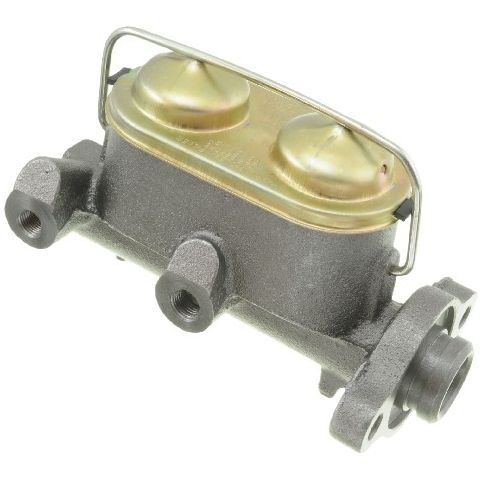
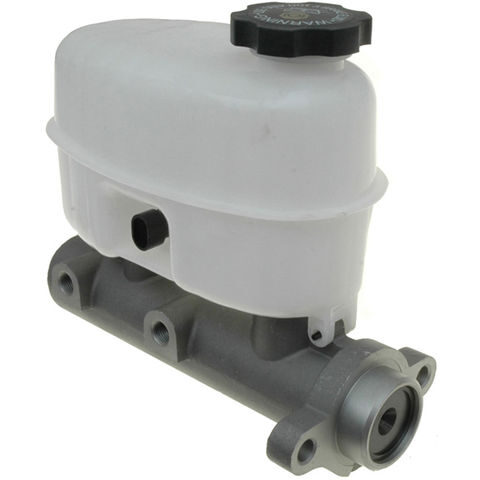
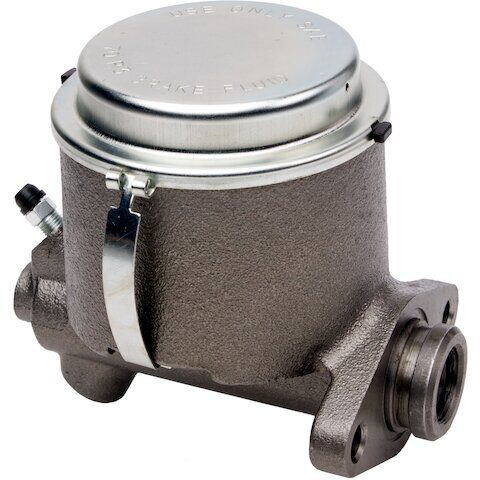
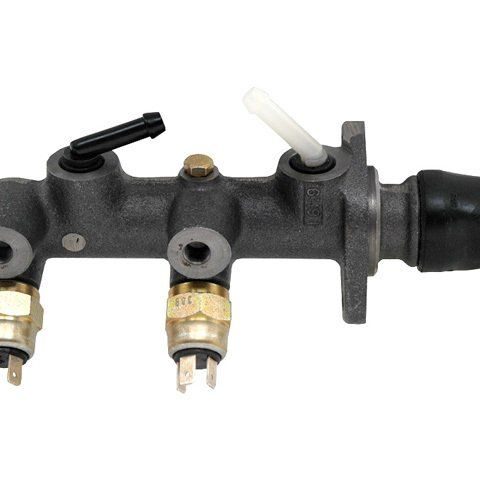
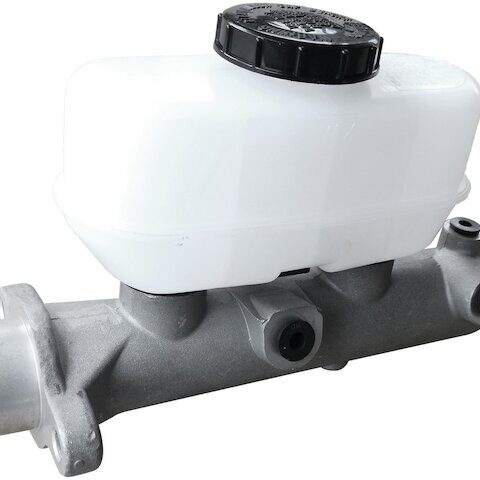
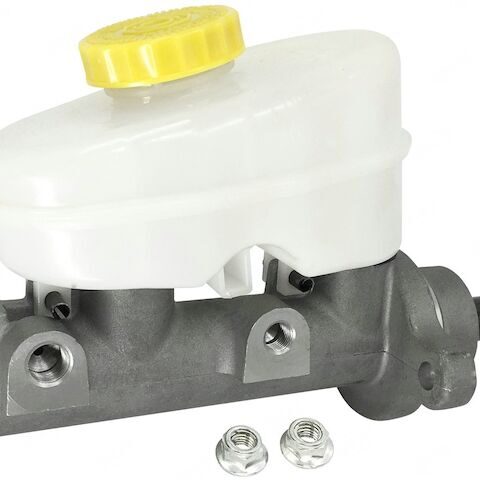
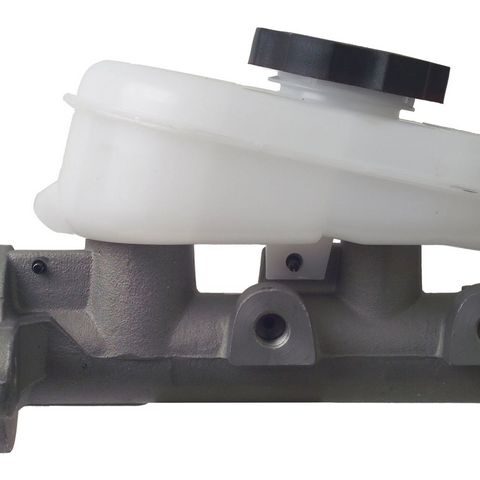
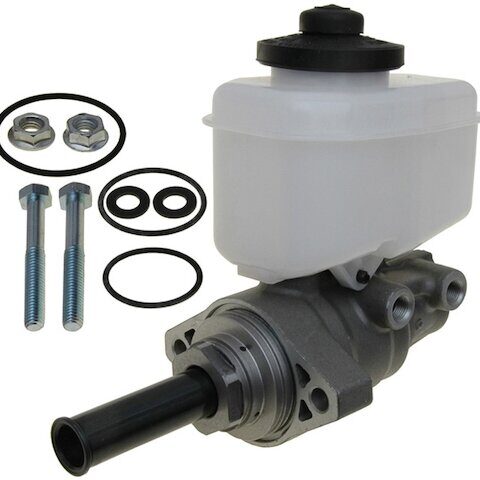
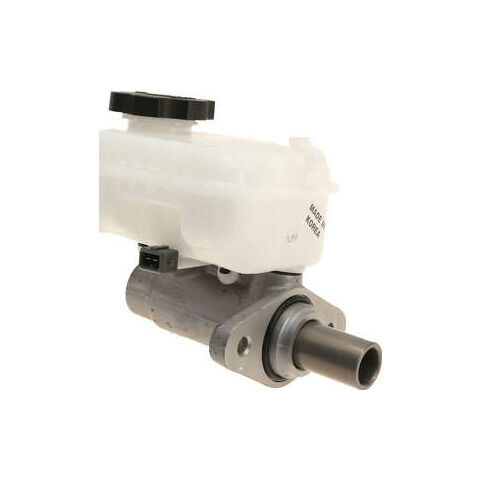
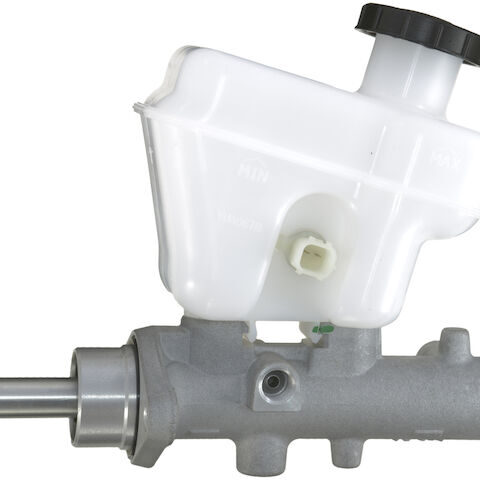
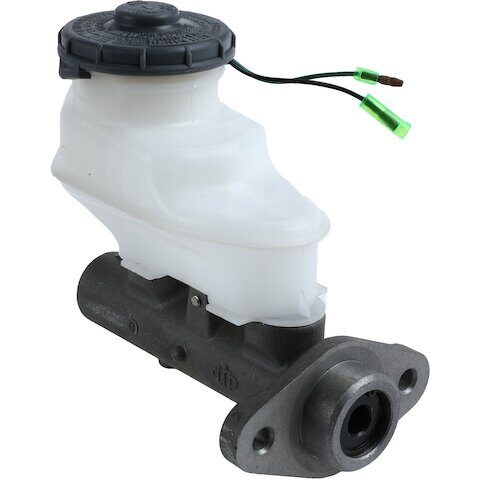
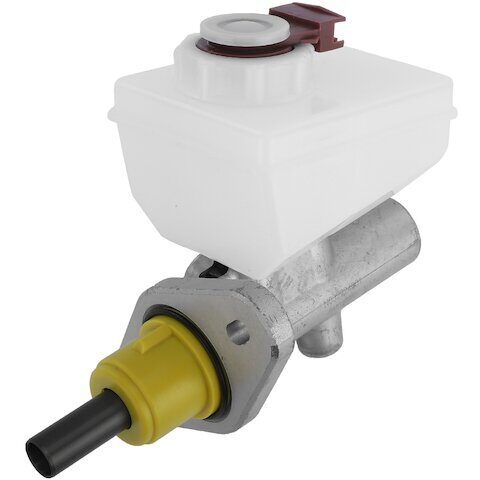
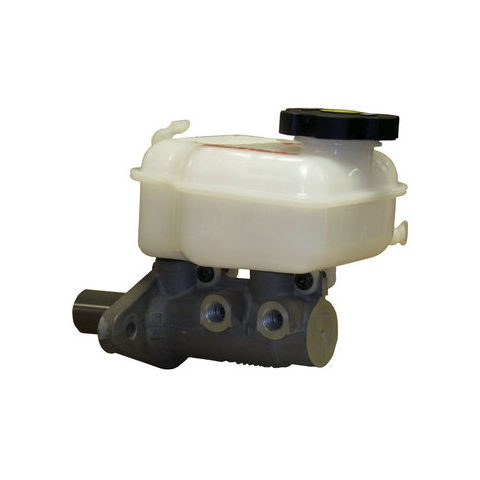
How the master cylinder works
Inside the master cylinder are one or two pistons with rubber seals. When you press the pedal, the pistons push brake fluid out through the lines. Most vehicles built since the late 1960s use a dual circuit design, so a leak in one half of the system still leaves some braking on the other half. The reservoir on top holds the fluid supply, and a cap with a rubber diaphragm keeps out moisture and dirt.
Warning signs to watch for
A pedal that slowly sinks to the floor while you hold steady pressure is a classic sign of worn internal seals. Other signs include a soft or spongy pedal, fluid leaking where the master cylinder meets the brake booster, a falling fluid level with no visible leak at the wheels, and a brake warning light.
A spongy pedal can also come from air in the lines or a leaking caliper, so inspect the whole system before you buy parts.
Choosing and installing a replacement
Check what is included. Many units here come with a reservoir, cap and seal, and some include a fluid level sensor, but mounting hardware is not included on most. If your reservoir is not included, plan to move the old one over with new grommets.
Bench bleed the new master cylinder before you mount it, then bleed the brakes at each wheel. Use the brake fluid type printed on the cap, and wipe up spills quickly because brake fluid damages paint. Confirm fitment by year, model and brake system, such as ABS or non-ABS.
Master Cylinder questions
What does bench bleeding a master cylinder mean?
Bench bleeding means filling the new master cylinder with fluid and pushing the pistons until air stops coming out, usually with short tubes that route fluid back into the reservoir. Doing this before installation makes bleeding the rest of the system much easier.
Should I replace the brake booster at the same time?
Only if it has failed. A booster fault usually shows up as a hard pedal or a hissing noise. If fluid has leaked from the master cylinder into the booster, inspect the booster closely because brake fluid can damage its diaphragm.
Why does my brake pedal sink to the floor?
A pedal that sinks under steady pressure often points to worn seals inside the master cylinder. A leak in a brake line, caliper or wheel cylinder can cause the same thing, so check for wet spots at each wheel before replacing the master cylinder.