Brake
Vacuum Pump
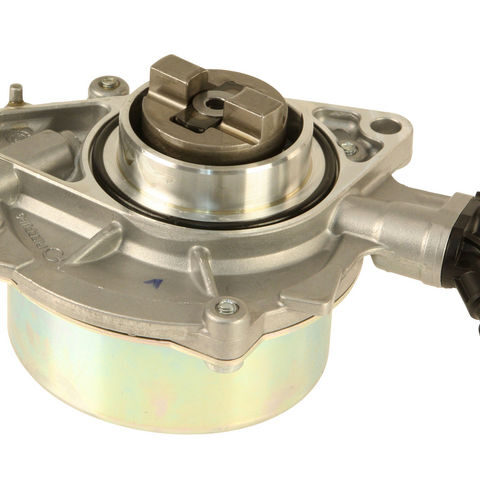
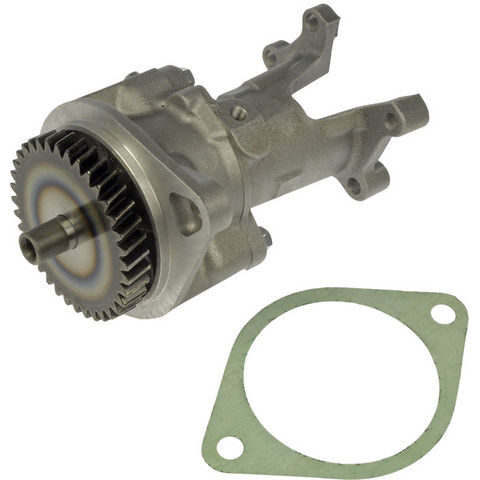
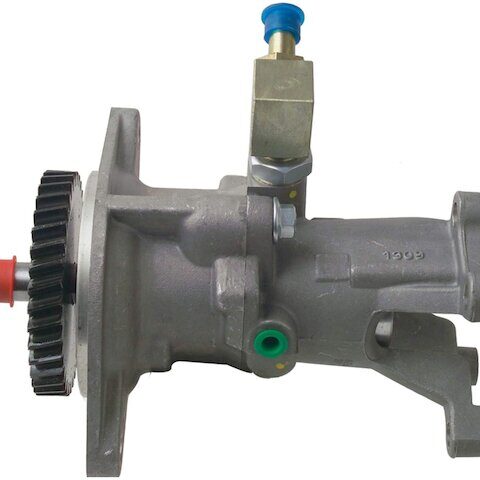
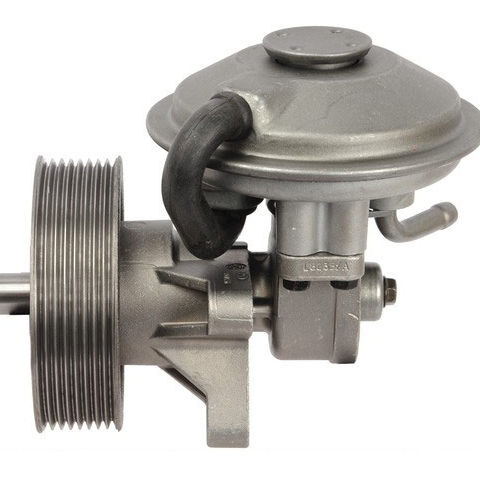
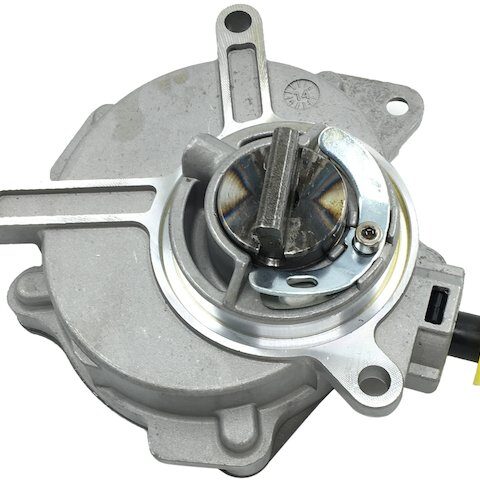
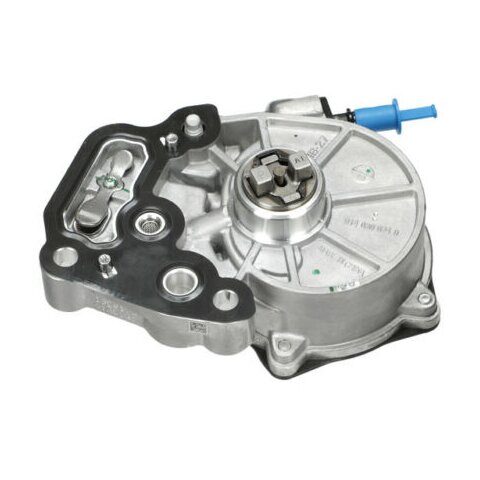
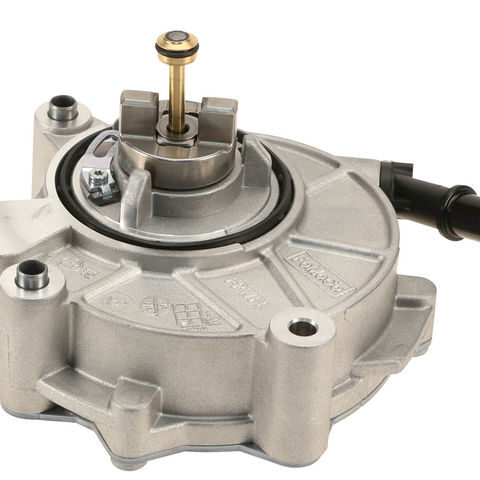
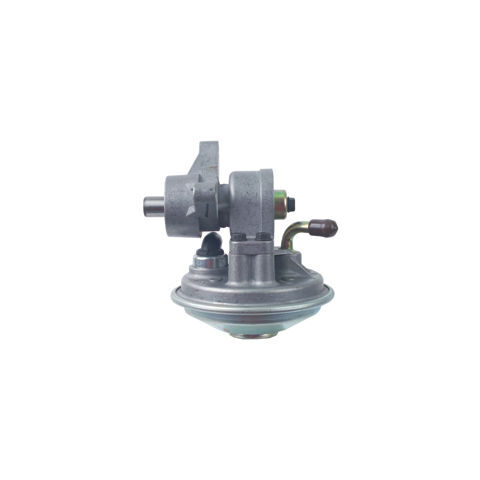
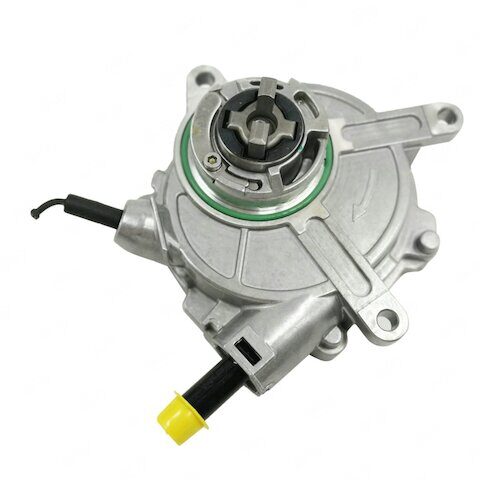
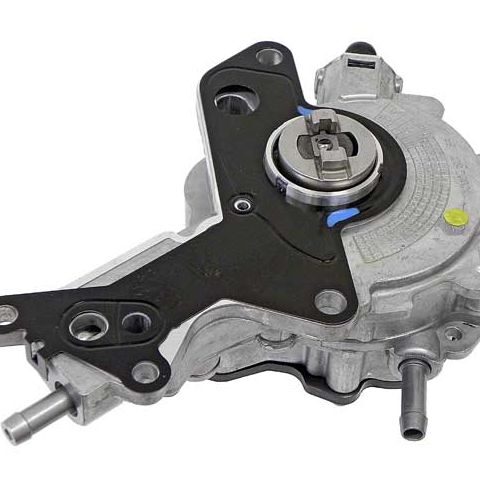
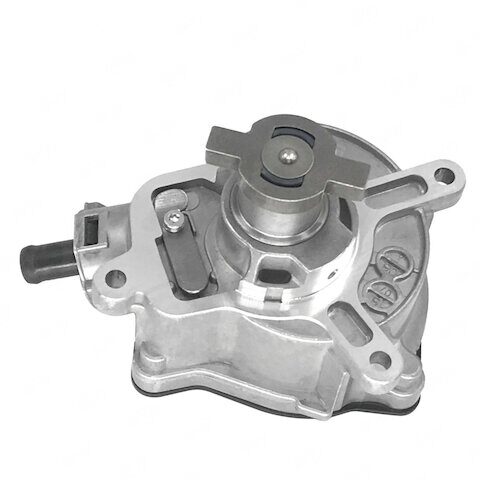
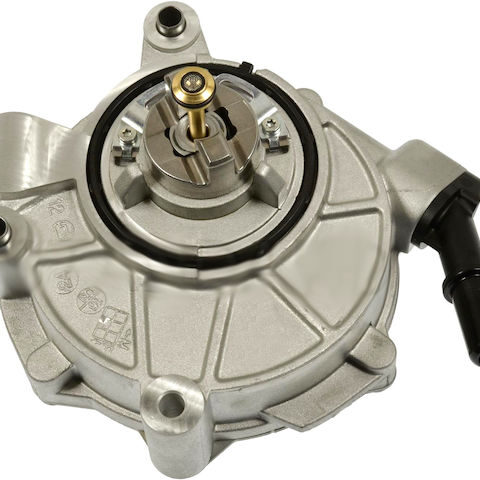
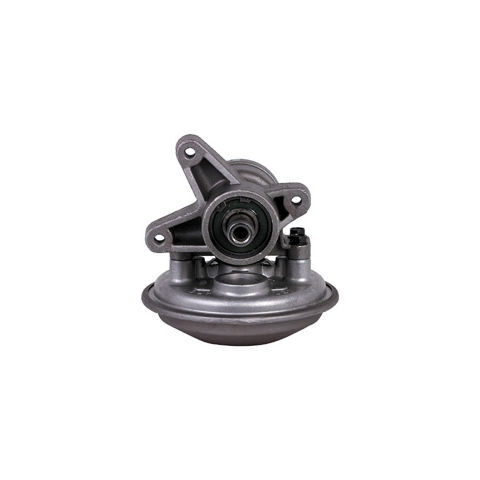
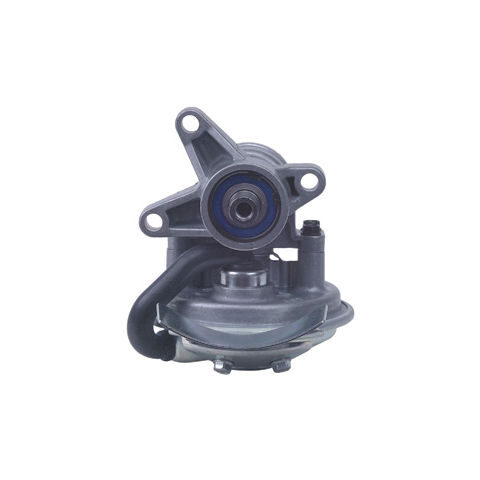
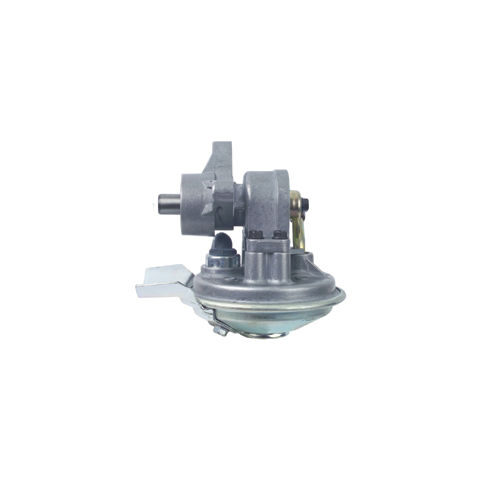
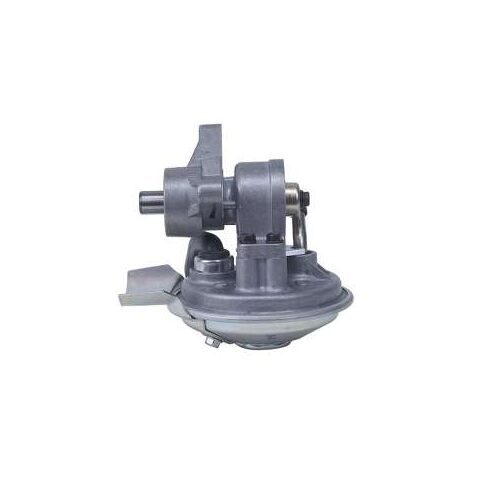
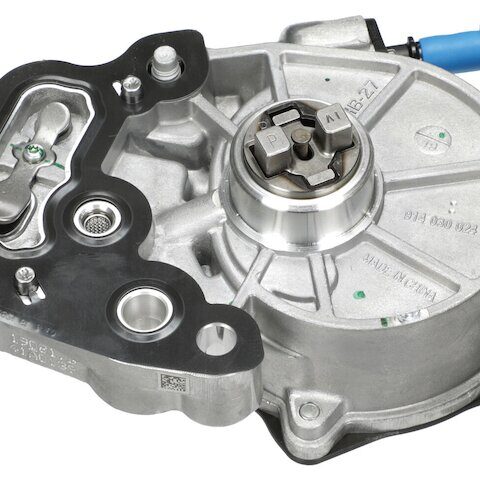
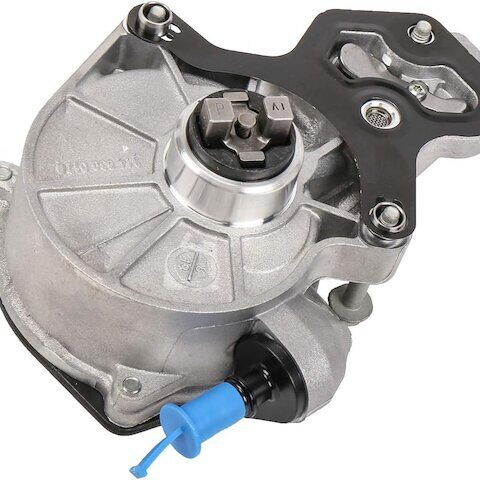
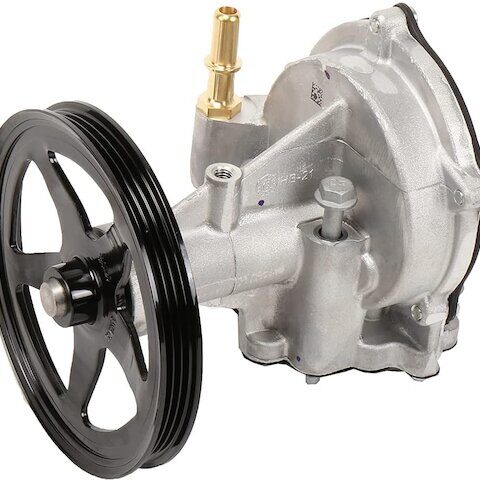
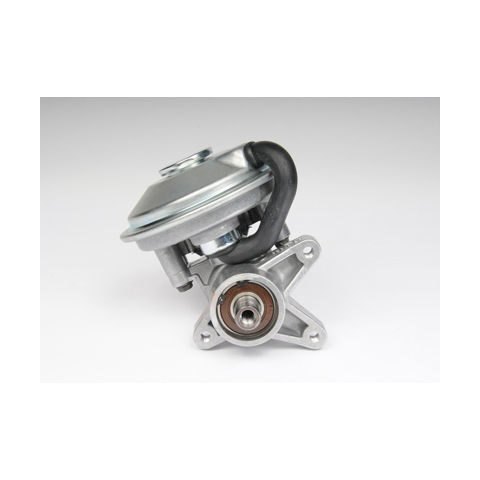
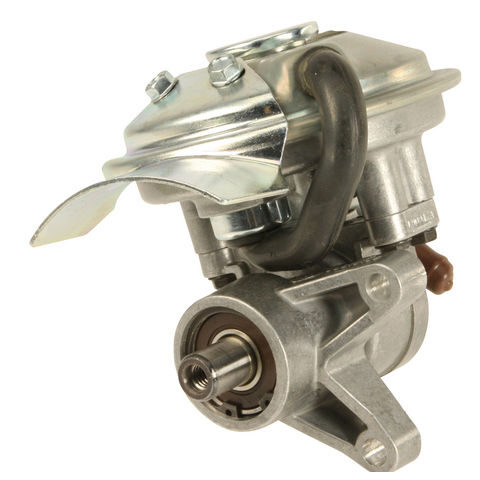
A vacuum pump supplies vacuum to the brake booster on engines that do not make enough of their own, such as many diesels and direct injection gas engines. We list 35 pumps from $57 to $270 for 1983-2021 vehicles, from AC Delco, A1 Cardone, Standard Motor Products and Pierburg, with fits for the Chevrolet Malibu and Equinox.
Shop vacuum pump by vehicle
Why some engines need a vacuum pump
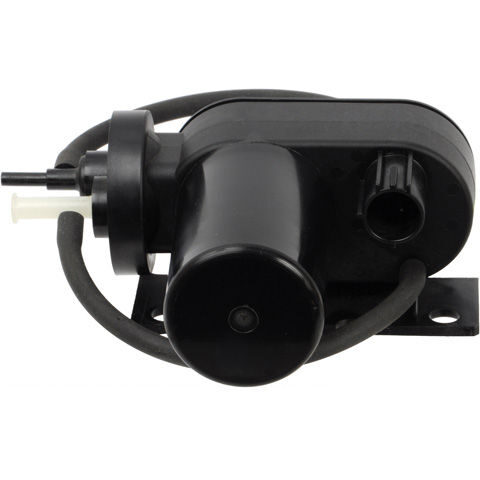
Brake boosters use engine vacuum to multiply your pedal effort. Diesel engines and many modern gas engines produce little intake vacuum, so a mechanical or electric pump makes up the difference.
When the pump fails, the brake pedal becomes hard and the vehicle takes more effort to stop. That is a real safety issue, so have it checked right away.
Symptoms and checks
Signs of a failing vacuum pump include a hard brake pedal, a hissing or ticking noise from the pump, oil leaks around the pump body and a brake booster warning on some vehicles.
Before replacing the pump, inspect the vacuum hoses and check valve between the pump and booster. A cracked hose causes the same hard pedal symptoms. A vacuum gauge can confirm whether the pump is making enough vacuum.
Choosing and fitting
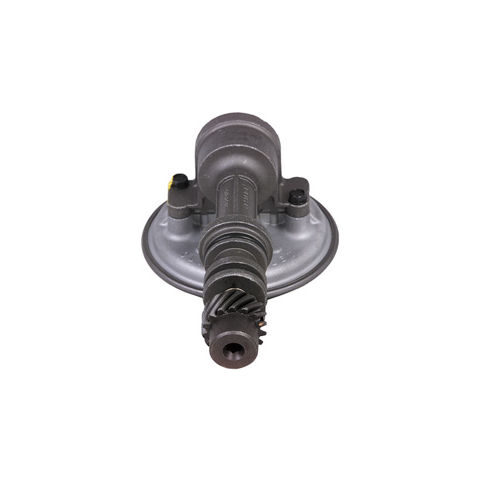
Pumps can be mechanical, driven by the camshaft, or electric. Listings show contents such as a gasket, O-ring or instruction sheet, and whether a pulley is included.
Use new seals and torque bolts to spec. On cam driven pumps, line up the drive tangs correctly. After the job, test the brakes in a safe area before normal driving. Check the fitment table for engine size, since different engines in the same model use different pumps.
Vacuum Pump questions
What happens if my brake vacuum pump fails?
The brake pedal becomes very hard and stopping distances increase. The brakes still work, but you need much more force. Have it repaired before driving further.
Why does my vacuum pump leak oil?
Cam driven pumps are lubricated by engine oil. Worn gaskets or seals let oil leak out. Replacing the pump or its seals stops the leak.
Is the vacuum pump the same as the brake booster?
No. The pump creates vacuum, and the brake booster uses that vacuum to help push the master cylinder. They are separate parts. Test the pump and hoses before replacing the booster.