Clutch
Pressure Plate
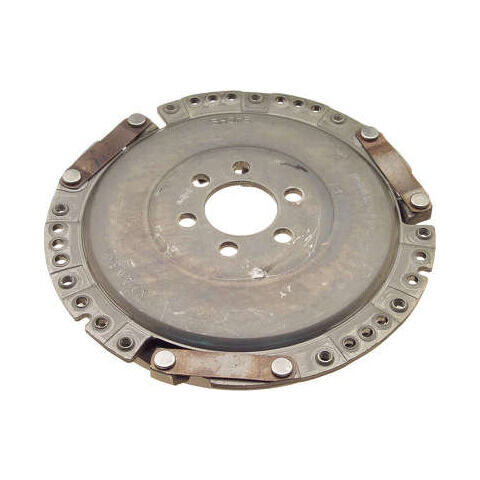
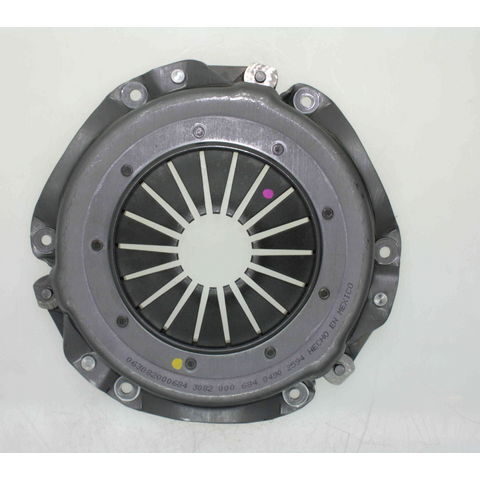
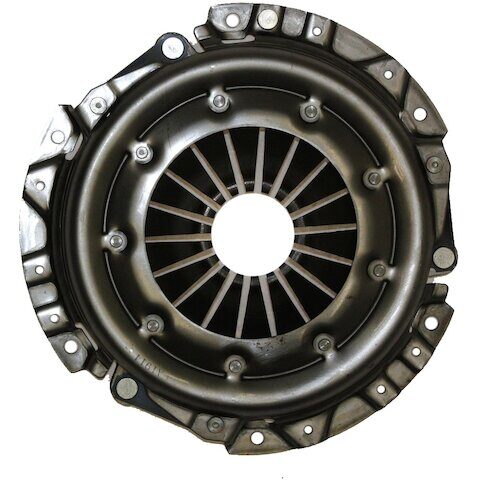
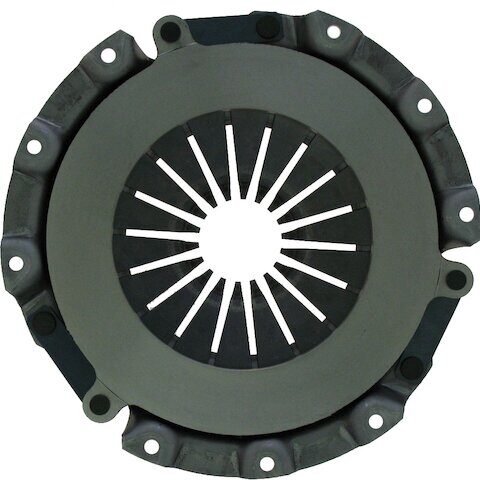
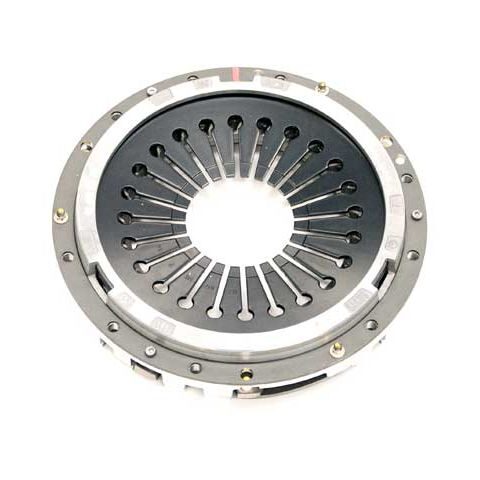
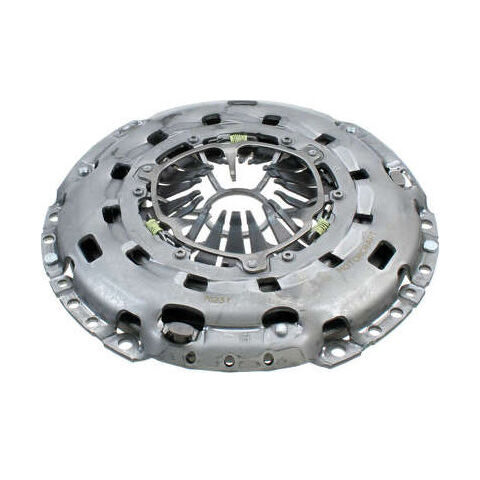
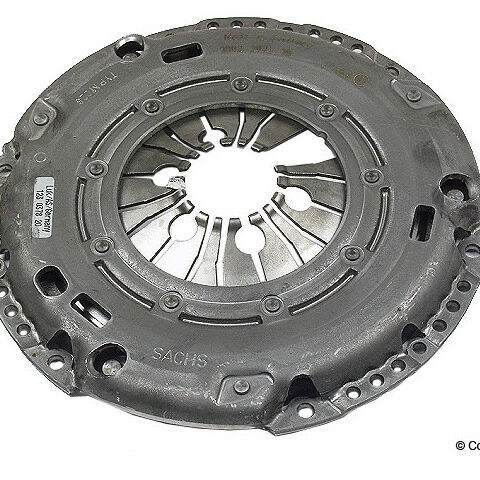
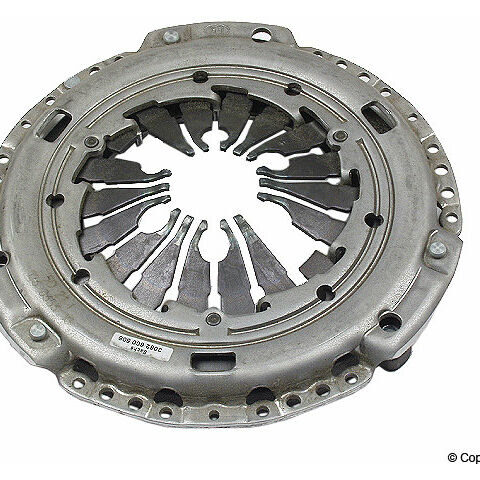
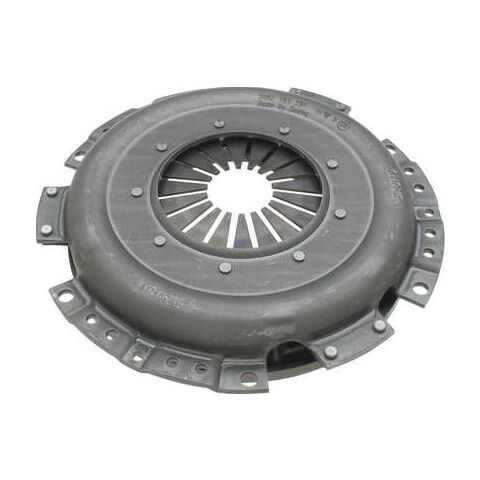
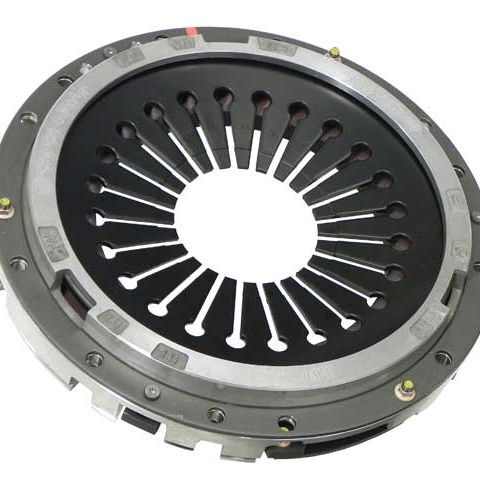
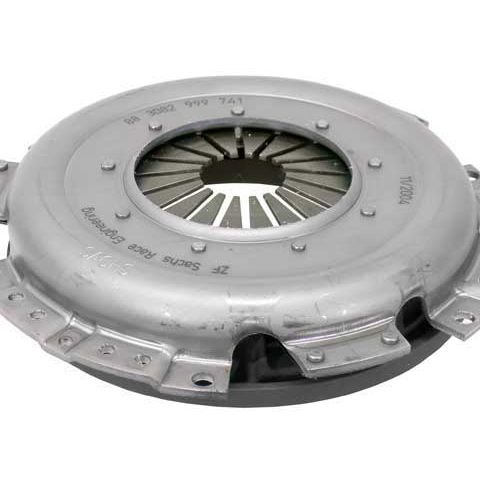
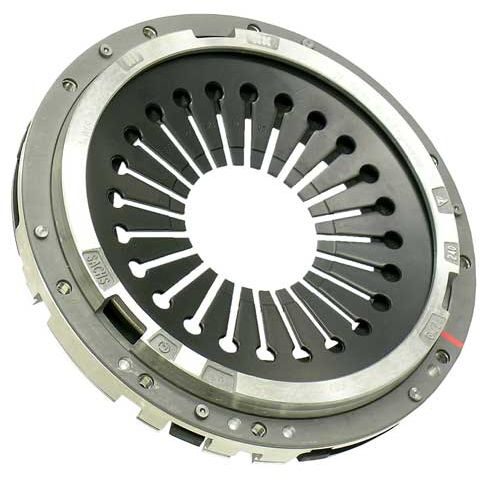
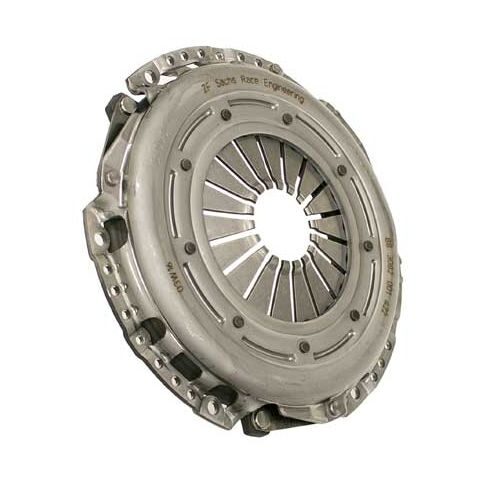
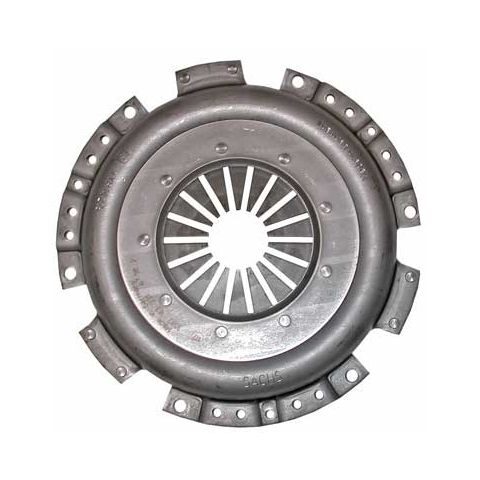
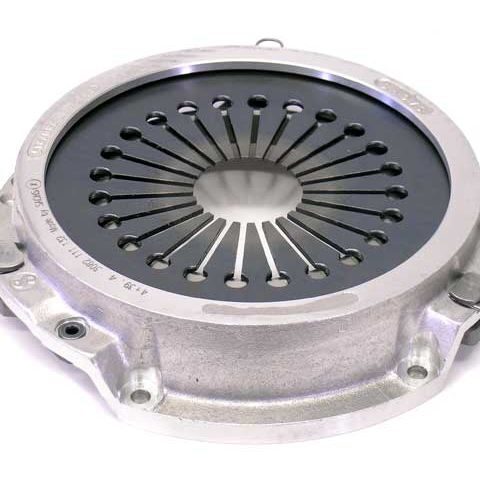
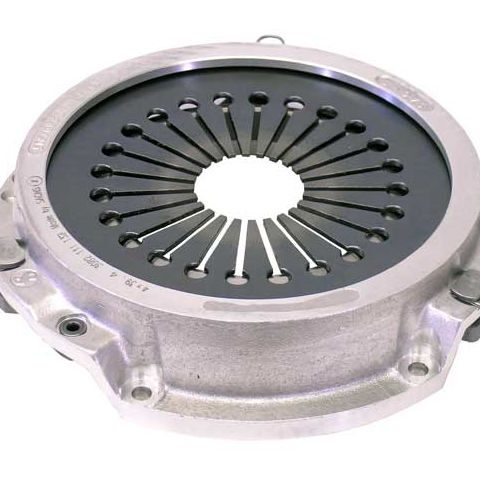
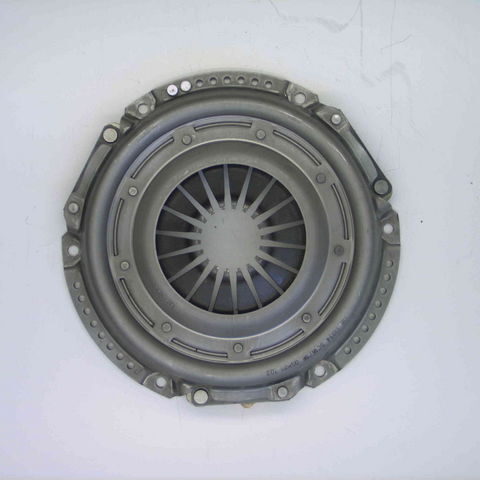
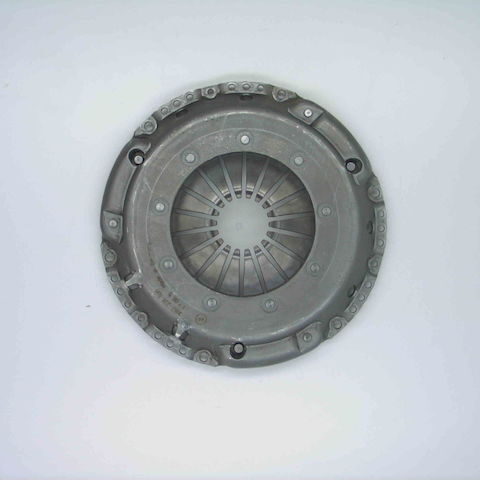
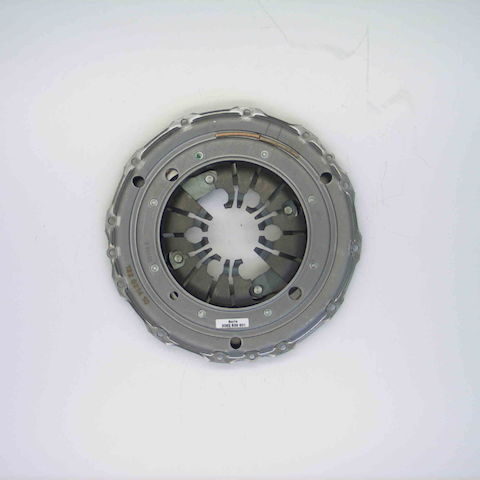
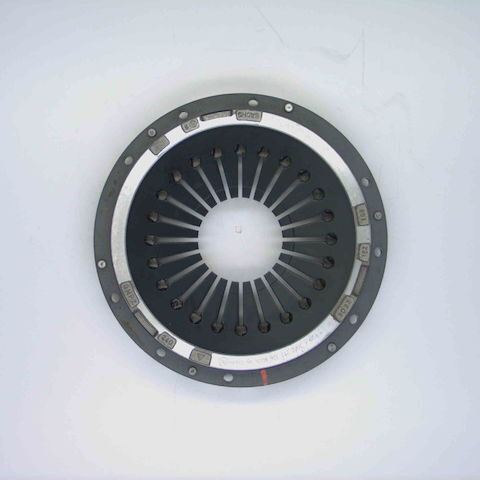
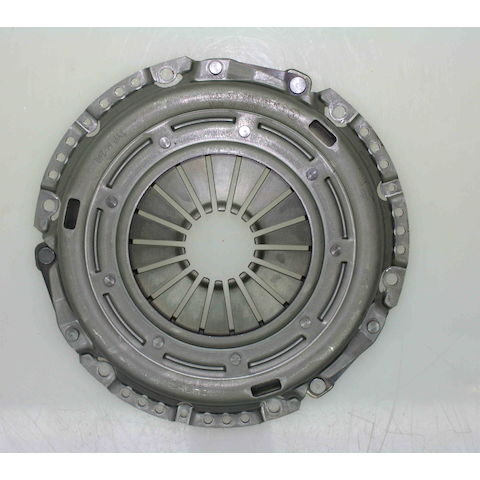
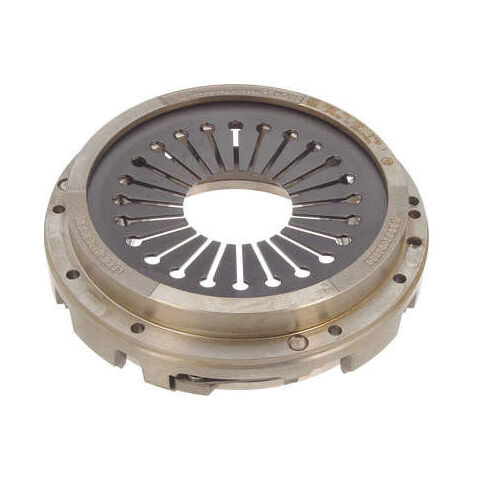
The pressure plate clamps the clutch disc against the flywheel so engine power reaches the transmission. We list 30 pressure plates from $46 to $1923 by Sachs, LUK and Exedy, with fitments for Porsche 911, 914 and 928, Volkswagen Jetta, Jeep Comanche and Grand Wagoneer.
Shop pressure plate by vehicle
How the pressure plate works
The pressure plate bolts to the flywheel. Its diaphragm spring presses the clutch disc tight so the engine and transmission turn together. When you push the clutch pedal, the release bearing presses on the spring fingers and lifts the clamp load, which lets the disc spin free so you can change gears.
Signs of clutch wear
A slipping clutch, where engine speed rises without matching acceleration, is the most common sign of a worn disc or weak pressure plate. Other signs include chatter on takeoff, a clutch that engages very high on the pedal, grinding when shifting because the clutch will not release, and a burning smell.
Hydraulic problems with the master or slave cylinder can also cause release trouble, so check those first.
Doing the job right
Most mechanics replace the pressure plate, disc and release bearing together, since the transmission has to come out to reach any of them. Have the flywheel resurfaced or replaced if it is scored, cracked or shows hot spots. A dual mass flywheel needs a matching design.
Use a clutch alignment tool, tighten the pressure plate bolts in a crisscross pattern to spec, and check the fitment table for engine and transmission before ordering.
Pressure Plate questions
Should I replace only the pressure plate?
It is rarely worth it. The transmission must come out to reach the pressure plate, so most people replace the disc and release bearing at the same time to avoid repeating the labor.
Does the flywheel need resurfacing with a new clutch?
Often yes. A smooth, flat flywheel helps the new disc bed in without chatter. Some flywheels, including many dual mass designs, cannot be resurfaced and must be replaced if worn.
What causes a clutch to slip?
A worn disc, a weak pressure plate, oil contamination from a leaking seal or a hydraulic system that will not fully release can all cause slipping. Fix any oil leaks when replacing the clutch.