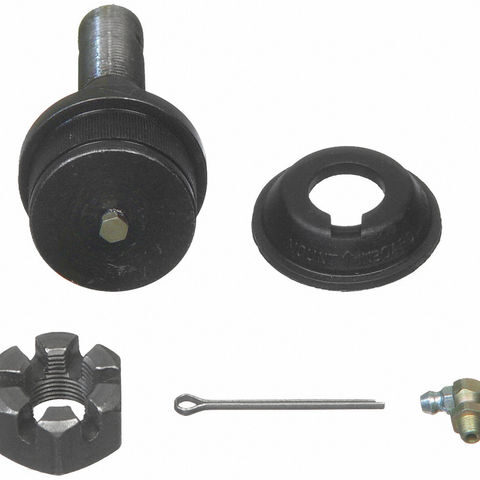
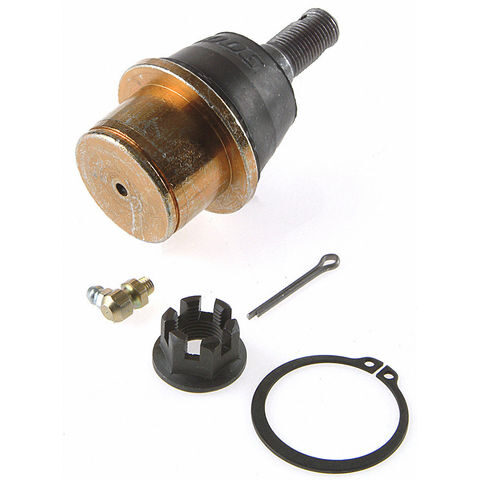
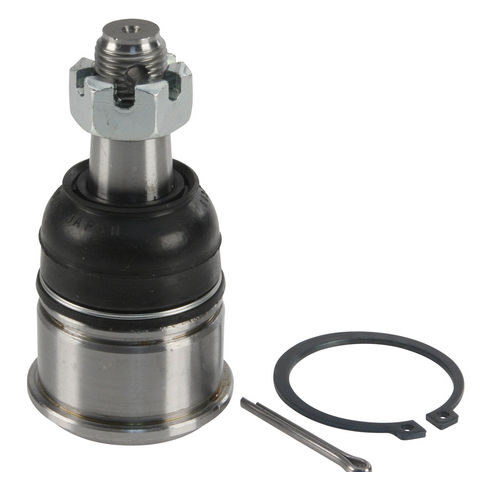
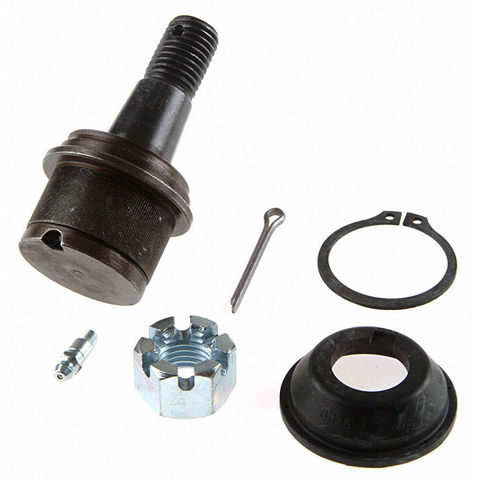
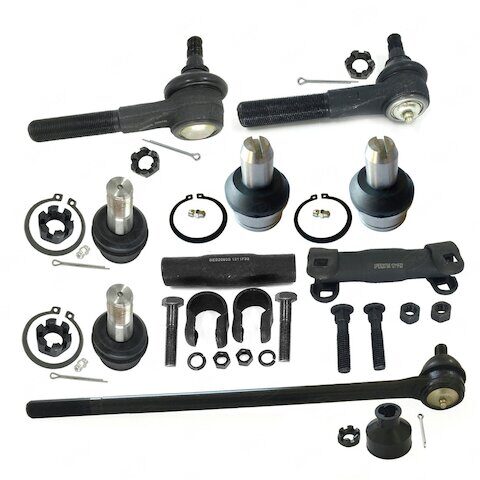
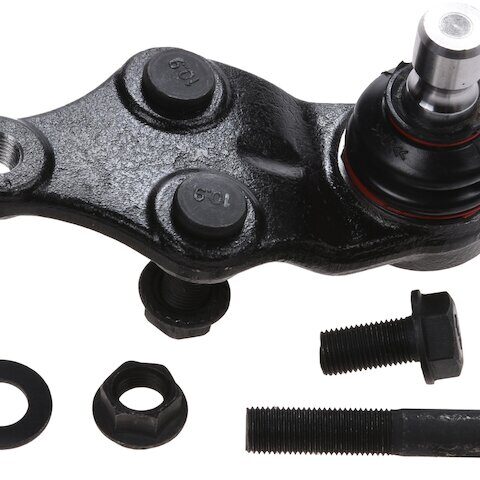
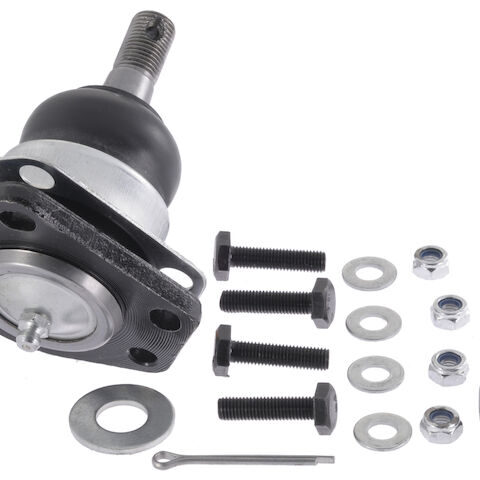
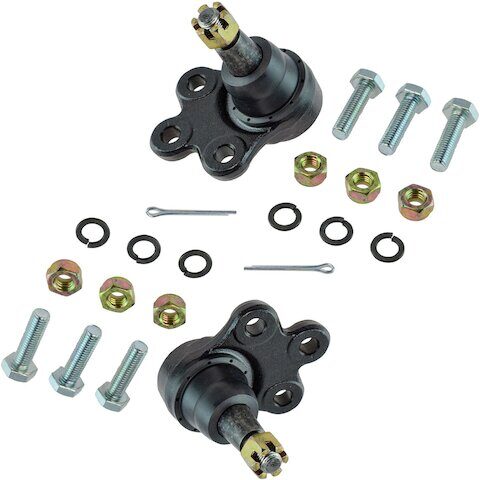
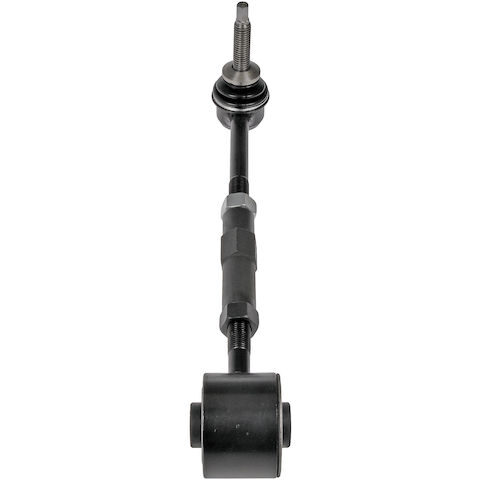
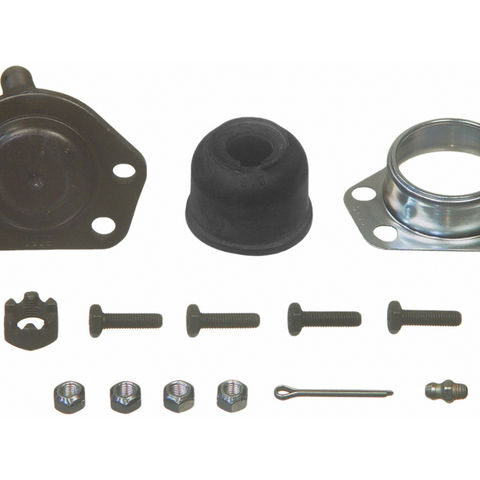
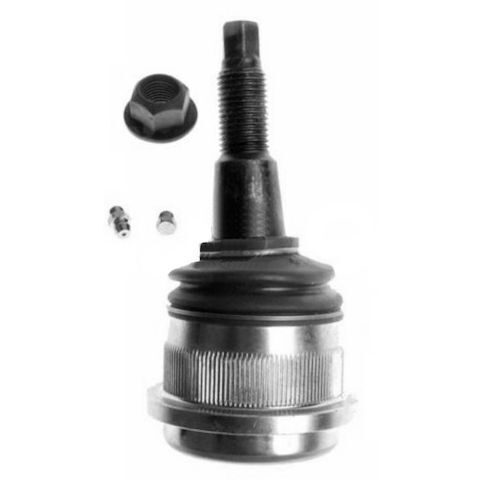
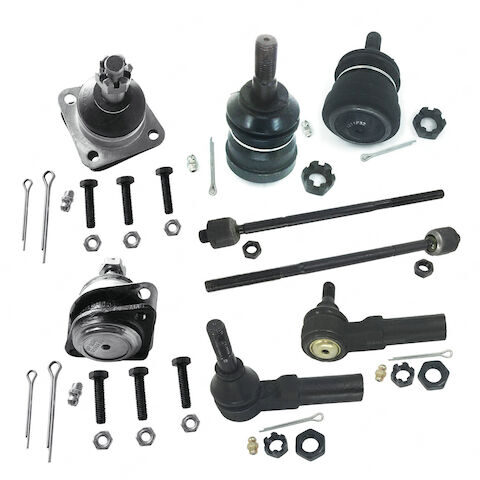
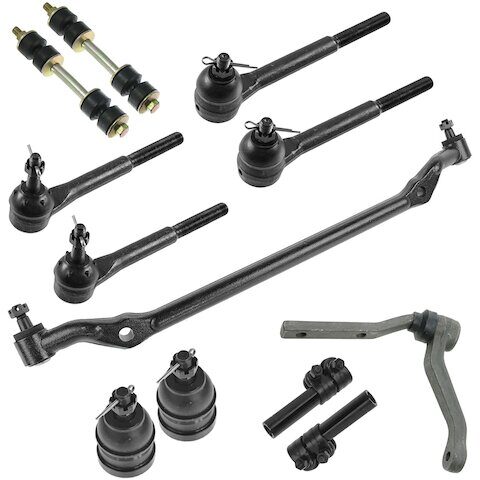
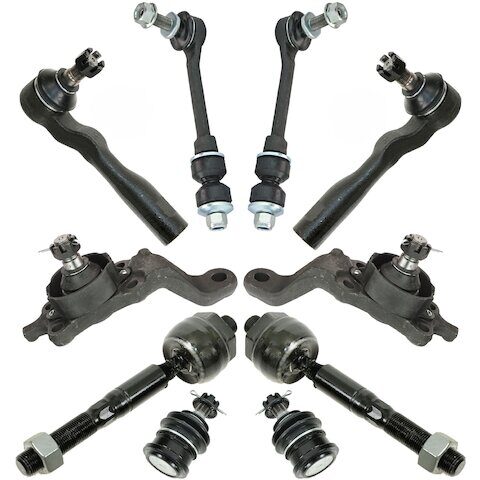
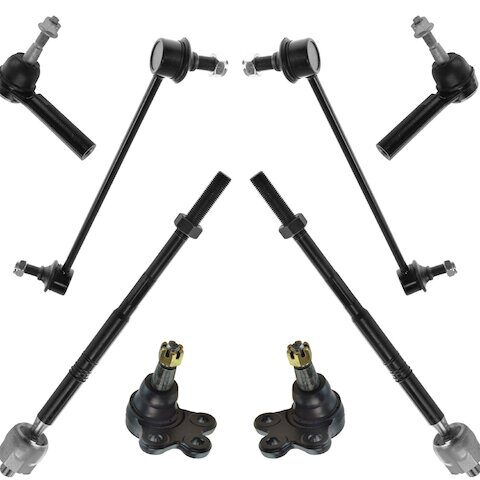
Replacement Front Ball Joints Tie Rods Sway Bar Links Idler and Pitman Arm Kit 498-084
Fits 1998 models
$109.95
In stock
Suspension
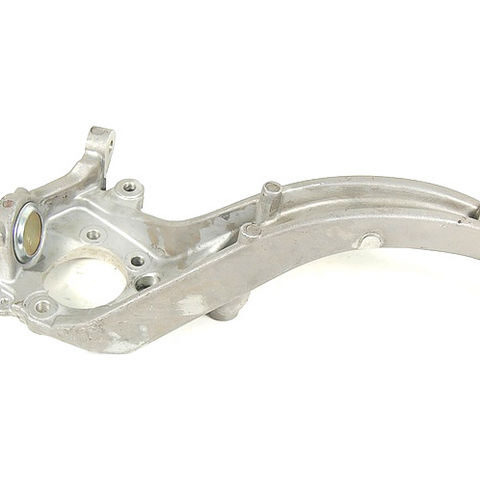
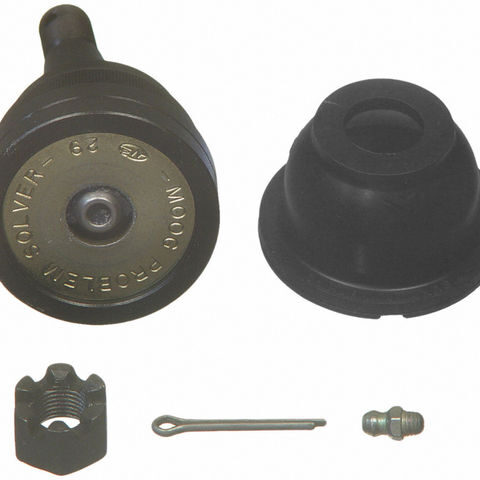
A ball joint is a pivot that connects the control arm to the steering knuckle, letting the wheel move up and down and turn. We carry 40 ball joints and kits from $13 to $198 for 1969-2022 vehicles. Chevrolet leads with the Equinox and Camaro, plus options for the Ford F150, Silverado 2500 HD, Jeep and Hyundai Sonata.
Fits 1998 models
Fits 2011 models
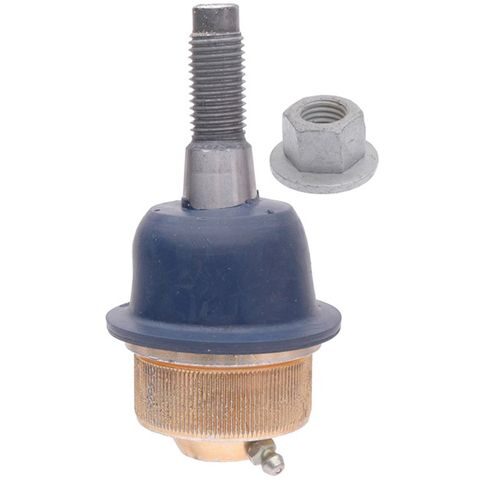
A ball joint is a ball in a socket. Over time the socket wears and develops play.
Common signs include a clunk over bumps, wandering or loose steering, uneven tire wear on the inner or outer edge, and squeaking as the suspension moves. To check, safely lift and support the vehicle, then rock the wheel top to bottom and watch the joint. Any movement or a torn boot means it is due. A badly worn ball joint can separate, so do not delay replacement.
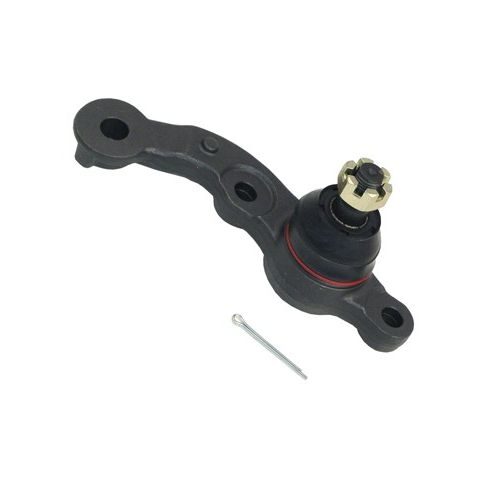
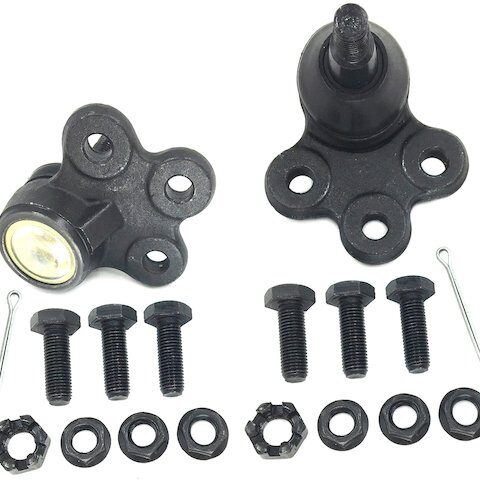
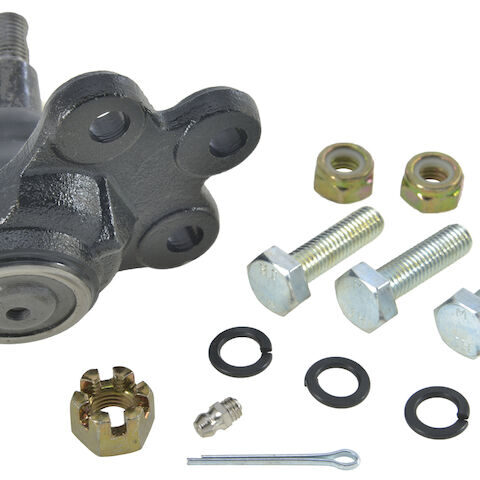
Many front suspensions have an upper and a lower ball joint on each side. Our listings name positions such as front lower, front upper and rear upper forward. Some ball joints are pressed into the control arm, and some bolt on.
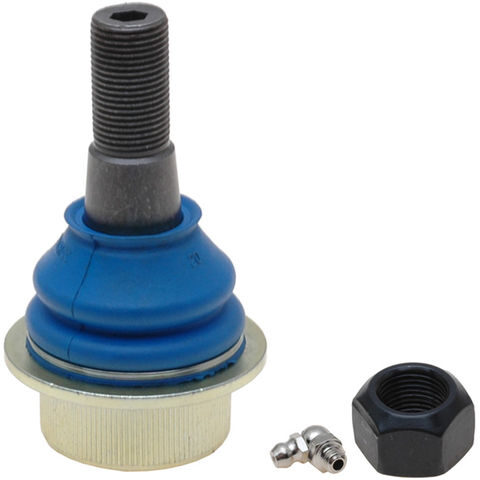
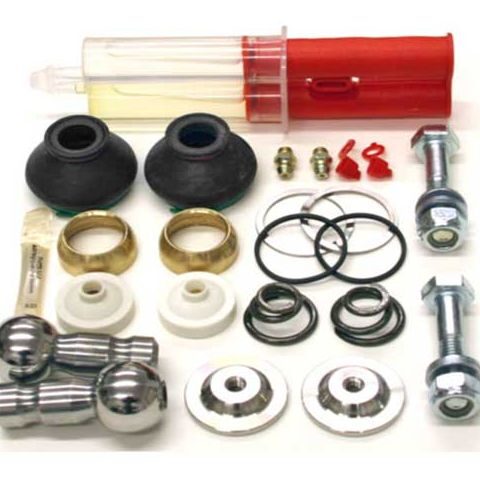
Greaseable joints have a zerk fitting so you can add grease, while sealed joints do not. Some kits combine ball joints with tie rod ends and sway bar links, which suits a full front end refresh.
Use the vehicle selector and read the fitment table for drive type and trim. Two wheel drive and four wheel drive trucks often use different ball joints, and some models changed suspension design partway through a generation.
Support the vehicle on jack stands and never work under it on a jack alone. Pressed joints need a ball joint press. Torque the castle nut to spec and fit a new cotter pin. Get a wheel alignment after the job.
It is not safe to keep driving on a badly worn ball joint. If it separates, the wheel can lose control. Replace it as soon as you find play.
Yes, an alignment is recommended because the steering knuckle and control arm move during the job, which can change toe and camber.
Greaseable joints let you add fresh grease at service time. Sealed joints need no maintenance. Both work well when installed correctly.