Cooling System
Expansion Tank
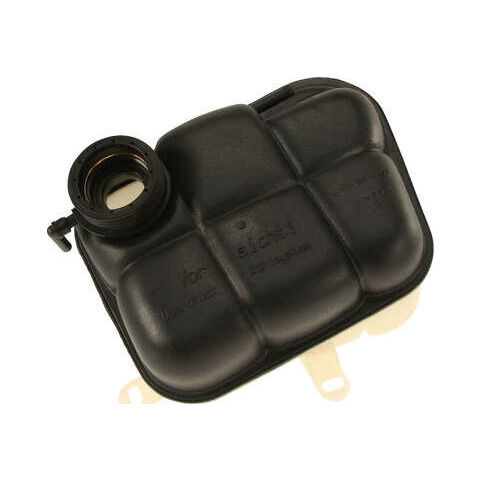
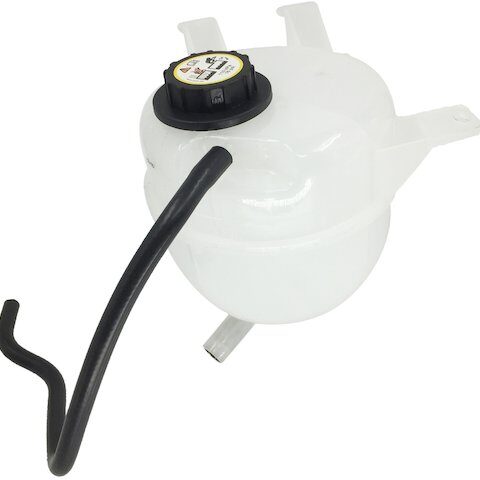
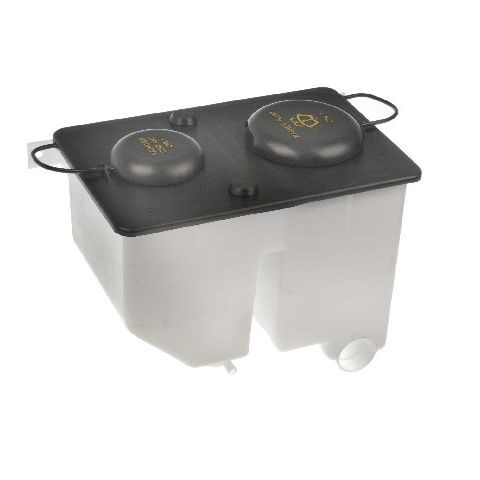
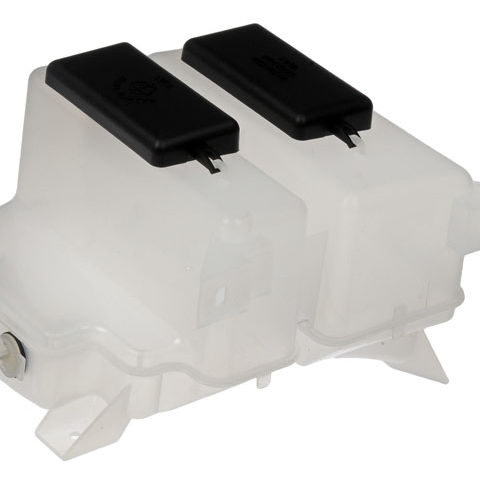
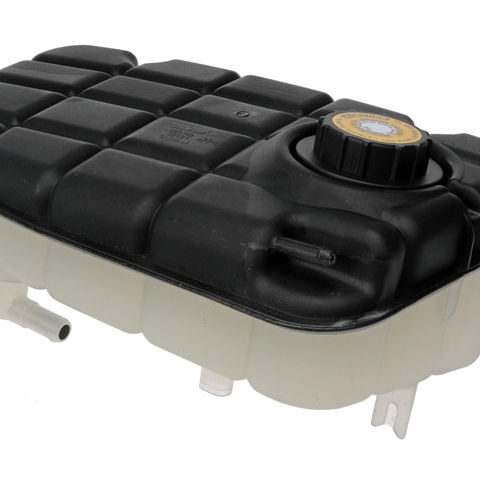
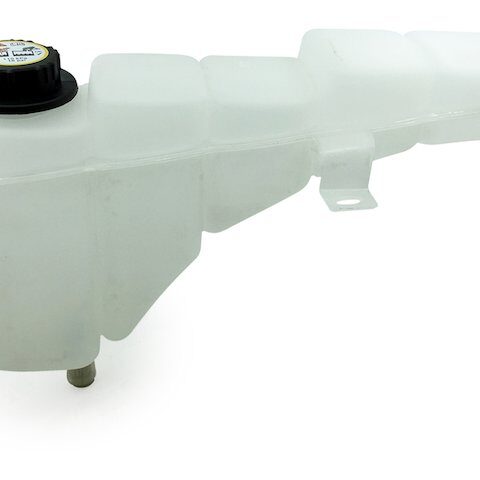
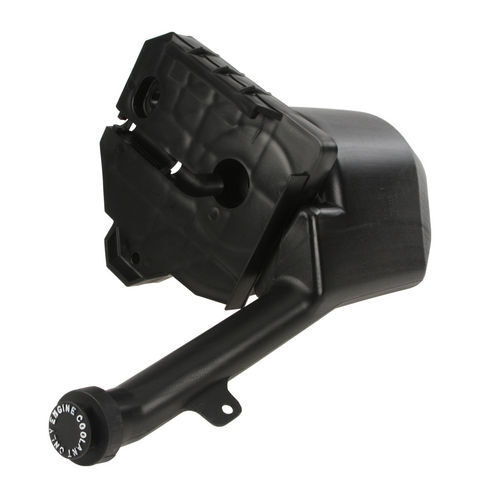
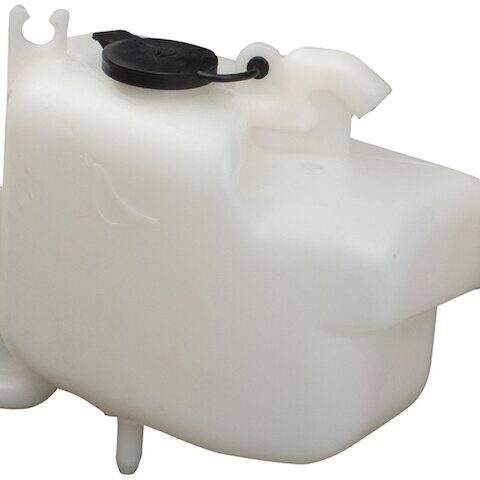
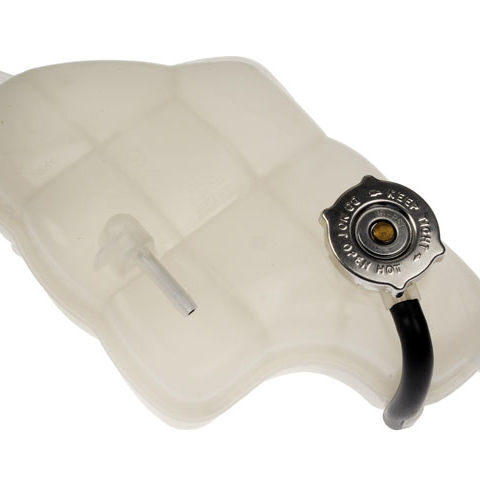
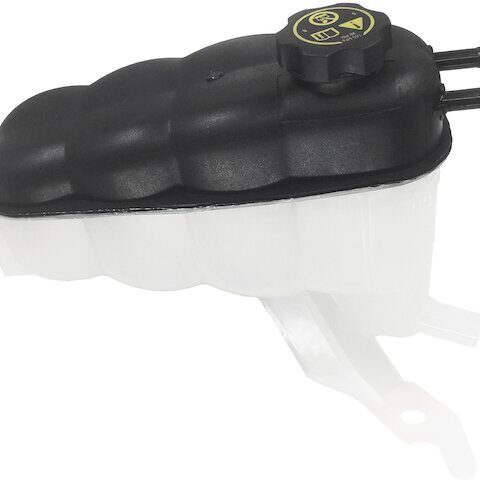
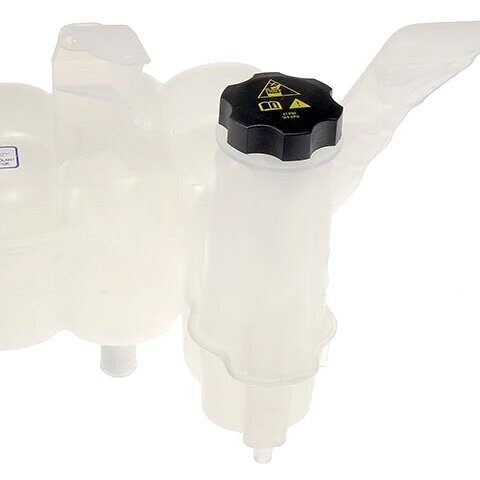
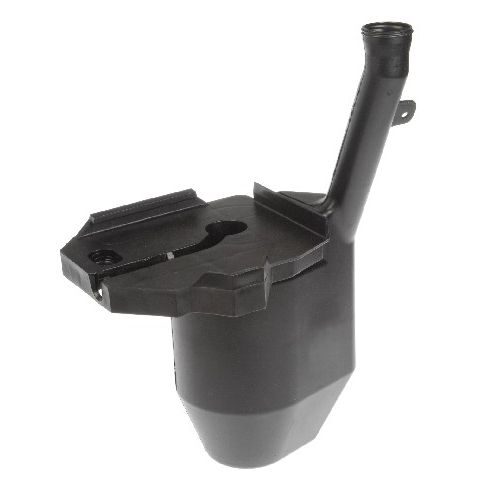
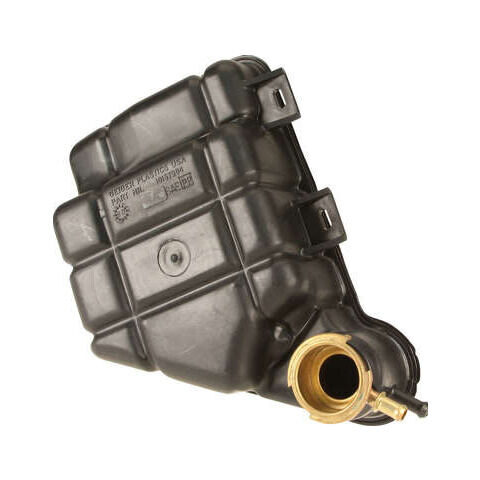
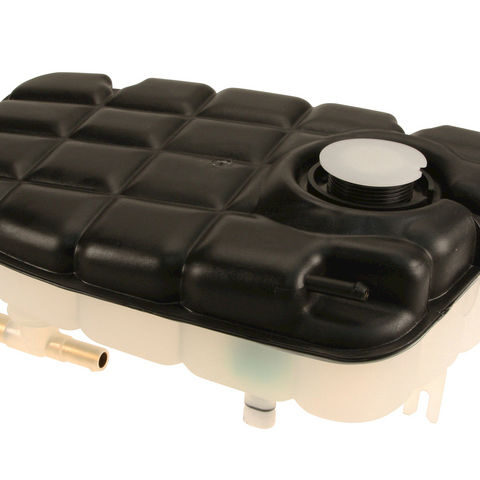
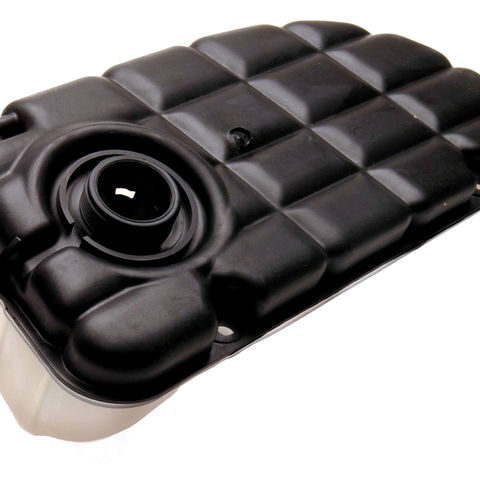
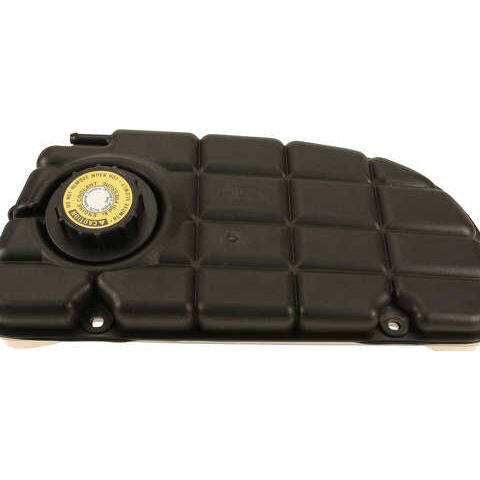
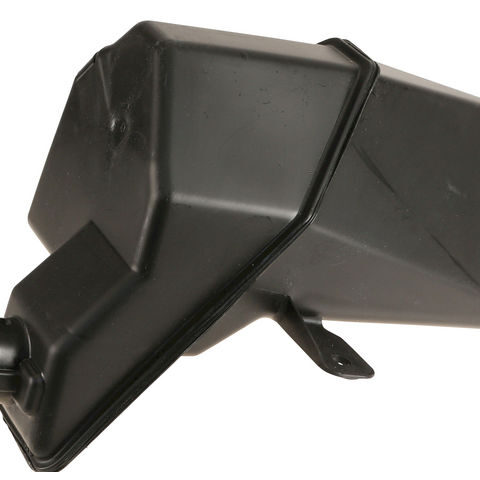
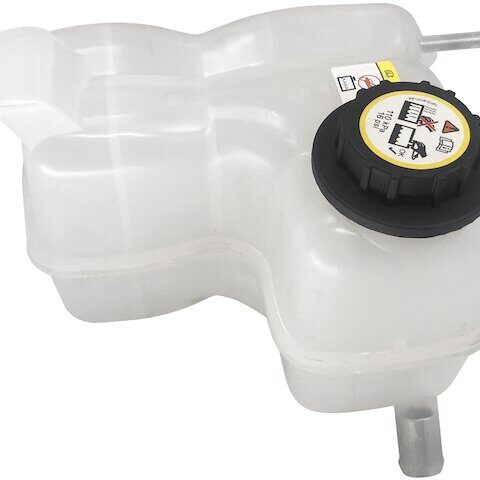
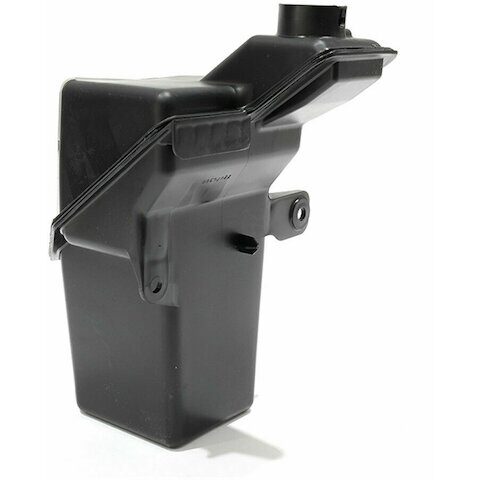
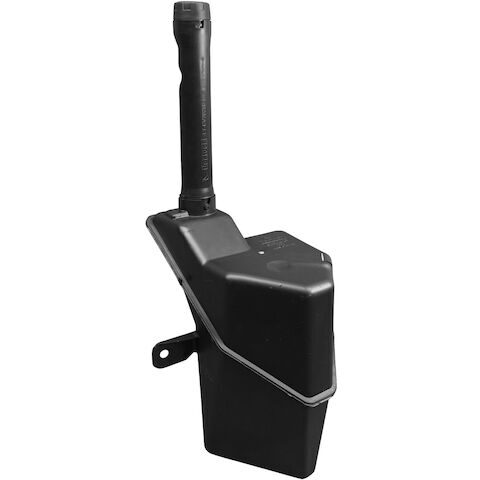
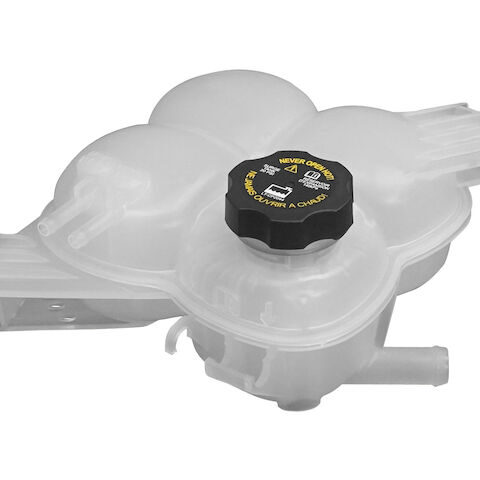
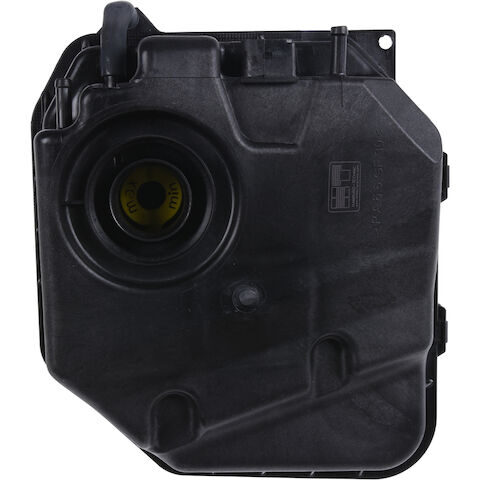
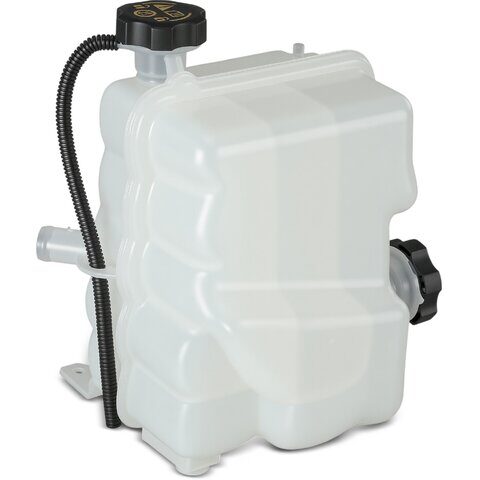
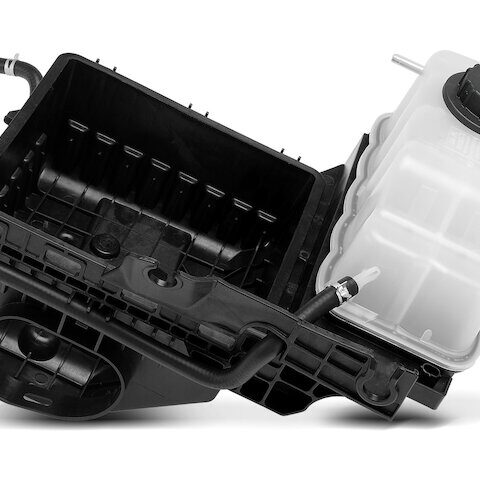
An expansion tank, or coolant reservoir, holds extra coolant that expands from the engine as it heats and returns it as it cools. We carry 31 expansion tanks from $21 to $190 for 1963-2025 vehicles, from Dorman, AC Delco and others, with fits for the Chevrolet Camaro, Corvette and Silverado 2500 HD, Ford F150 and Jeep Wrangler.
Shop expansion tank by vehicle
Signs of a failing tank
Plastic tanks age from constant heat cycles. Watch for cracks along seams and around the hose necks, coolant drips or crusty residue on the tank, a sweet coolant smell after driving, a level that keeps dropping, and plastic that has turned yellow or brittle. On pressurized tanks a crack can let pressure escape and lead to overheating. A failed cap can cause similar symptoms, so inspect it as well.
Pressurized or overflow
Some vehicles use a pressurized tank that is part of the sealed cooling system, with a pressure cap on the tank. Others use a non-pressurized overflow bottle with the cap on the radiator. Listings show which type each tank is, whether a cap is included, and cap pressure ratings such as 16 PSI or 20 PSI. Use the correct cap rating for your system. Compare hose connections, sensor ports and mounting tabs with your old tank.
Replacing it safely
Never open a pressurized tank or radiator cap while the engine is hot, since scalding coolant can spray out. Let the engine cool fully. Select your vehicle and confirm the engine size in the fitment table. Drain enough coolant to lower the level, move the hoses and level sensor over, and refill with the coolant type your owner's manual specifies. Bleed air from the system as your service manual describes, then check for leaks.
Expansion Tank questions
Can a cracked expansion tank cause overheating?
Yes. On a pressurized system, a crack lets pressure and coolant escape, which lowers the boiling point and reduces coolant level. Both can lead to overheating.
Does a new expansion tank come with a cap?
Some do and some do not. Check the cap included field on each listing. If the old cap is worn or its seal is cracked, replace it with one of the correct pressure rating.
What coolant should I use after replacing the tank?
Use the coolant type shown in your owner's manual or on the tank, and mix it as directed. Mixing incompatible coolants can cause gelling or corrosion.