Cooling System
Radiator Hose
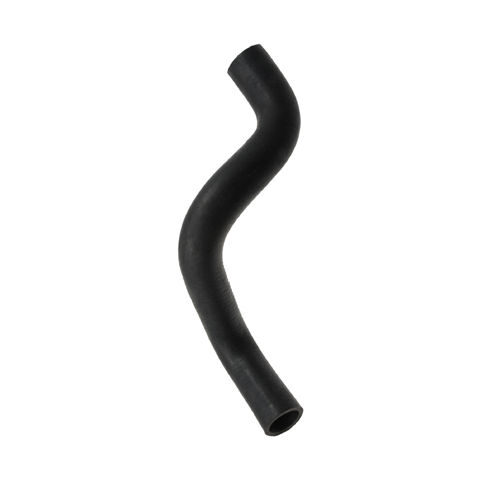
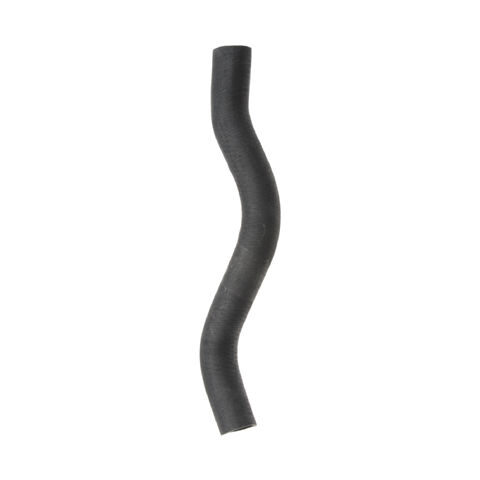
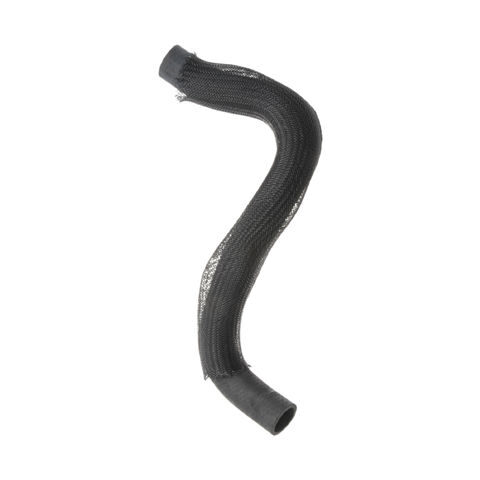
Radiator hoses carry coolant between the engine and the radiator, with the upper hose taking hot coolant out and the lower hose returning cooled coolant. We carry 32 hoses from $13 to $165 by Dayco, Gates, AC Delco and APA/URO Parts, with fitments for Chevrolet Equinox, BMW X3, Jaguar X Type and Lincoln LS.
Shop radiator hose by vehicle
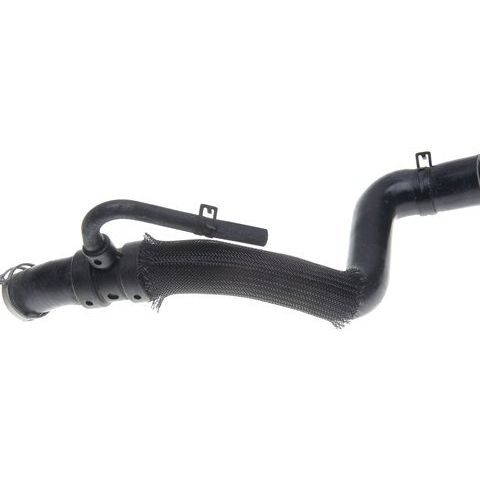
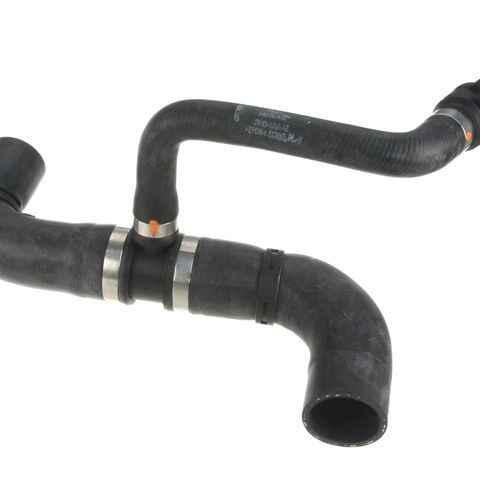
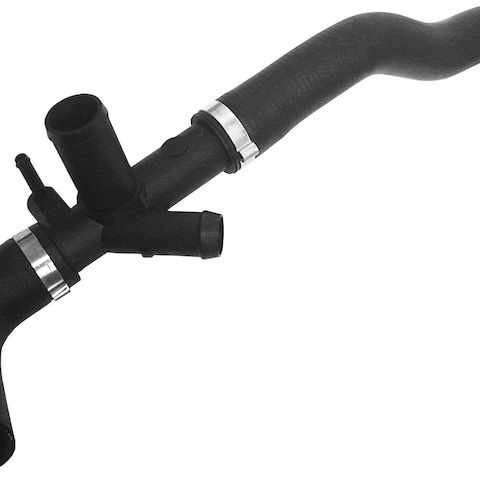
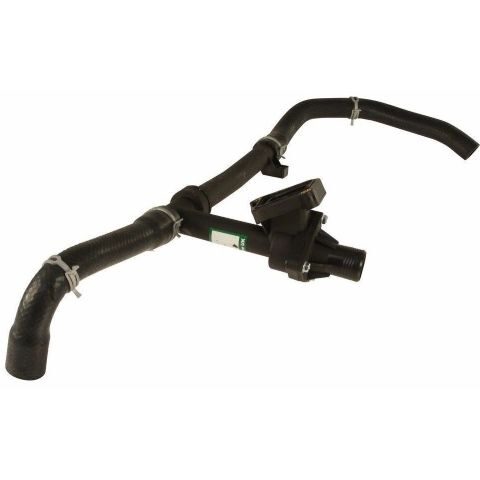

How to spot a worn hose
Squeeze a hose when the engine is cold. A healthy hose feels firm. A hose that feels soft, spongy, swollen or crunchy is breaking down from the inside. Cracks, bulges near the clamps and coolant stains or crust at the ends are other warning signs.
A lower hose can also collapse under suction at high engine speed, which restricts flow. A burst hose dumps coolant quickly and can lead to overheating within minutes.
Upper, lower and molded hoses
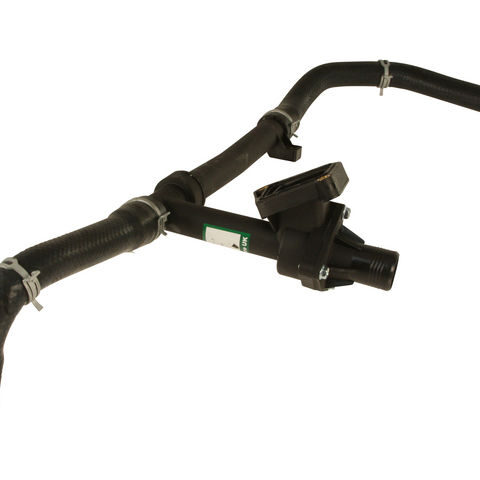
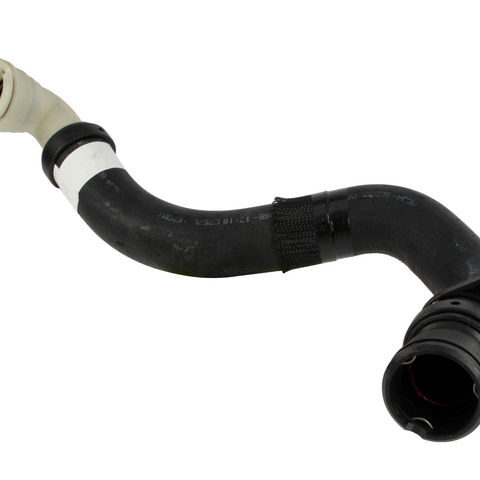
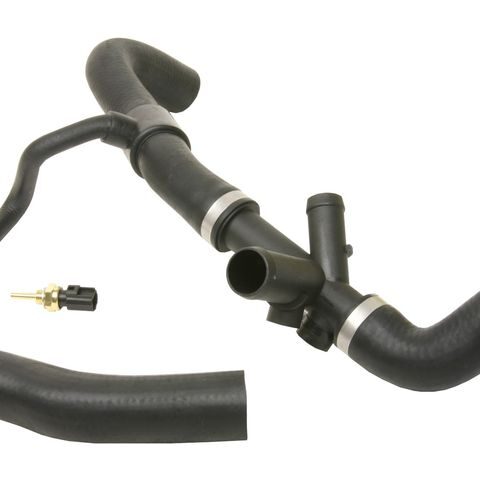
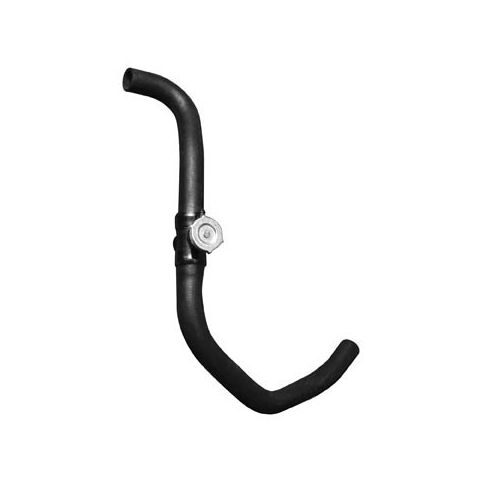
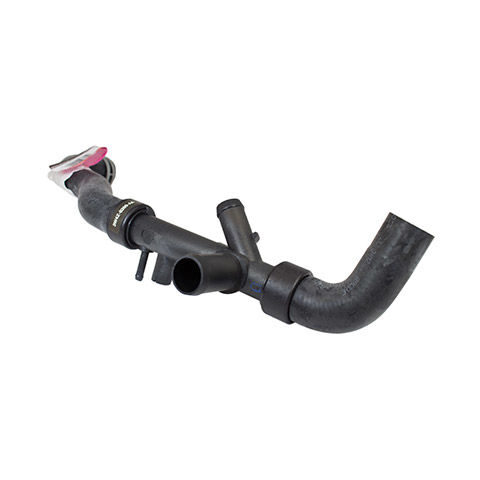
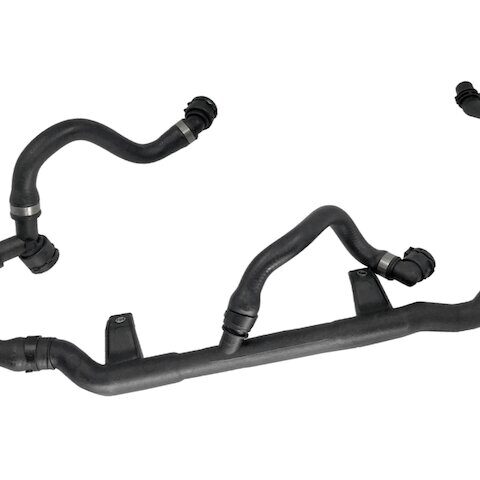
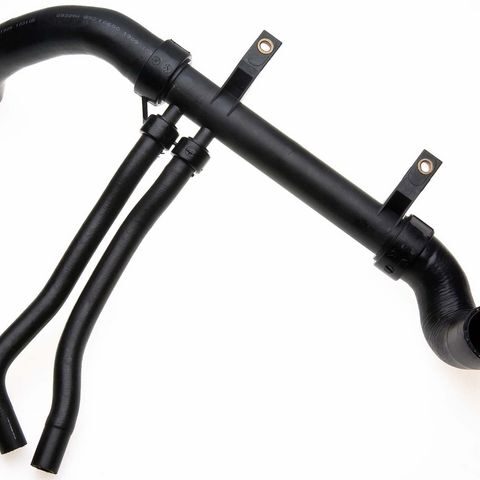
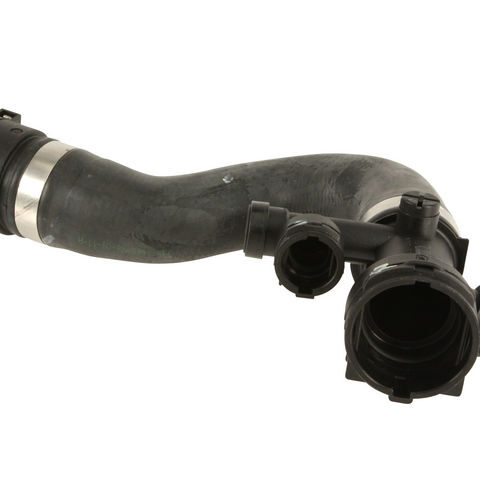
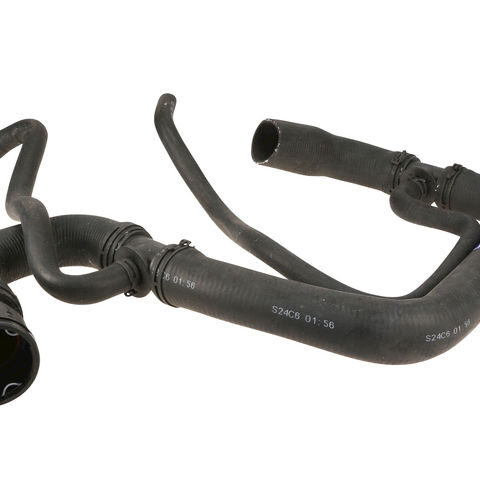
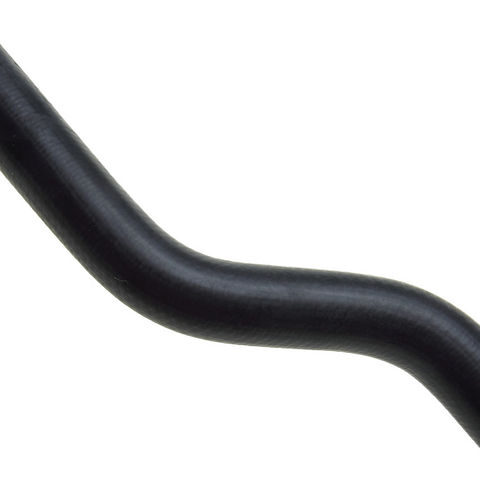
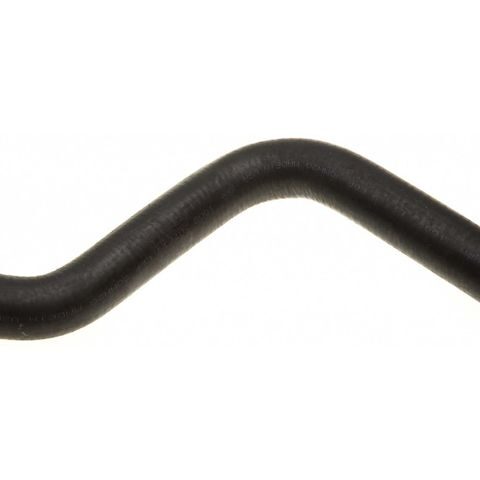
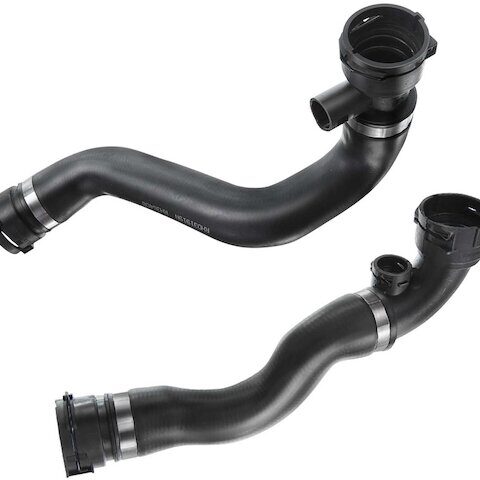
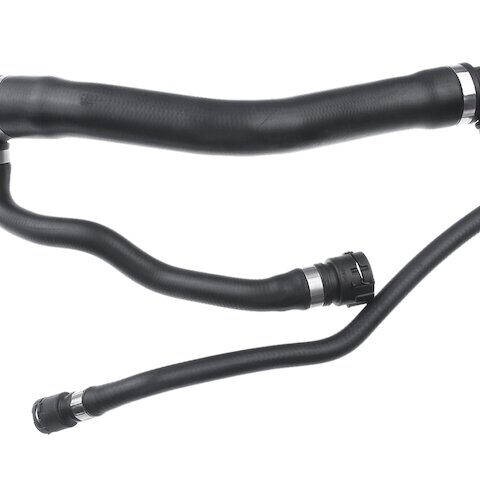
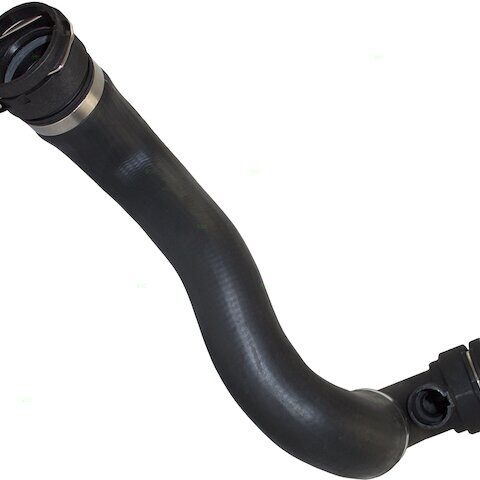
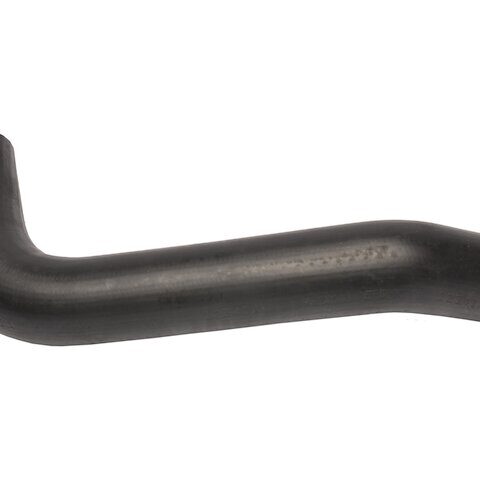
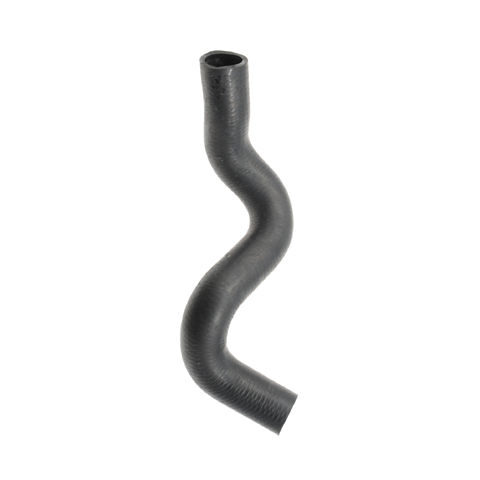
Hoses are sold by position: upper or lower. Most are molded to the exact bends your engine needs, so a straight universal hose is rarely a good match. Some vehicles, including several here, use modular hoses with branches or quick connect fittings built in.
Match the position and compare the shape and fittings with your old hose. Check the fitment table for engine size, since one model can use different hoses with different engines.
Replacing a radiator hose
Let the engine cool fully before you open the cooling system. Drain coolant into a clean pan. Old hoses can stick to their necks, so cut and peel a stuck hose rather than forcing it and cracking a plastic radiator neck.
Use new clamps unless your vehicle uses a specific clamp style. Refill with the right coolant, bleed air from the system, and check the clamps for leaks after the engine warms up.
Radiator Hose questions
How often should radiator hoses be replaced?
There is no single interval for every vehicle. Inspect hoses at each oil change and replace them when they turn soft, swollen or cracked. Many owners replace them when changing the coolant on an older vehicle.
Should I replace both radiator hoses at once?
If both are the same age and one has failed, the other is often close behind. Replacing both while the coolant is drained saves doing the job twice.
Can I drive with a leaking radiator hose?
A small seep can turn into a burst hose without warning. Driving low on coolant risks serious engine damage from overheating. Replace the hose before driving any distance.