Cooling System
Thermostat
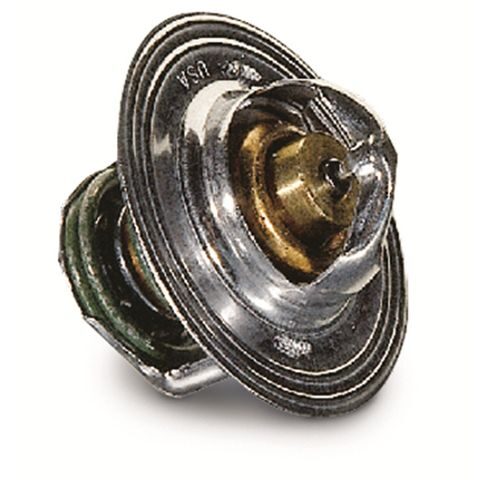
The thermostat controls when coolant flows to the radiator so your engine warms up quickly and runs at the right temperature. We list 39 thermostats from $5 to $170 for 1982-2021 vehicles, from AC Delco, Stant, Gates and Motorad, with a good range for the Chevrolet Silverado 1500 and S10.
Shop thermostat by vehicle
Signs of a bad thermostat
A thermostat stuck closed blocks coolant from reaching the radiator, and the engine overheats quickly. A thermostat stuck open lets coolant flow all the time, so the engine takes a long time to warm up, the heater blows lukewarm air and fuel economy drops.
A temperature gauge that swings up and down, or a check engine light for a coolant temperature below the expected range, can also point to a thermostat problem.
Opening temperature matters
Each thermostat is rated for the temperature at which it starts to open, such as 180, 187 or 195 degrees Fahrenheit. Use the rating your engine was designed for. A colder thermostat can stop the engine reaching full operating temperature and affect fuel trim and emissions.
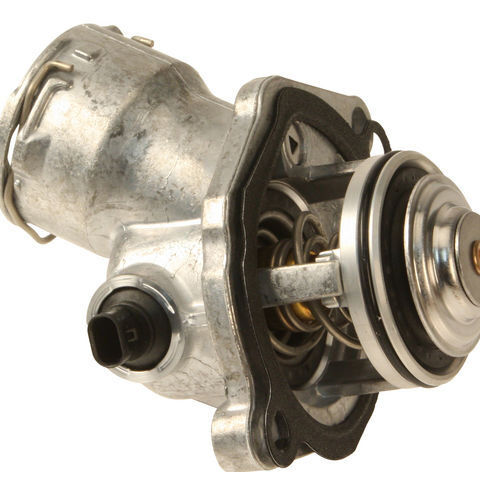
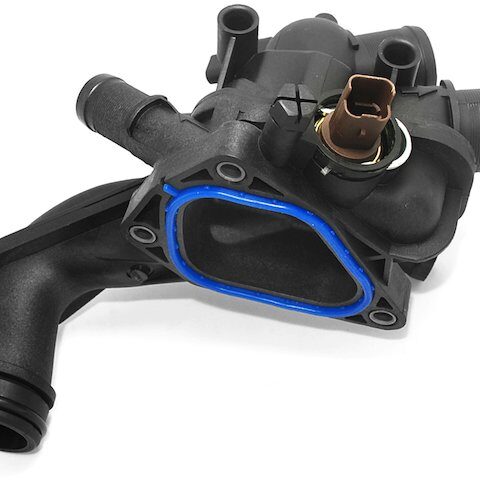
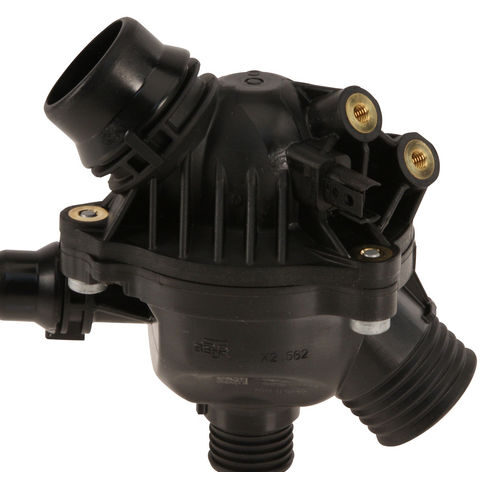
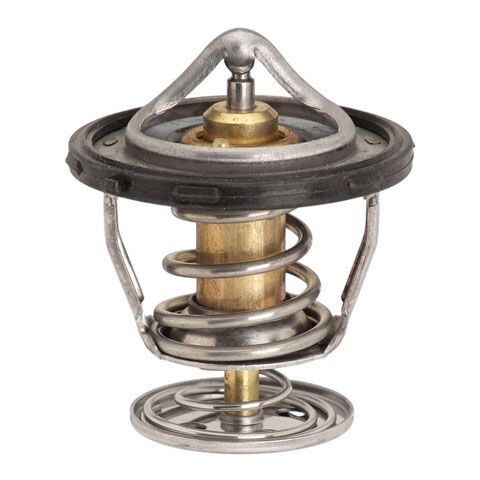
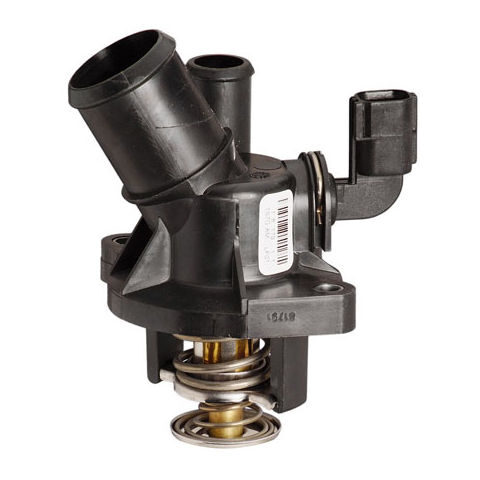
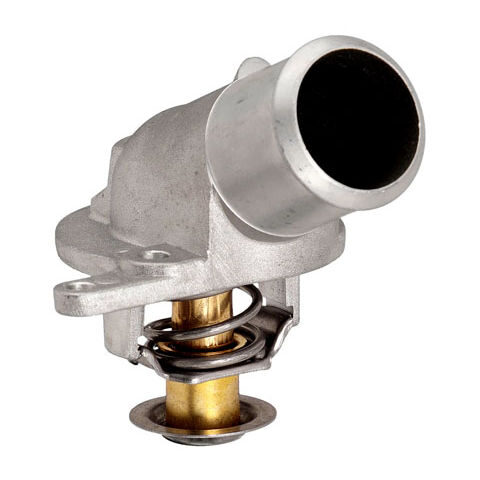
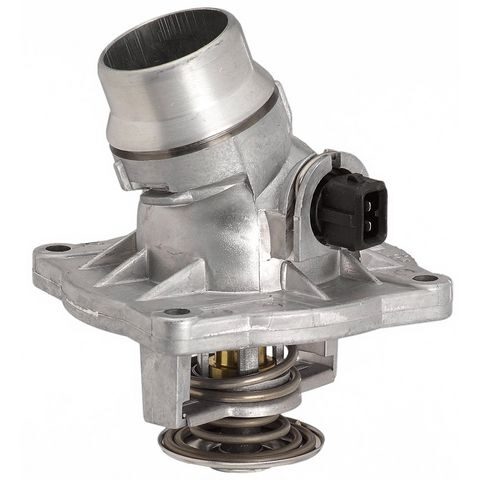
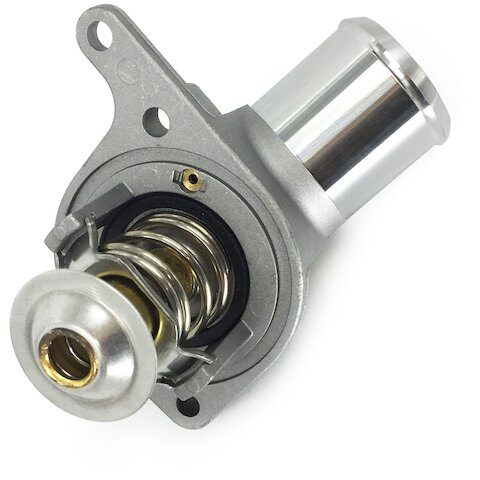
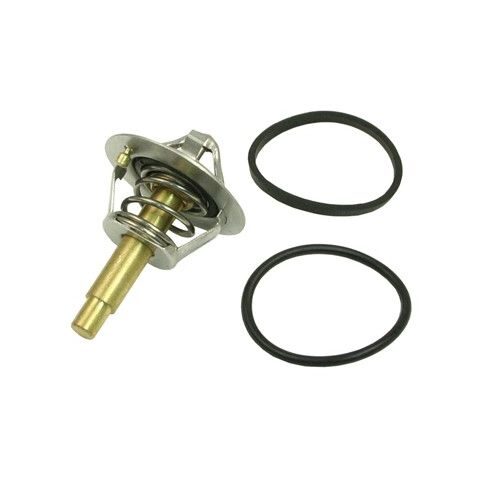
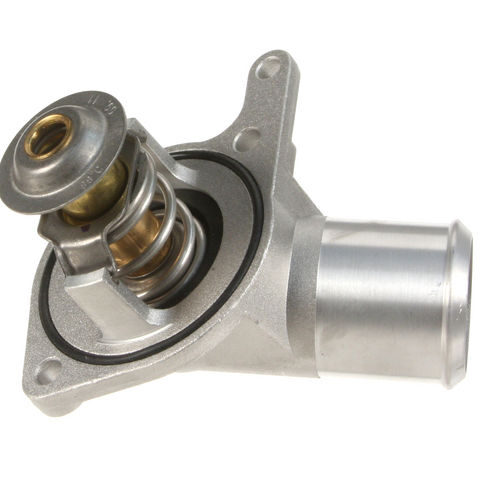
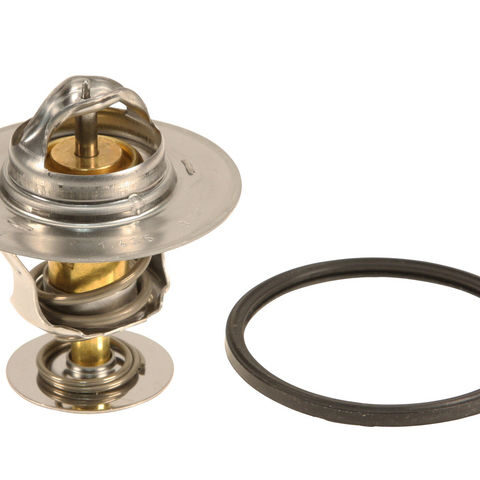
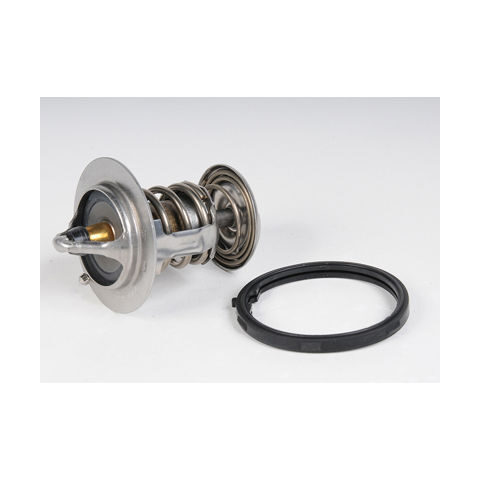
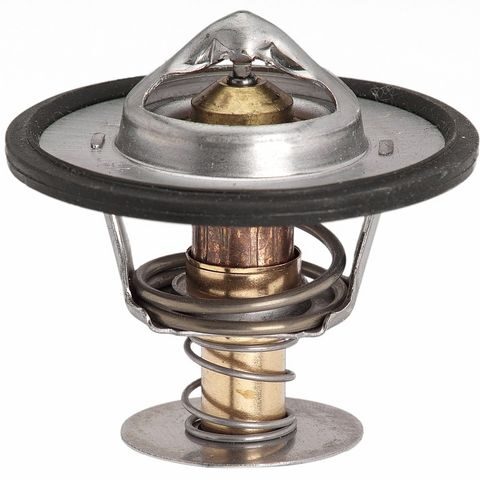
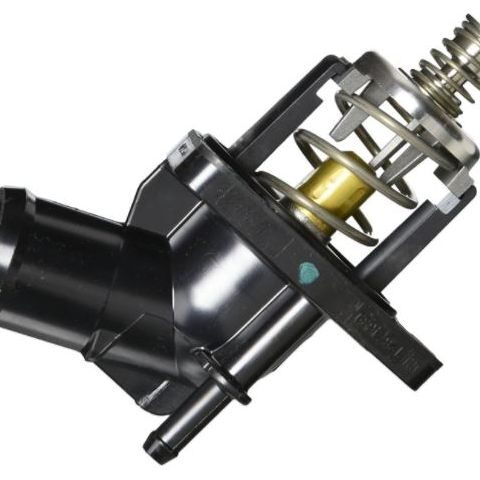
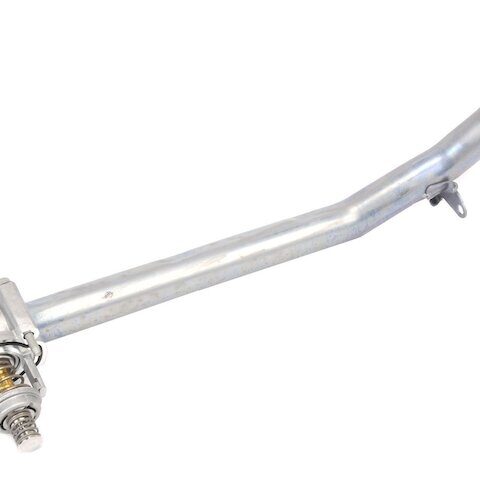
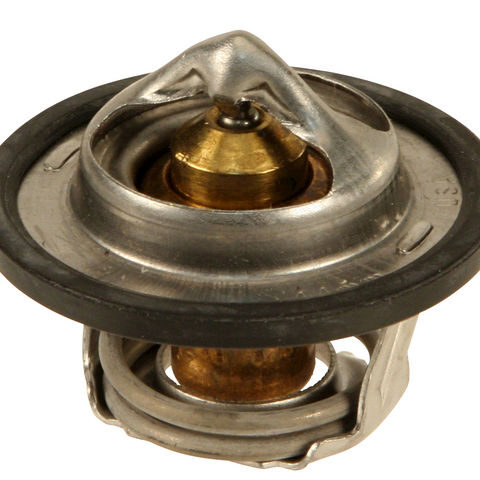
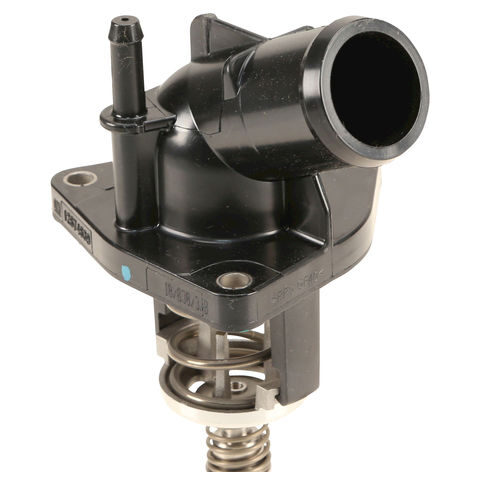
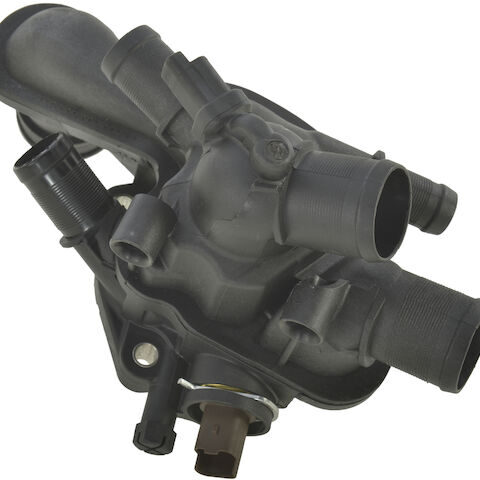
Some engines use a thermostat built into a housing, while others use a separate thermostat and gasket. Check the package contents to see whether a gasket or O-ring is included.
Replacement tips
Work only on a cold engine, because hot coolant is under pressure and can cause burns. Drain enough coolant to bring the level below the thermostat, then remove the housing.
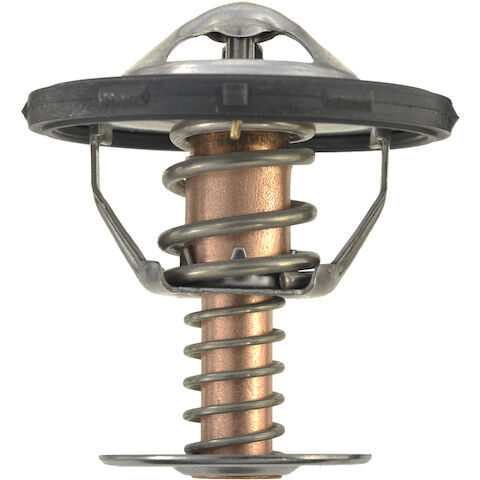
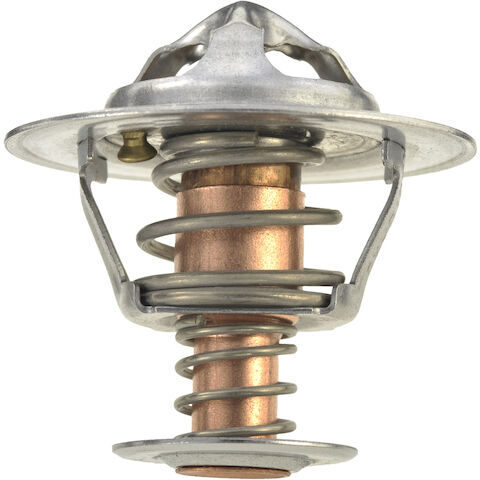
Install the new thermostat facing the same way as the old one, usually with the spring toward the engine. Refill and bleed air from the system as the factory procedure describes. Confirm your engine size in the fitment table before ordering.
Thermostat questions
Can I use a cooler thermostat than stock?
It is not recommended for daily drivers. Engine computers are set for a specific operating temperature, and a cooler thermostat can affect fuel economy, heater output and emissions.
Should I replace the thermostat gasket too?
Yes. Always use a new gasket or O-ring when you replace the thermostat. Reusing the old seal is a common cause of coolant leaks at the housing.
How do I know which way the thermostat goes in?
In most engines the spring side faces the engine and the flat side faces the radiator hose. Note the orientation of the old part when you remove it.