Engine Electrical
Alternator
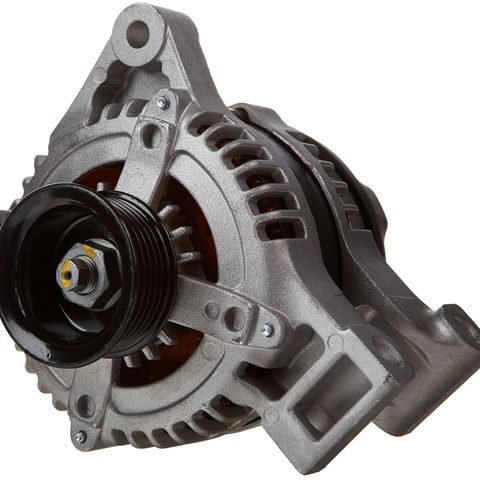
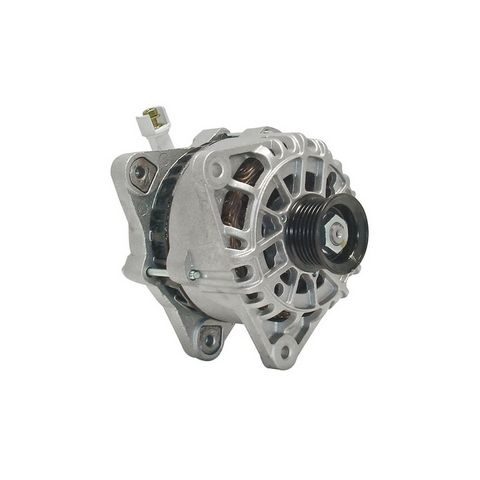
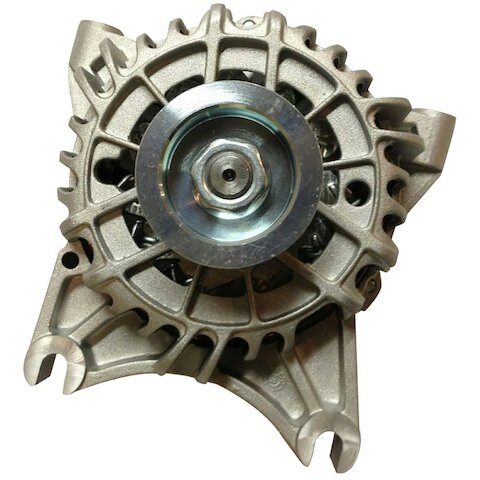
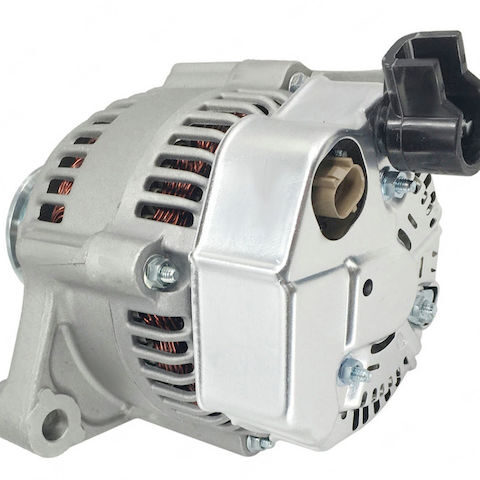
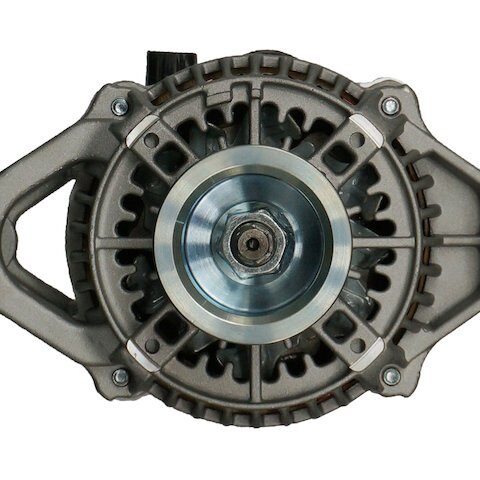
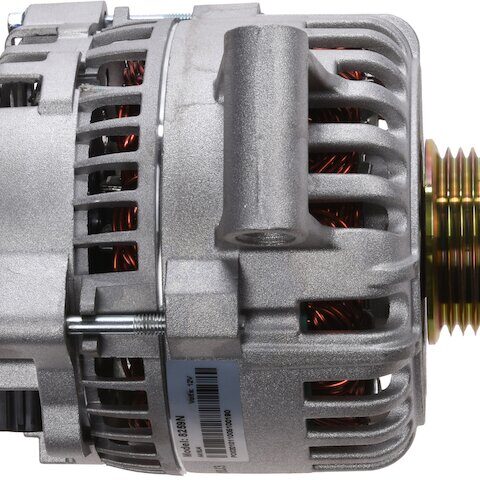
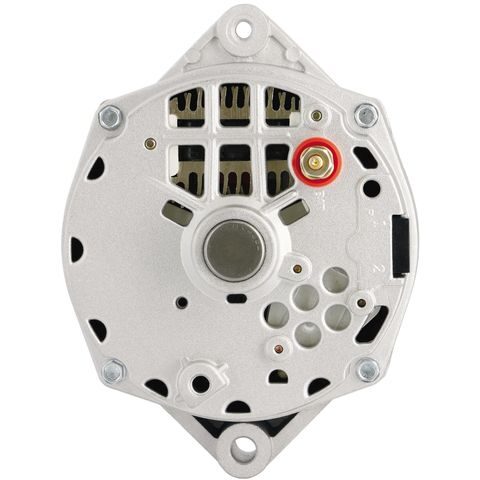
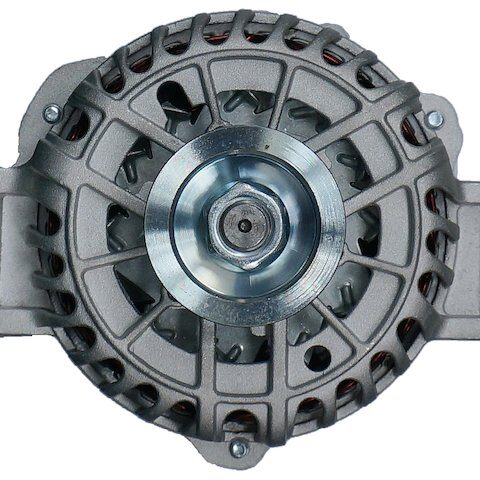
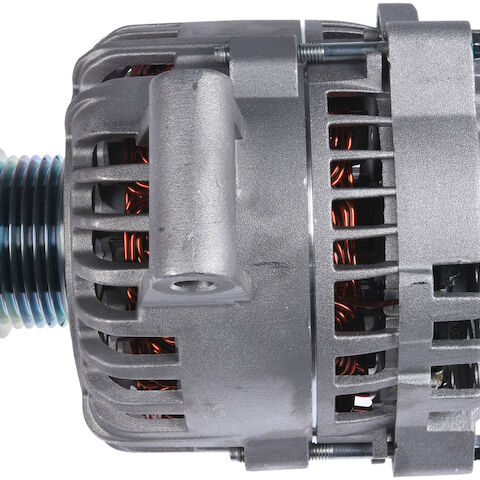
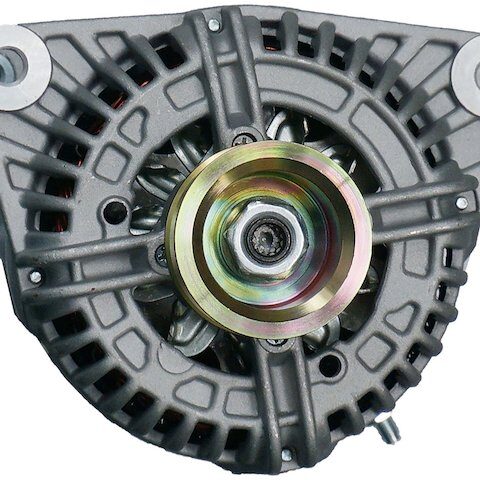
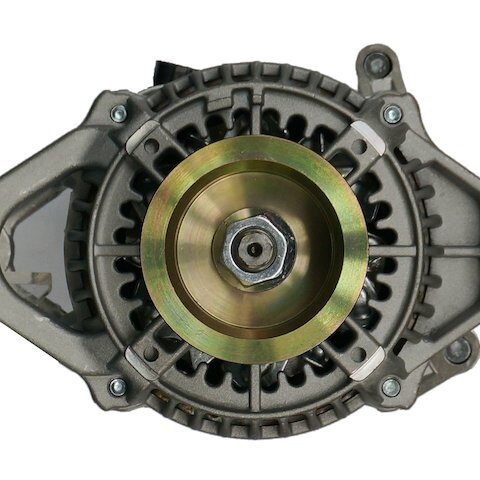
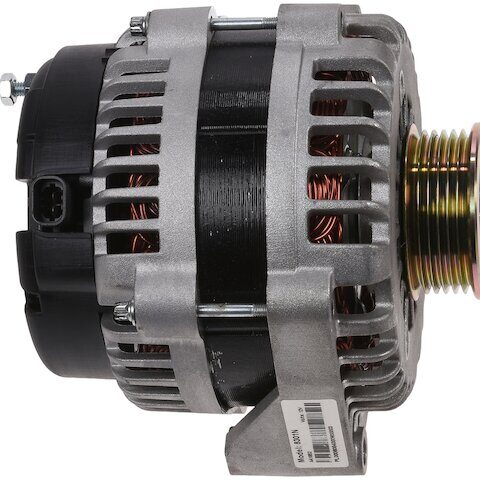
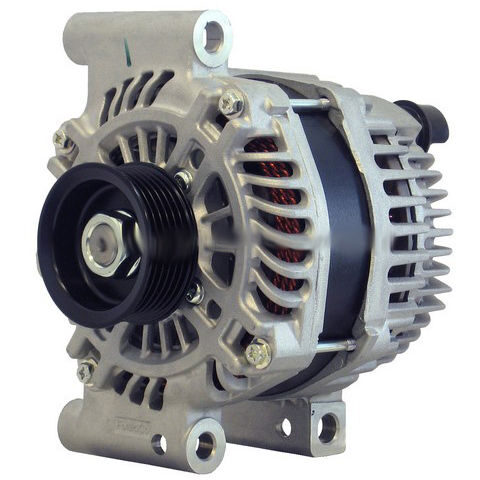
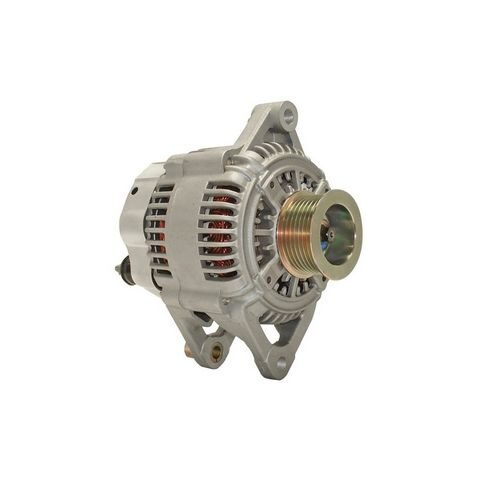
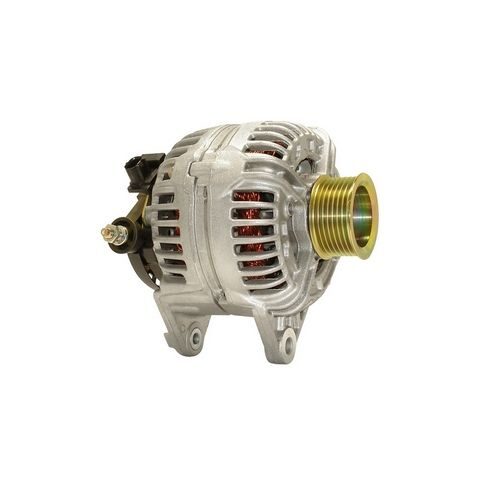
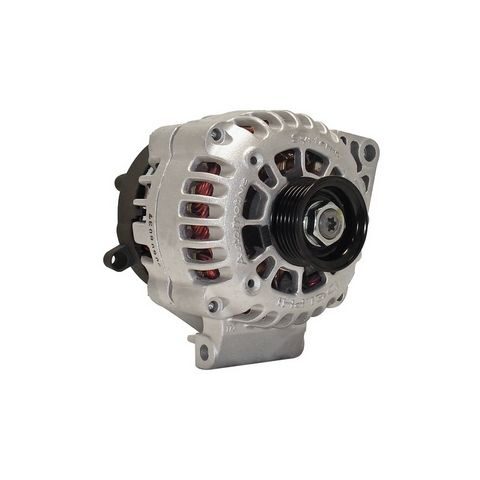
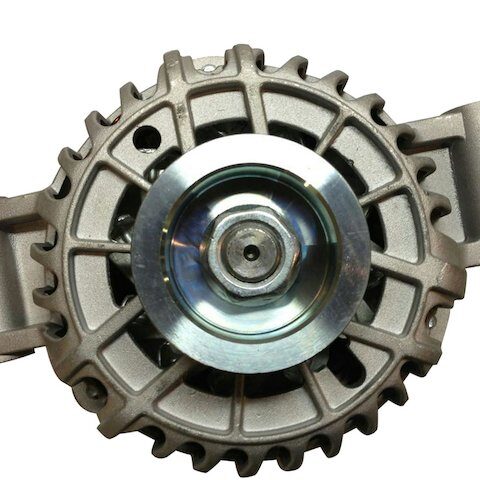
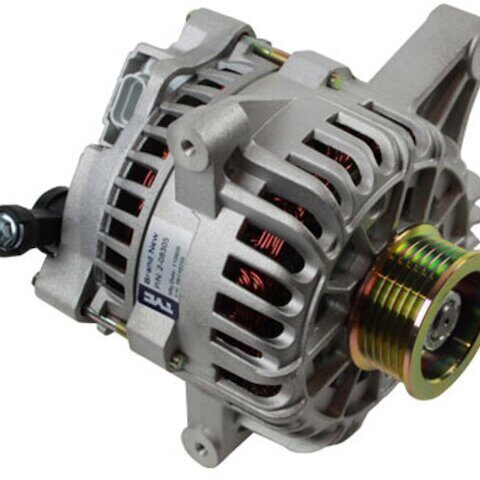
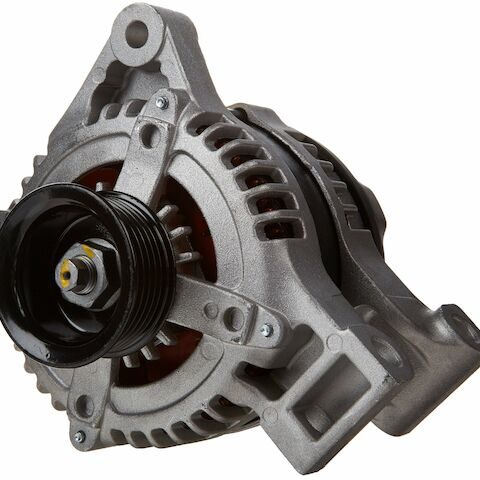
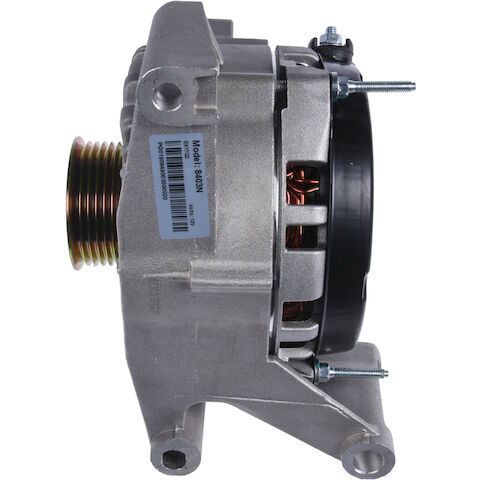
The alternator charges your battery and powers the electrical system while the engine runs. We list 214 alternators from $24 to $342 for 1972-2022 vehicles, with ratings from 75 amps to 150 amps. Chevrolet and Ford lead the list, with many options for the F250, Tahoe, Equinox, F350 Super Duty, Impala and Silverado 1500.
Shop alternator by vehicle
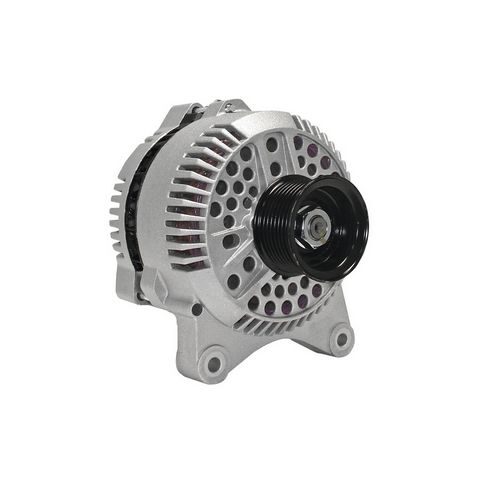
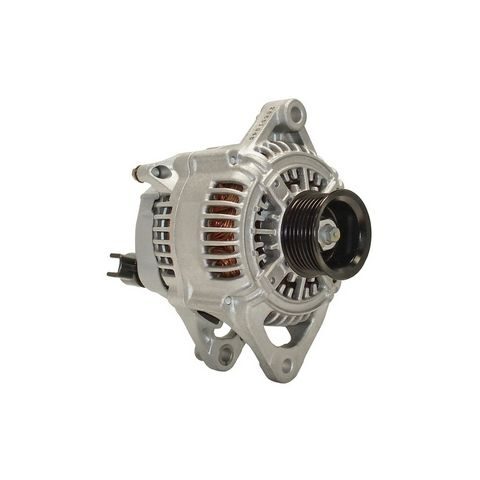
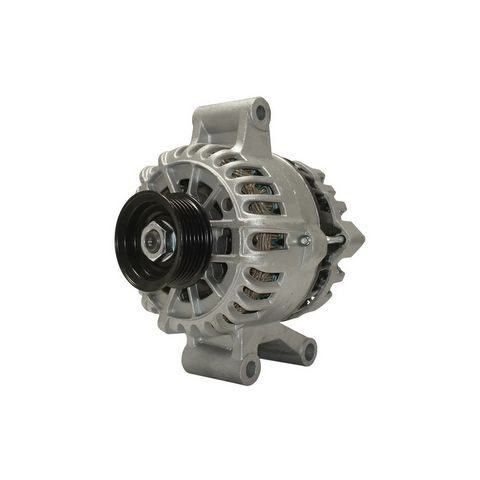
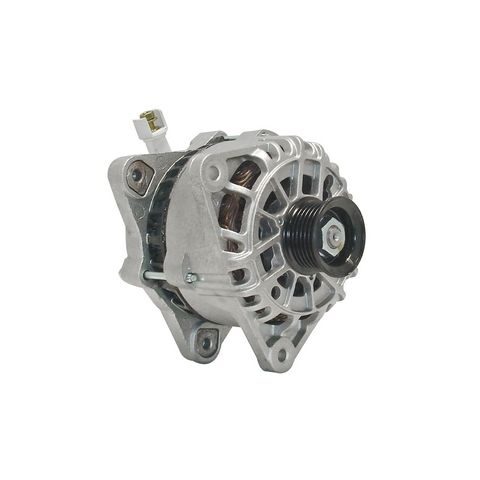
Signs of a failing alternator
The engine belt spins the alternator, which produces current to run lights, electronics and the ignition, and to recharge the battery.
Warning signs include a battery or charging light on the dash, dim or flickering headlights, a battery that keeps going flat, a whining or grinding noise from the alternator, and a burning smell. With the engine running, a healthy charging system usually reads about 13.5 to 14.7 volts at the battery. Have the battery tested too, since a bad battery can make a good alternator look faulty.
Matching amperage and pulley
Many vehicles were offered with more than one alternator, depending on options such as towing packages, heavy duty electrical systems or rear air. Match the amp rating to your original or the factory option. Going lower can leave the system short of power.
Listings note whether a pulley is included. Compare the pulley type, mounting ears and connector layout with your old unit. Some trucks with dual alternators have upper and lower positions. Brands here include Pure Energy, AC Delco, API, Bosch and Remy.
Install tips
Disconnect the negative battery cable first, since the alternator output wire is live at all times. Photograph the belt routing, then release the tensioner.
Read the fitment table for engine size and amperage, and compare the part number on your old alternator. Fit the new unit, tighten the output nut firmly but not too hard, and check belt alignment. Charge the battery fully before testing, as a new alternator is not meant to recover a deeply flat battery.
Alternator questions
How do I know if it is the alternator or the battery?
Test the battery first at a known good charge. Then check voltage with the engine running. If it stays near battery voltage, around 12.6 volts or lower, the alternator is likely not charging.
Can I install a higher amp alternator?
Often yes, if one is listed for your vehicle and the wiring is rated for it. The alternator only supplies the current the system draws.
Should I replace the belt with the alternator?
If the belt is cracked, glazed or has high mileage, replace it at the same time. A slipping belt can cause low charging even with a new alternator.