Engine Electrical
Variable Timing Solenoid
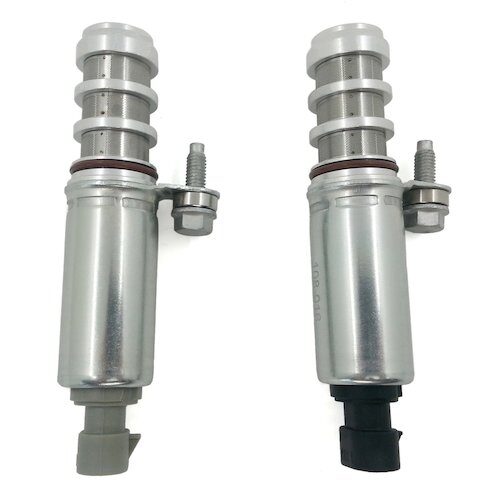
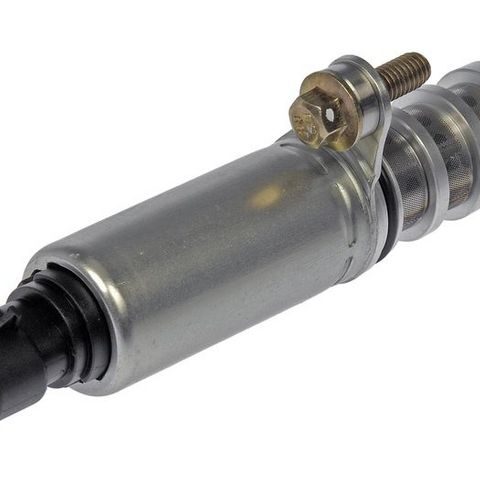
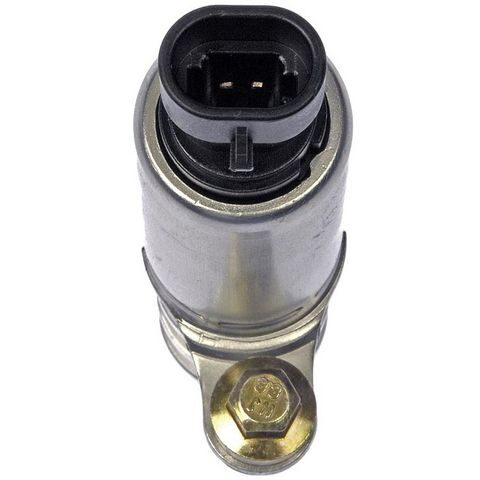
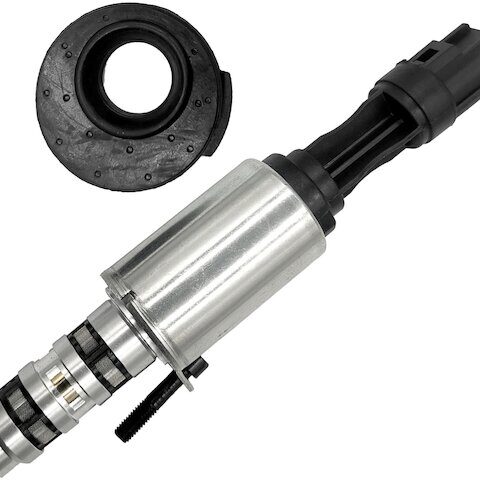
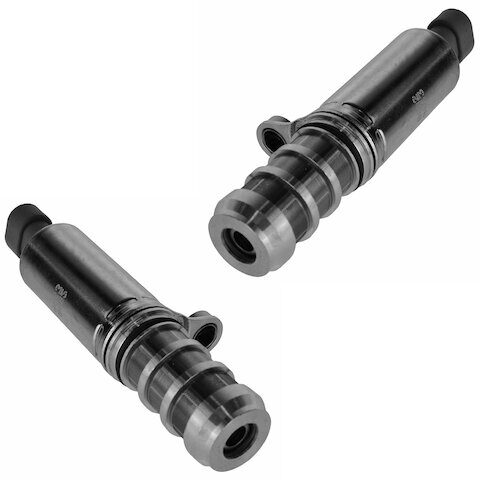
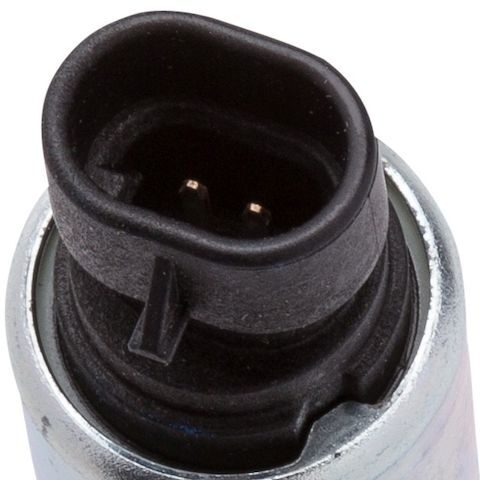
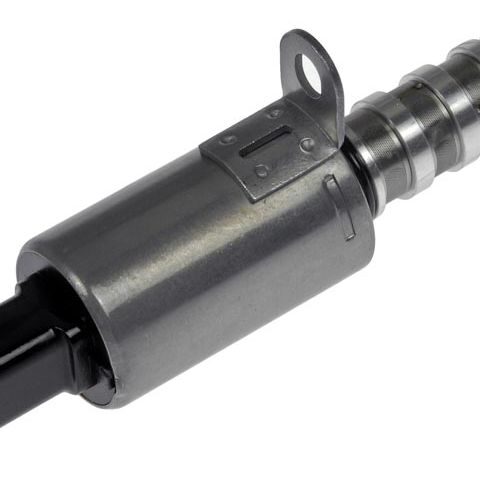
A variable timing solenoid, often called a VVT solenoid or oil control valve, directs oil pressure to adjust camshaft timing while you drive. We list 33 solenoids from $22 to $263 for 1998-2022 vehicles, from Standard Motor Products, Dorman, Gates and AC Delco, with many for the Chevrolet Malibu and Silverado 1500.
Shop variable timing solenoid by vehicle
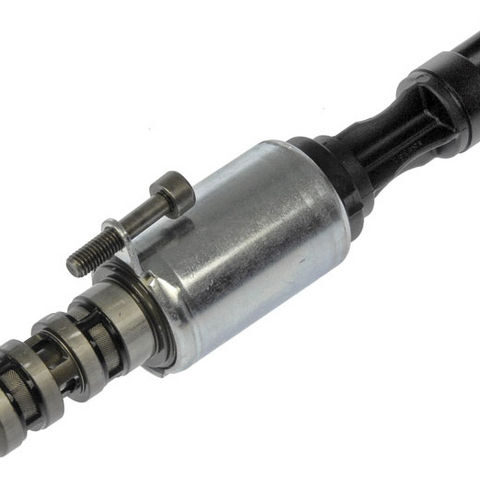
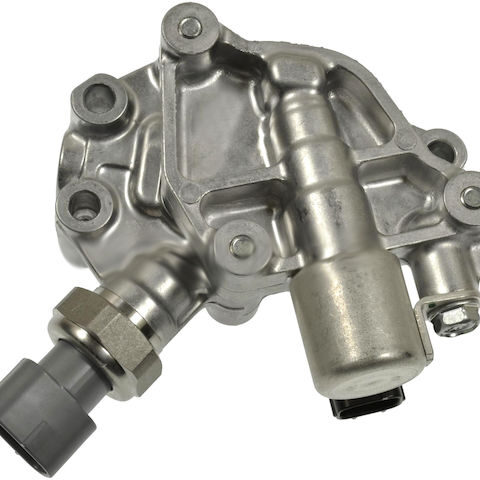
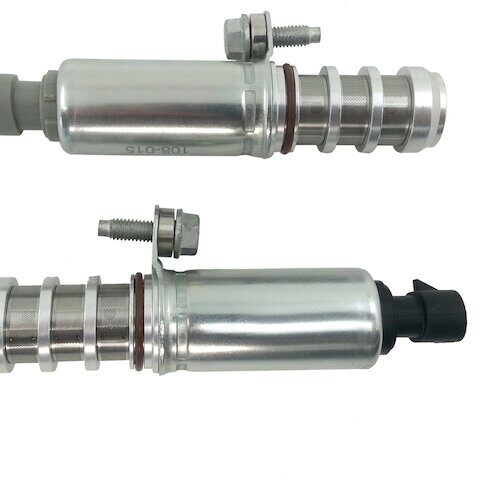
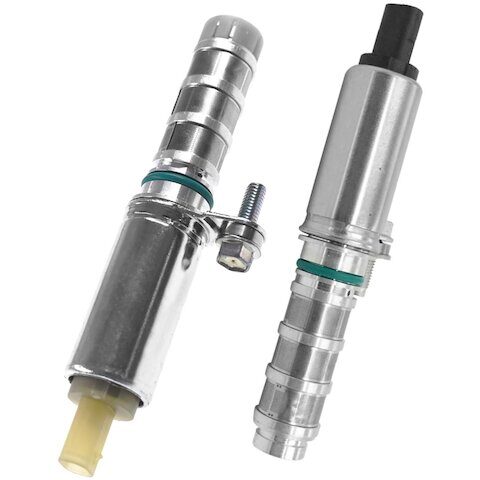
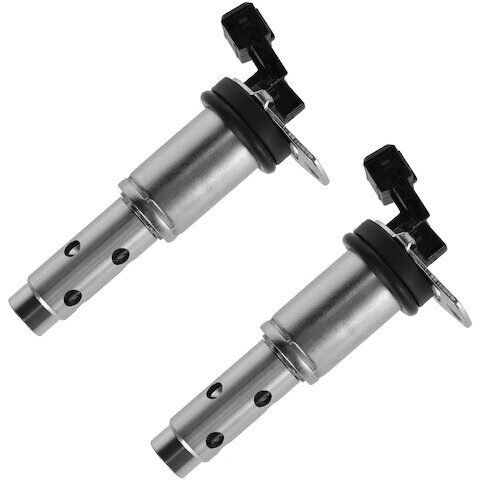
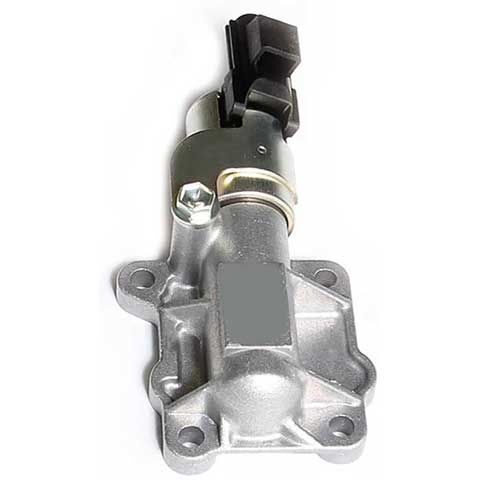
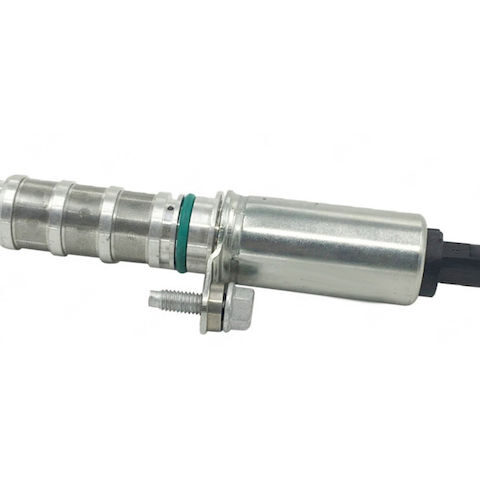
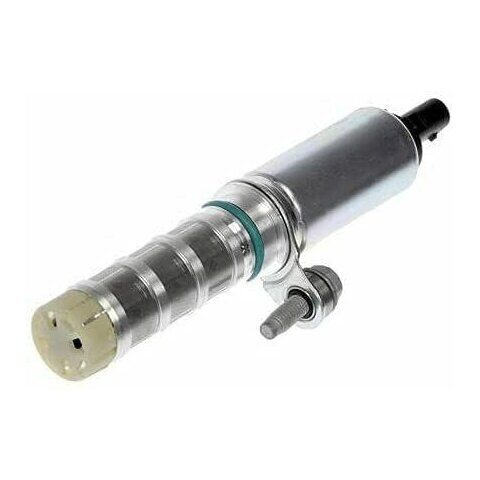
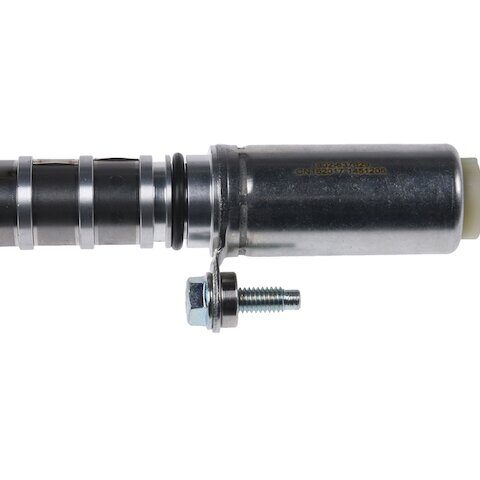
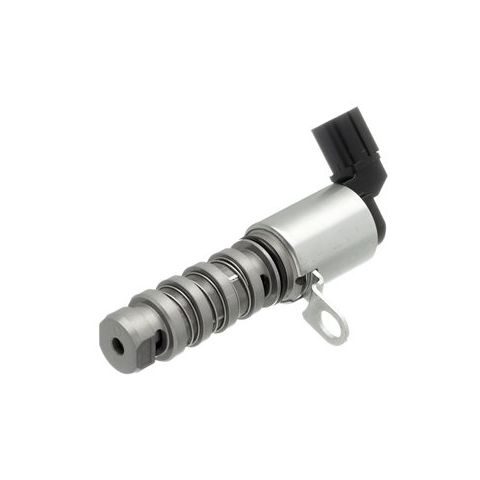
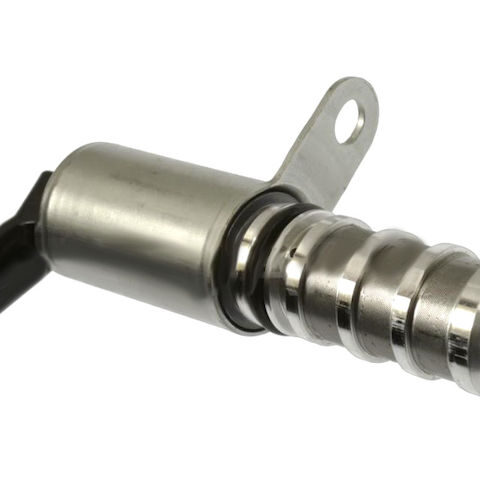
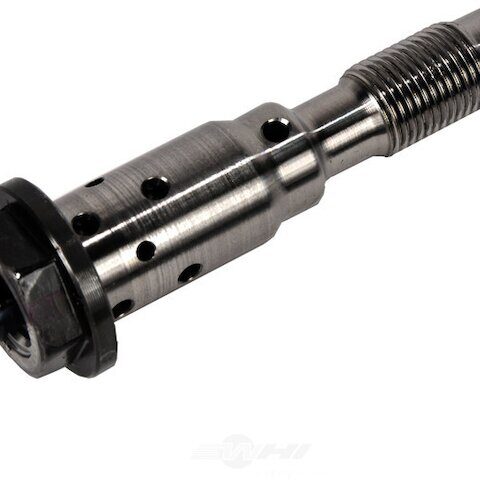
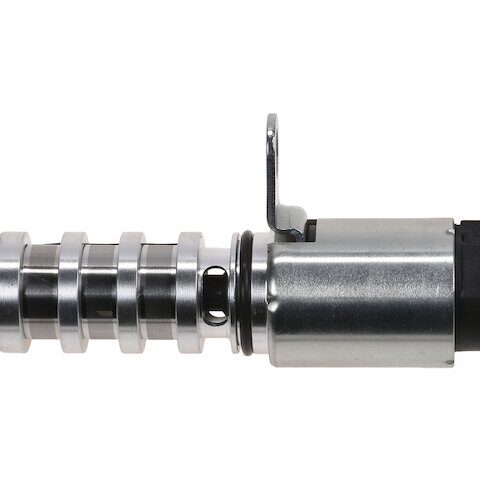
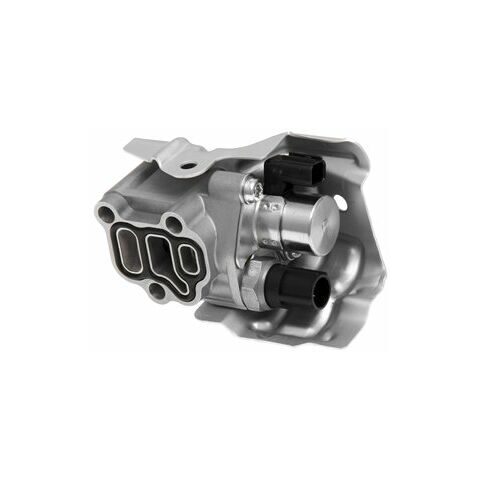
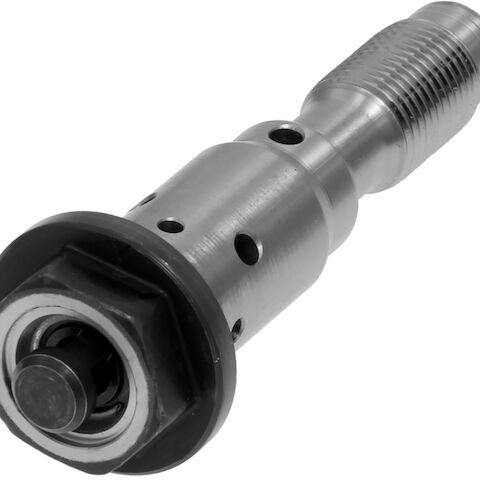
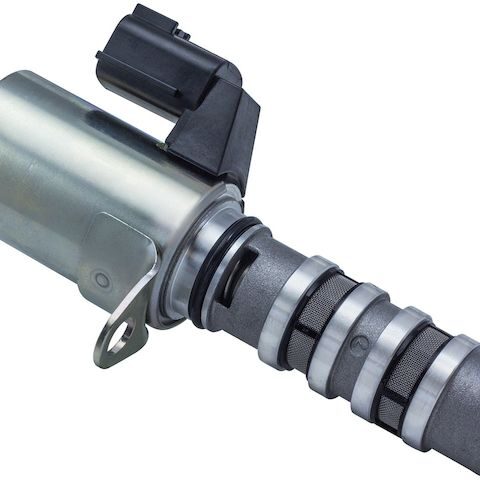
Signs of a bad VVT solenoid
The engine computer uses the solenoid to advance or retard the camshaft for better power and fuel economy. When the solenoid sticks or its screen clogs with sludge, the cam cannot move as commanded.
Common signs are a check engine light with camshaft position or timing codes, rough idle, reduced power, poor fuel economy and sometimes a rattle from the front of the engine. Low or dirty oil causes many of these faults.
Intake, exhaust and position
Engines with variable timing on both camshafts have separate intake and exhaust solenoids. V engines may have one for each bank. Listings show positions such as intake, exhaust, right or spool valve.
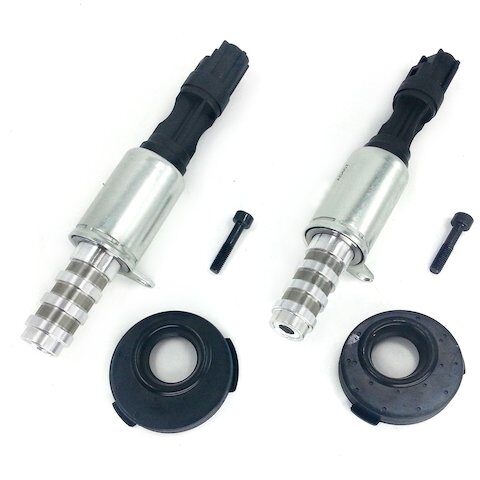
Some listings include a gasket, screw or O-ring, and one kit contains both intake and exhaust solenoids. Match the code you read to the correct solenoid, because codes usually name the bank and camshaft.
Before and after replacement
Check the oil level and condition first. If the oil is low or sludgy, change it and recheck. A clogged screen in the oil passage can cause the same codes.
Most solenoids are held by one bolt and are easy to reach. Use a new seal and lightly oil the O-rings. Clear the codes and test drive. Confirm your engine in the fitment table, since engines in the same model can use different solenoids.
Variable Timing Solenoid questions
Can low oil cause VVT solenoid codes?
Yes. The solenoid uses engine oil pressure to move the camshaft. Low, old or wrong grade oil can set timing codes without a failed solenoid.
Should I replace both intake and exhaust solenoids?
Only if both are faulty or the codes point to both. If one has failed from sludge, the other may be close behind, so many owners replace them together.
Is a VVT solenoid easy to replace?
On many engines it is held by one bolt on the front of the head or timing cover. Disconnect the connector, remove the bolt and pull it out.