Engine Mechanical
Engine Mount
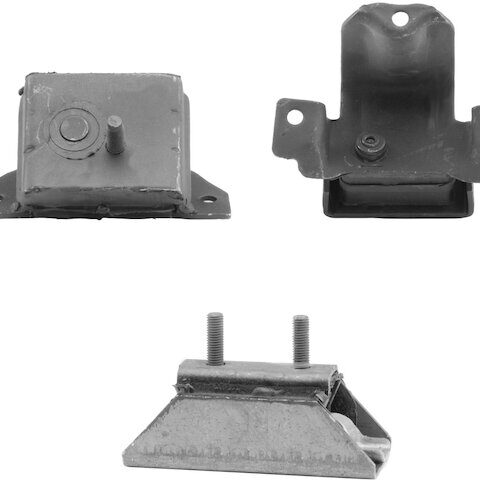
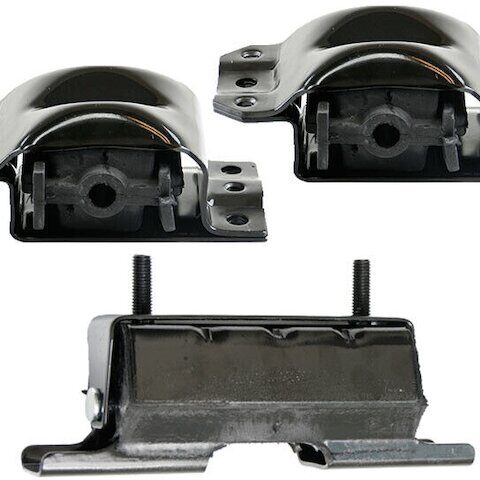
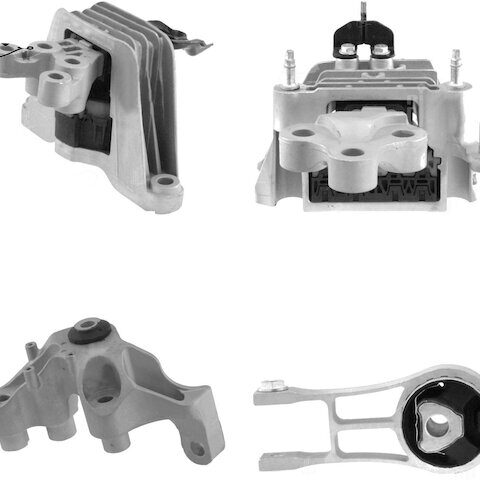
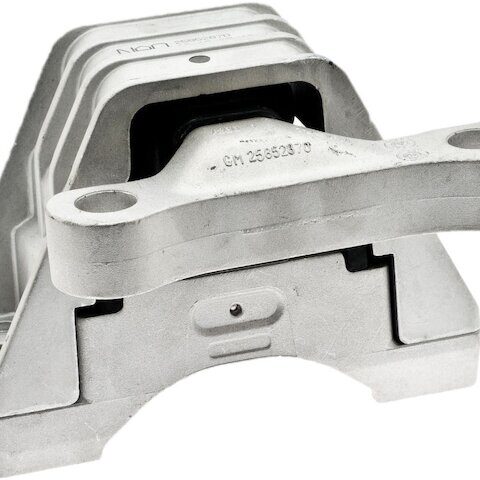
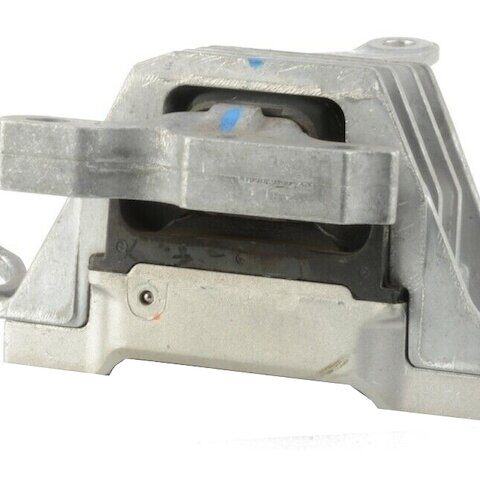
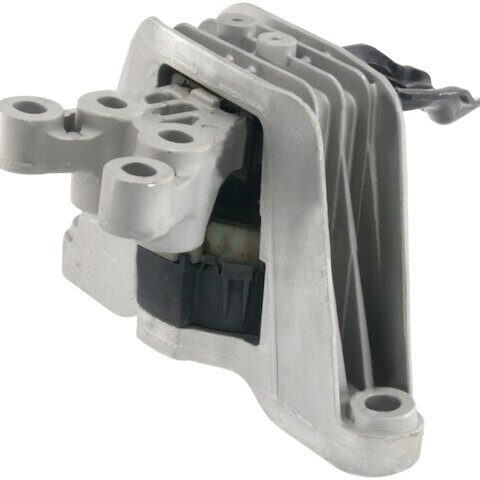
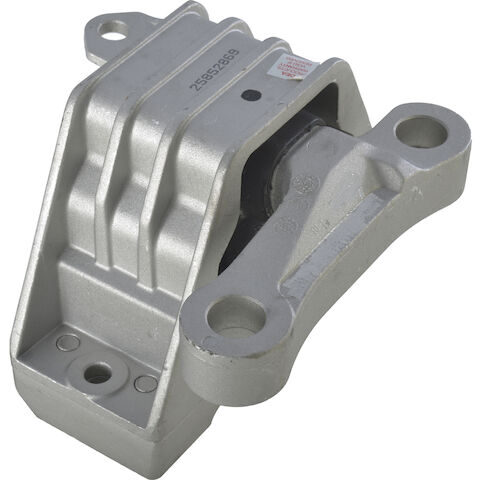
An engine mount holds the engine to the frame or subframe and uses rubber or fluid to absorb vibration. We carry 35 engine mounts from $27 to $218 for 1983-2024 vehicles, from Anchor, Westar and others, with fits for the Chevrolet Malibu and Impala, Honda Civic, Ford F150, Chrysler Pacifica and Toyota Avalon.
Shop engine mount by vehicle
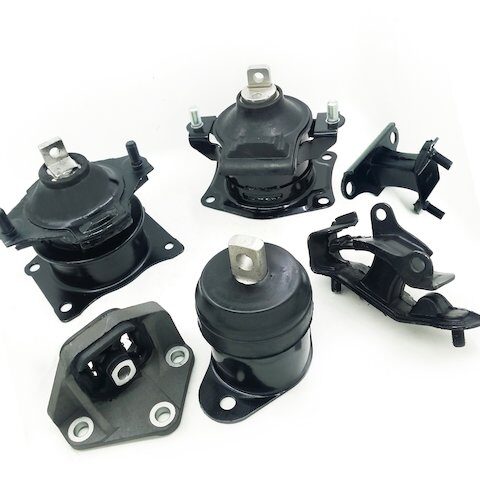
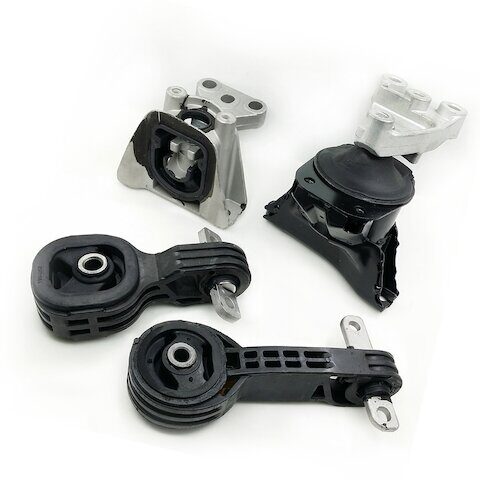
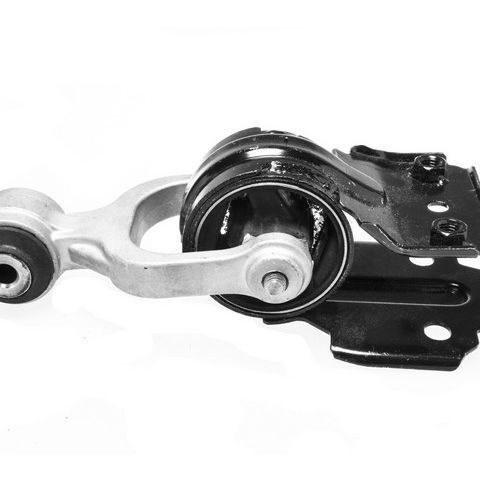
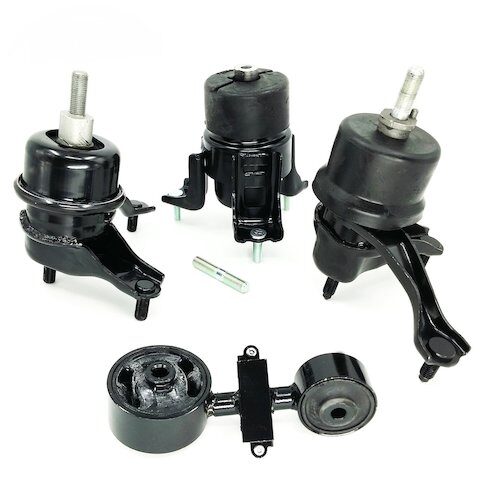
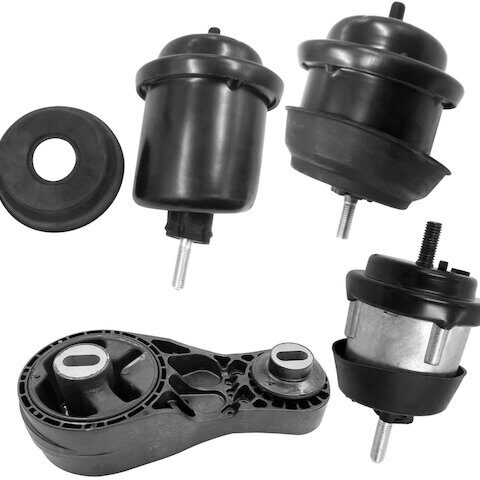
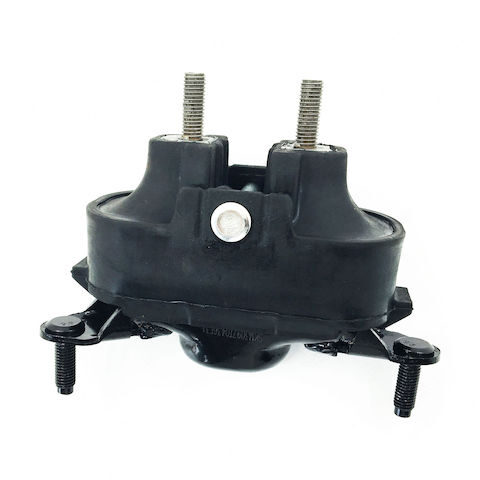
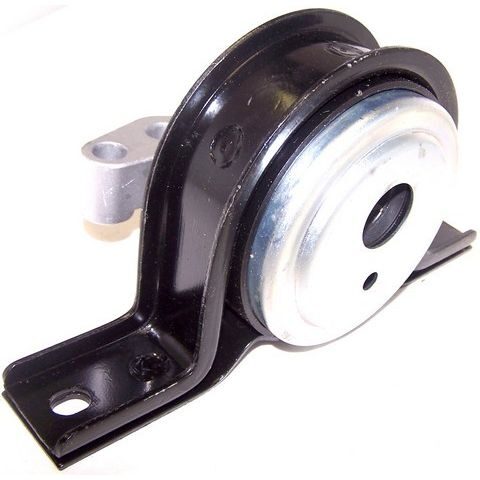
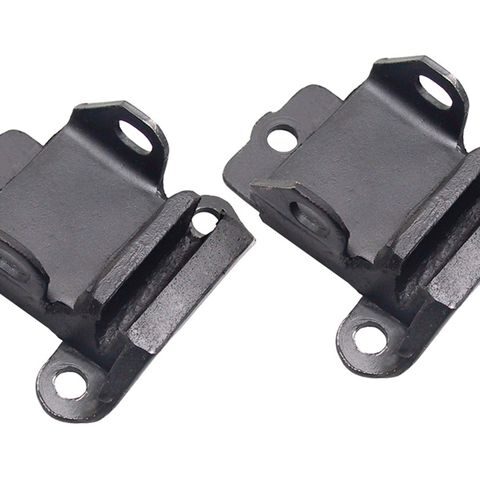
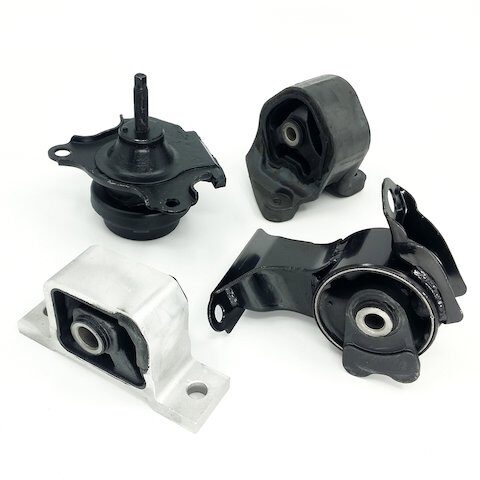
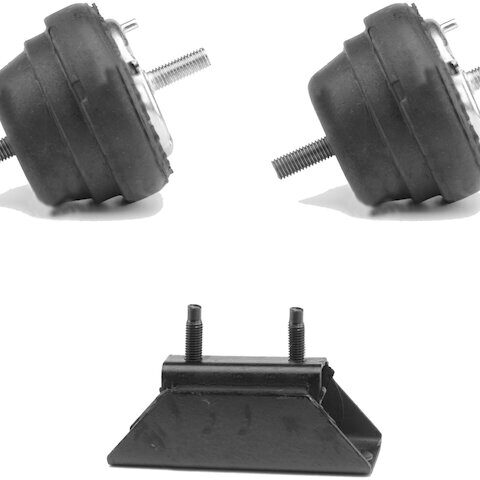
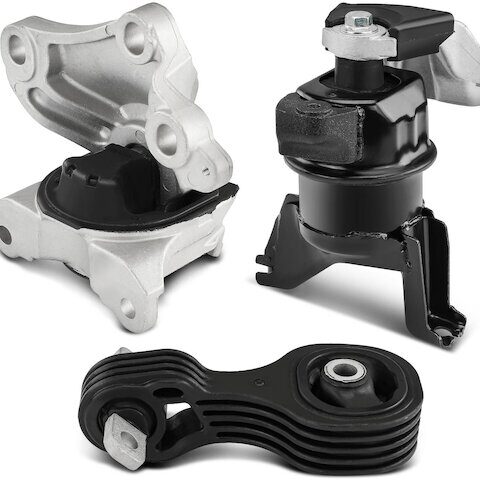
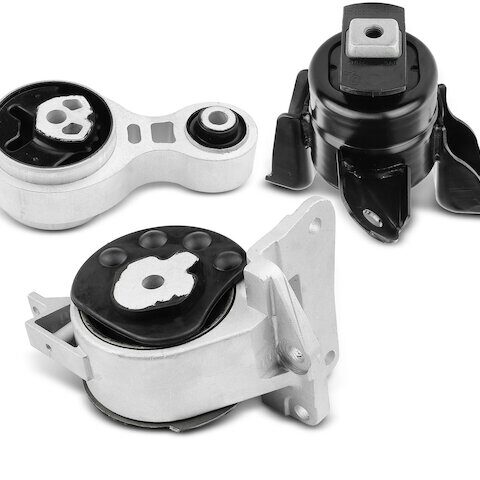
Autopart Premium Engine Mount and Transmission Mount Kit APEM564
Fits 2012–2013 models
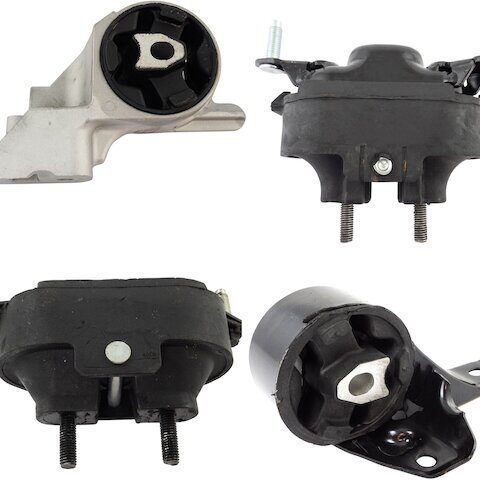
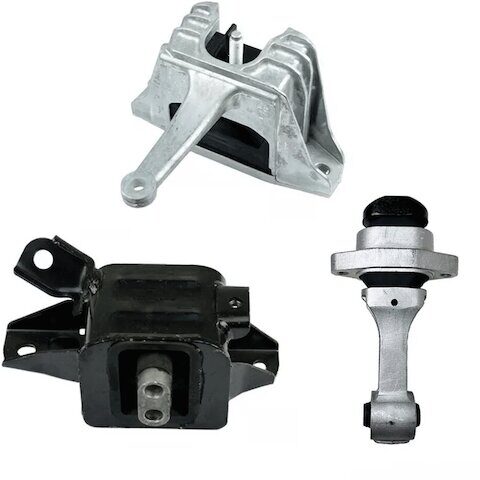
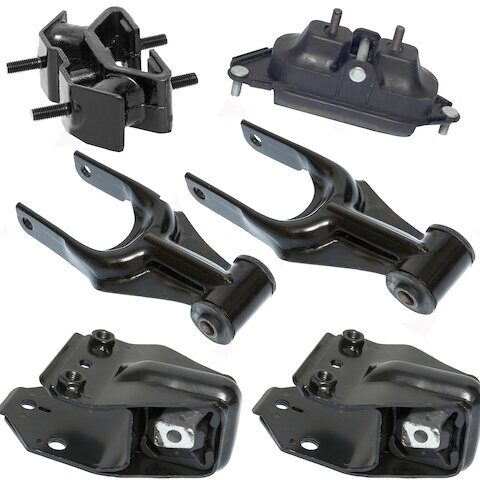
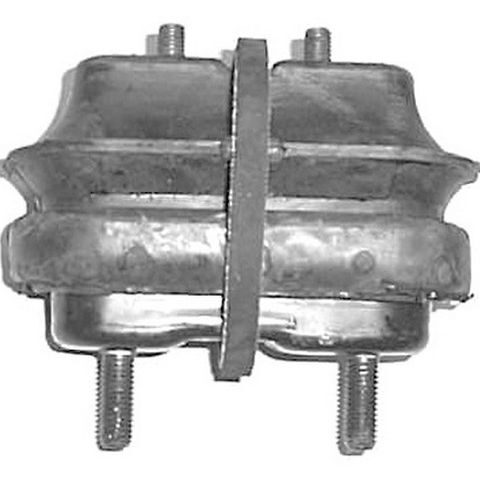
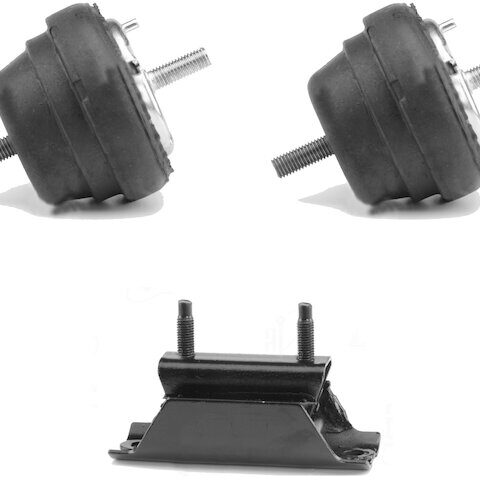
Autopart Premium Engine Mount and Transmission Mount Kit APEM155
Fits 2010–2012 models
Signs of worn mounts
As the rubber hardens and cracks, more engine vibration reaches the cabin. Common signs include heavy vibration at idle, especially in drive, a clunk or bang when you shift into gear or accelerate, and an engine that rocks noticeably when you rev it. Hydraulic mounts can leak dark fluid when they fail. Look for split rubber, a mount that has collapsed, or metal parts touching that should be separated by rubber.
Single mount or full kit
Positions include front, front right, front upper, right, rear left, and front and rear. Many engines use several engine and transmission mounts plus a torque strut. Kits in this category bundle these, such as a front motor mount, a transmission mount and a torque strut mount, and some include a hydraulic mount with bracket. When one mount fails, the others take more load, so replacing them as a set often makes sense on a high-mileage vehicle.
Replacing mounts safely
Choose your year, make and model and check the fitment table for engine, transmission and drive type. Support the engine from below with a jack and a block of wood under a strong point, or use an engine support bar, before you remove a mount. Replace one mount at a time so the engine stays in position. Never put your hands between the engine and the frame while it is supported only by a jack. Torque the bolts to the service manual values.
Engine Mount questions
How do I know if my engine mount is bad?
With the hood open and a helper standing clear, watch the engine while the vehicle is shifted gently between drive and reverse with the brake held firmly. Large movement or a clunk points to a worn mount. Cracked rubber or fluid leaks confirm it.
Should I replace all engine mounts at once?
Not always, but worn mounts put extra stress on the rest. On older or high-mileage vehicles, a kit that replaces the engine and transmission mounts together can save labor and restore smoothness.
Can bad engine mounts cause vibration at idle?
Yes. Worn mounts let engine vibration pass into the body, which you feel through the seat, floor and steering wheel. The vibration is often worse in drive with the brake held.