Fuel Injection
Oxygen Sensor
An oxygen sensor measures how much oxygen is left in the exhaust so the engine computer can keep the air and fuel mix correct. We list 35 oxygen sensors from $21 to $168 by Autopart Premium, DriveBolt, TRQ, AC Delco and Denso, sold as single sensors or sets of two and four.
Shop oxygen sensor by vehicle
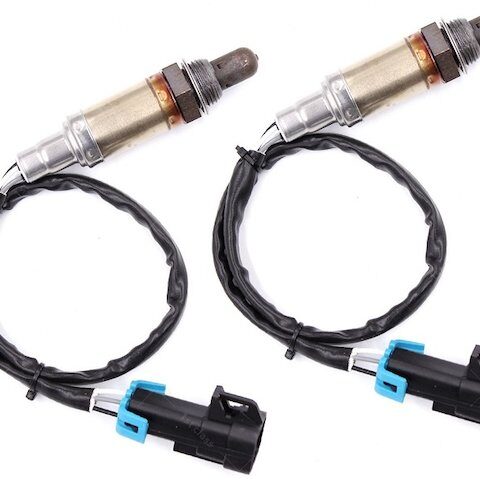
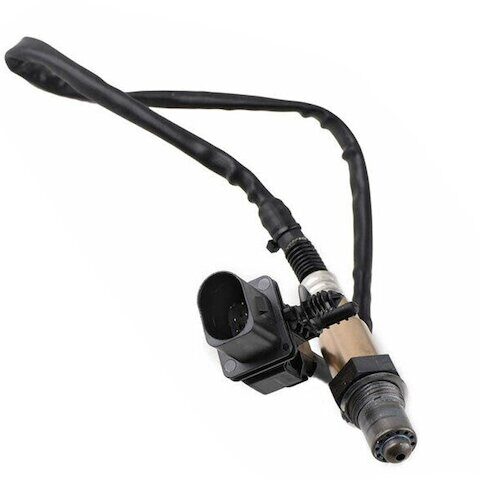
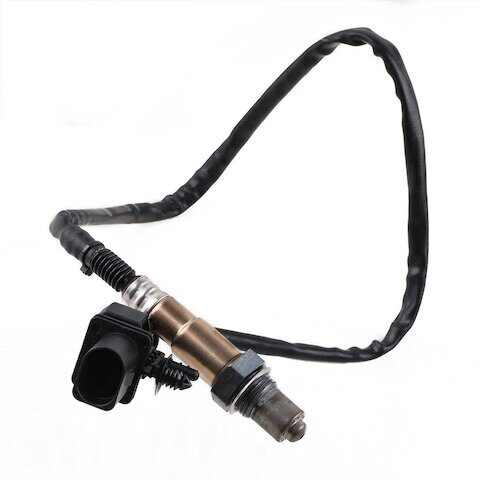
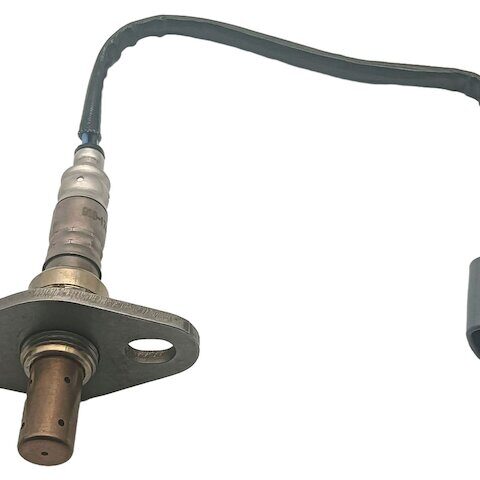
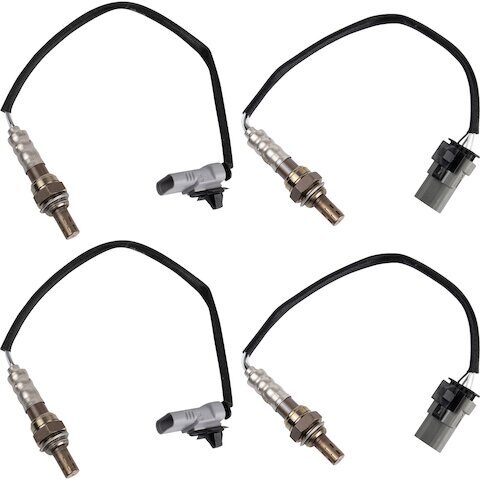
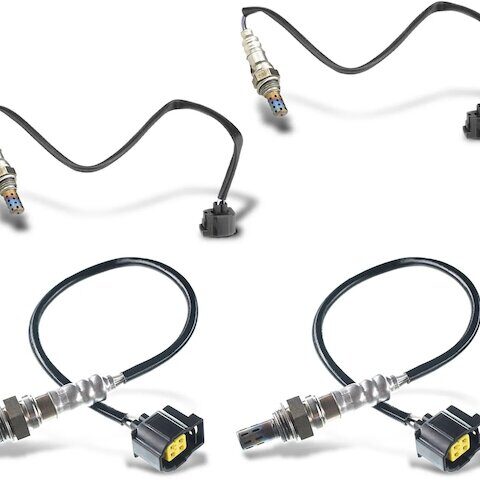
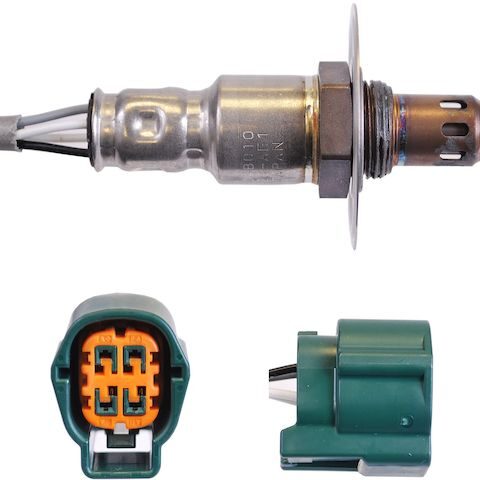
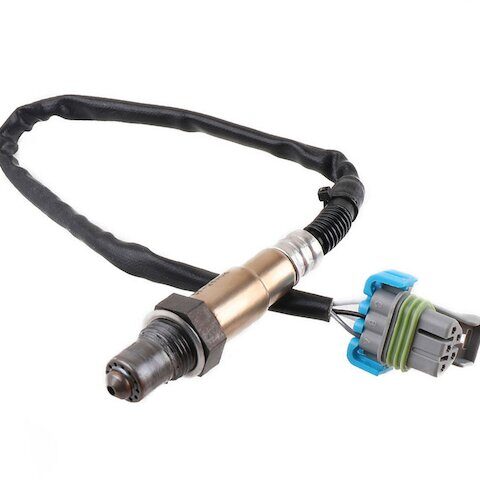
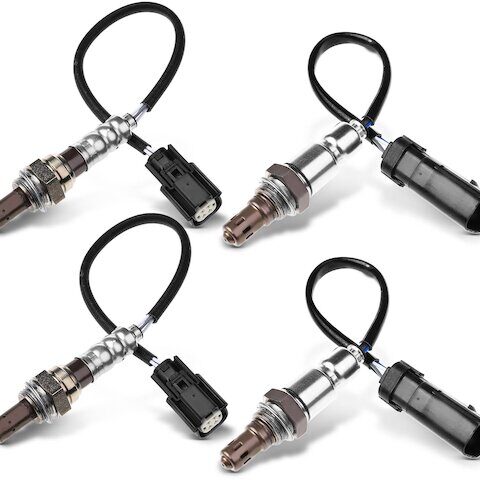
Autopart Premium Upstream & Downstream Oxygen Sensor Kit APOS0918
Fits 2011–2014 models
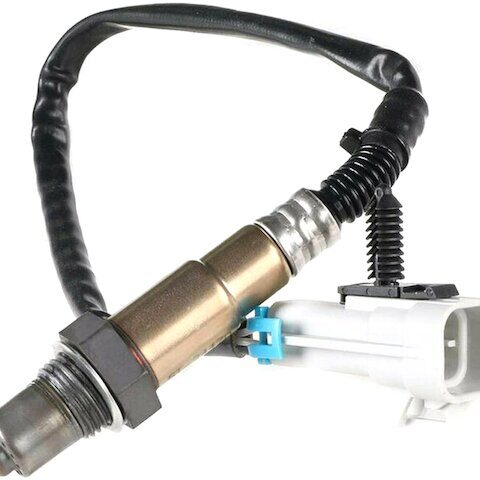
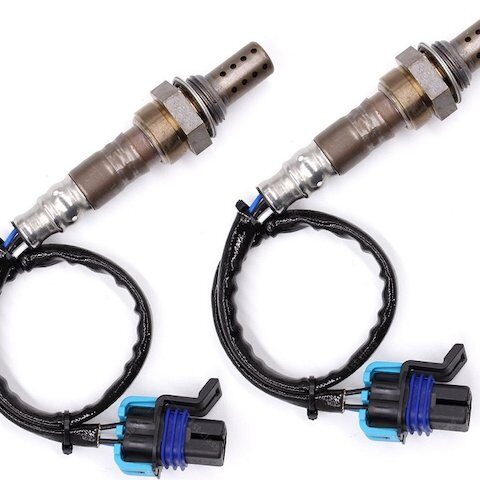
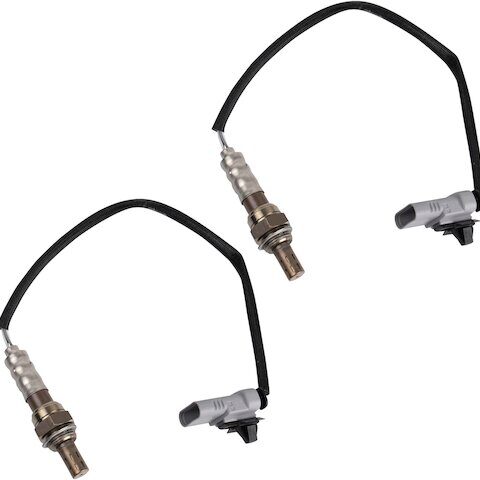
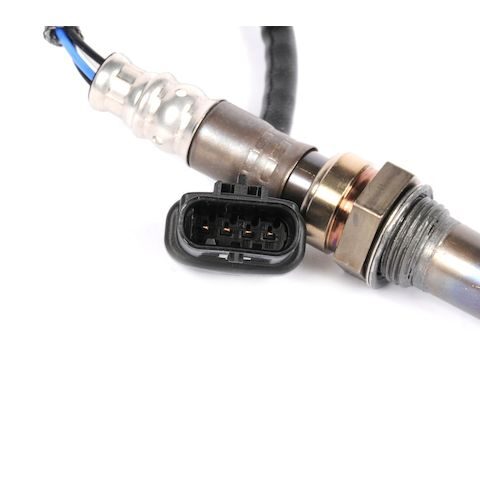
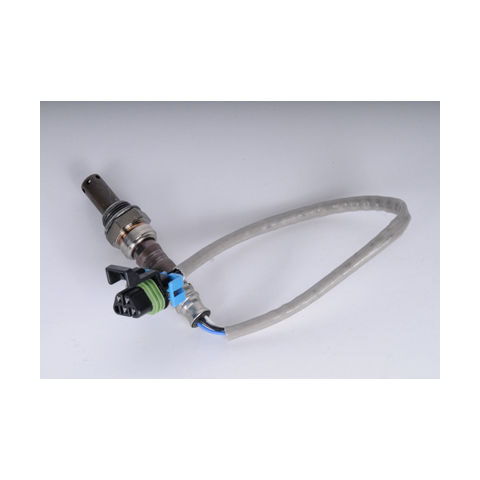
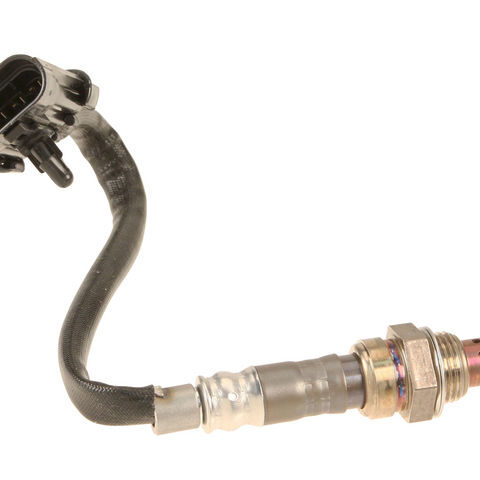
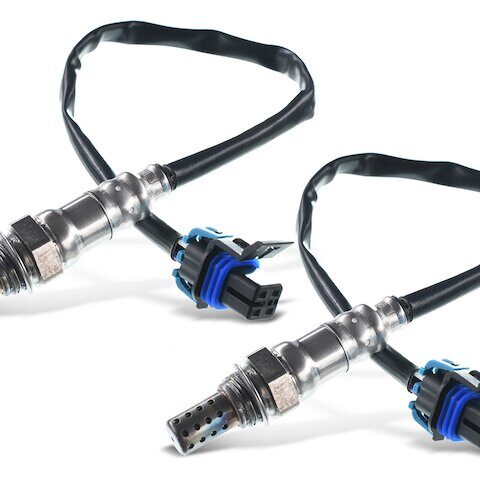
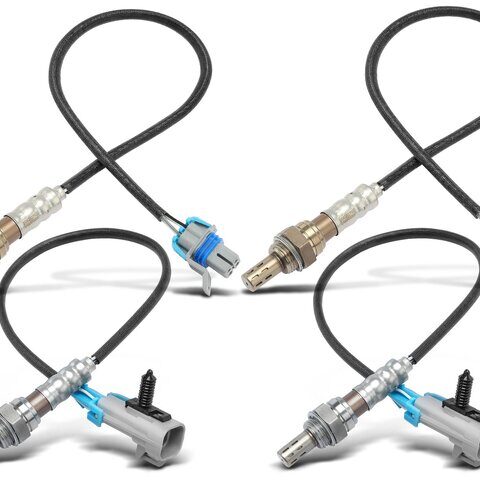
Autopart Premium Upstream & Downstream Oxygen Sensor Kit APOS0870 for Chevrolet Silverado 1500
Fits 2008–2009 models
Autopart Premium Upstream & Downstream Oxygen Sensor Kit APOS0870 for Chevrolet Tahoe
Fits 2008–2011 models
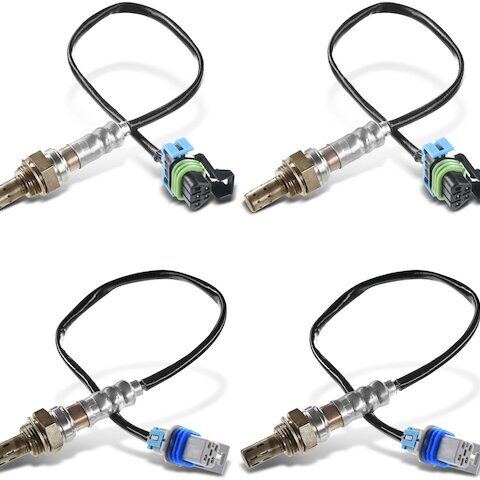
Autopart Premium Upstream & Downstream Oxygen Sensor Kit APOS0874
Fits 2010–2013 models
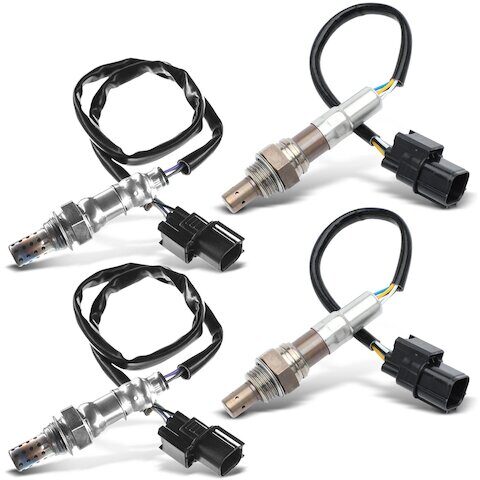
Autopart Premium Upstream & Downstream Oxygen Sensor Kit APOS0902
Fits 2009–2013 models
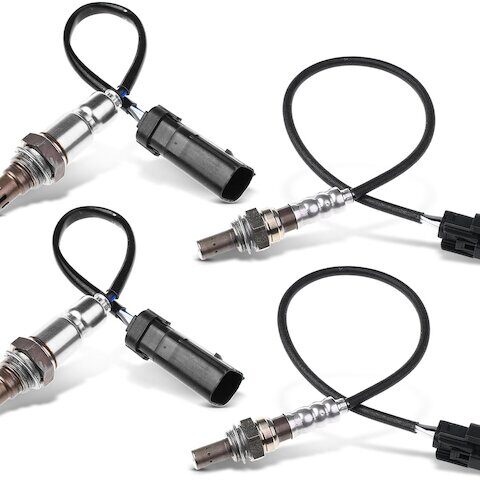
Autopart Premium Upstream & Downstream Oxygen Sensor Kit APOS0921
Fits 2013–2015 models
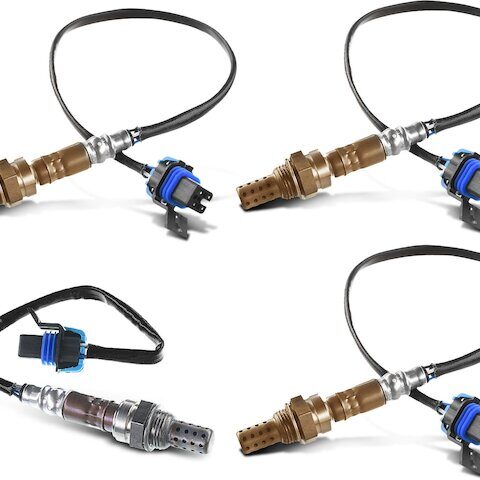
Autopart Premium Upstream & Downstream Oxygen Sensor Kit APOS0975
Fits 2000–2002 models
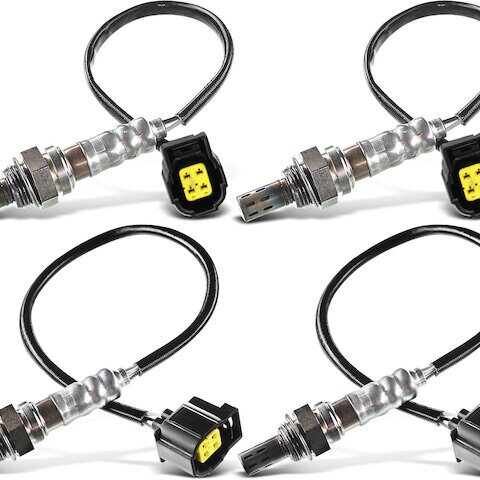
Autopart Premium Upstream & Downstream Oxygen Sensor Kit APOS0990
Fits 2012–2017 models
Upstream and downstream sensors
Upstream sensors sit before the catalytic converter. The engine computer uses them to adjust fuel delivery many times per second. Downstream sensors sit after the converter and mainly check whether the converter is doing its job.
V6 and V8 engines have a sensor for each bank, so an engine can have four or more. Listings show position, such as upstream, downstream or upstream left, so you can match the exact location that failed.
Signs of a failing oxygen sensor
The most common sign is a check engine light with an oxygen sensor or heater circuit code. Other signs include lower fuel economy, rough idle, hesitation and a failed emissions test. A slow or dead upstream sensor can make the engine run rich.
An exhaust leak ahead of the sensor, a vacuum leak or a misfire can also trigger sensor codes, so read the codes and check those causes before replacing a sensor.
Choosing and installing
Match the position and the connector. Some sensors here use 4 pin plugs and others use 5 pins, and harness length differs between upstream and downstream units. Sets cover several positions at once, which suits higher mileage engines.
Many new sensors come with anti-seize already on the threads. If yours does not, use sensor-safe anti-seize and keep it off the tip. An oxygen sensor socket makes removal easier. Let the exhaust cool enough to touch safely before you start.
Oxygen Sensor questions
How many oxygen sensors does my car have?
Most four cylinder engines have two, one before and one after the catalytic converter. Most V6 and V8 engines have four, two per bank. Some vehicles have more. The fitment table and your code readout show which position you need.
Should I replace oxygen sensors in pairs?
It is not required. Many owners replace only the failed sensor. On high mileage engines, replacing both upstream sensors together can make sense since they have aged the same amount, and sets here make that simple.
What is the difference between bank 1 and bank 2?
On V engines, bank 1 is the side of the engine with cylinder number one, and bank 2 is the opposite side. Sensor 1 is upstream and sensor 2 is downstream. Your service information shows which side is bank 1.